
In every commercial energy project there is a moment when someone asks the same question:
“Should we install PV? Or a heat pump?”
It sounds like the right question. But it is fundamentally misguided.
Hotels, hospitals, residential complexes, worker camps, laundries, campuses—they do not consume electricity as their final purpose. They consume comfort, water temperature, sterilization, showers, pools, meals, staff facilities. The core output is heat.
When you treat a building as an electrical appliance, PV works.
When you treat it as a real environment, PV alone collapses.
This is why, in every serious project we design, the conversation eventually returns to one simple principle: Real buildings need hybrid solar systems. Not single-source solutions.
Section 1: PV — A Powerful Technology Misapplied to Heating
Photovoltaics are brilliant at what they do:
- Convert light to electricity
- Feed the grid or power equipment
- Scale vertically with capital
But PV has two structural weaknesses:
No Thermal Output
Nothing usable for hot water without conversion
Temperature Kills Performance
Hotter = Lower efficiency
Efficiency Loss
+1°C above 25°C = −0.3~0.5% efficiency
Everyone in the industry knows the chart:
- On a 55°C rooftop: −9% to −15%
- On a 70°C surface: −15% to −25%
- Summer in Dubai or Athens? Panel touches 80–90°C
PV “efficiency” becomes a paper value.
“The panels worked perfectly until the guests arrived.”
Not because the PV failed. Because the building needed heat, not electrons.
Section 2: Heat Pump — A Wonderful Machine with a Weak Heart
Heat pumps are one of the best engineering inventions of the last 30 years. COP 3–4 is nothing short of elegant.
But heat pumps live and die by one condition: Source temperature.
When input water is 8–15°C in winter:
- The compressor pulls harder
- Runtime increases
- COP collapses
What was “COP 4.2” on a brochure becomes:
2.6 → 2.1 → 1.8…
Hotel in Malaysia — Rainy Season
Inlet water 23–25°C dropped to 19–20°C
Heat pump runtime doubled
Energy bill went up, not down
No system fault. Just physics.
A heat pump is a multiplier. When the inlet temperature is 35–40°C from preheat? It becomes a different animal.
PVT: The Only System That Respects How Buildings Consume Energy
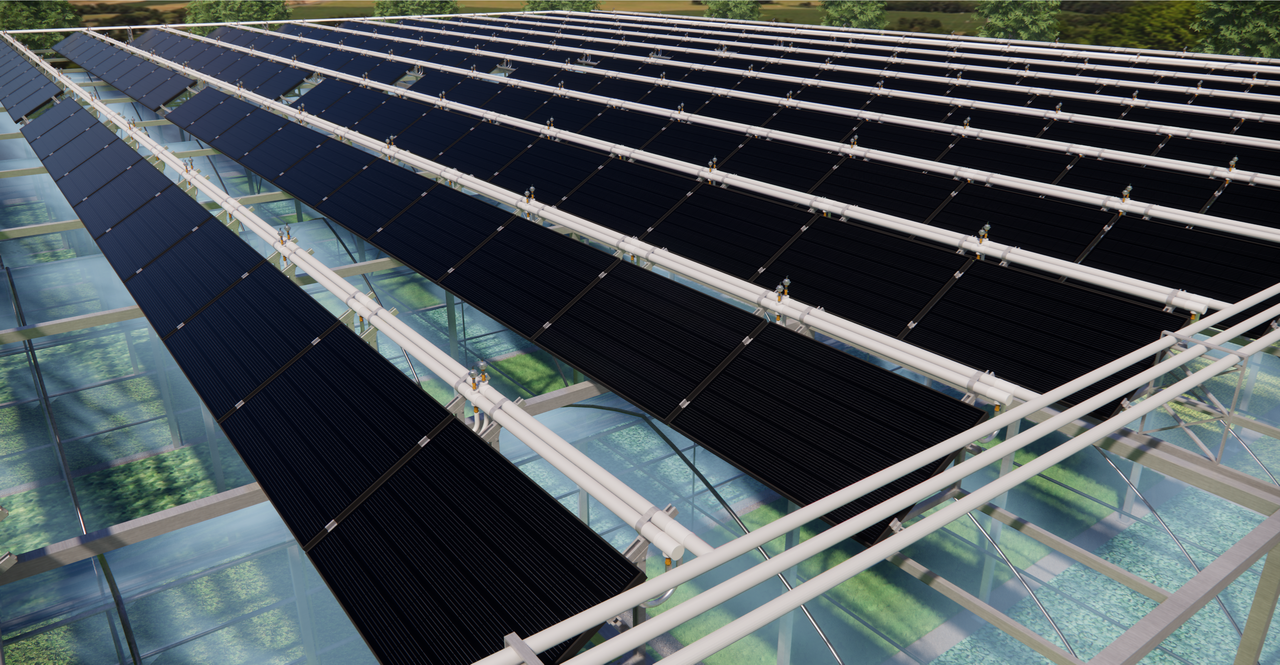
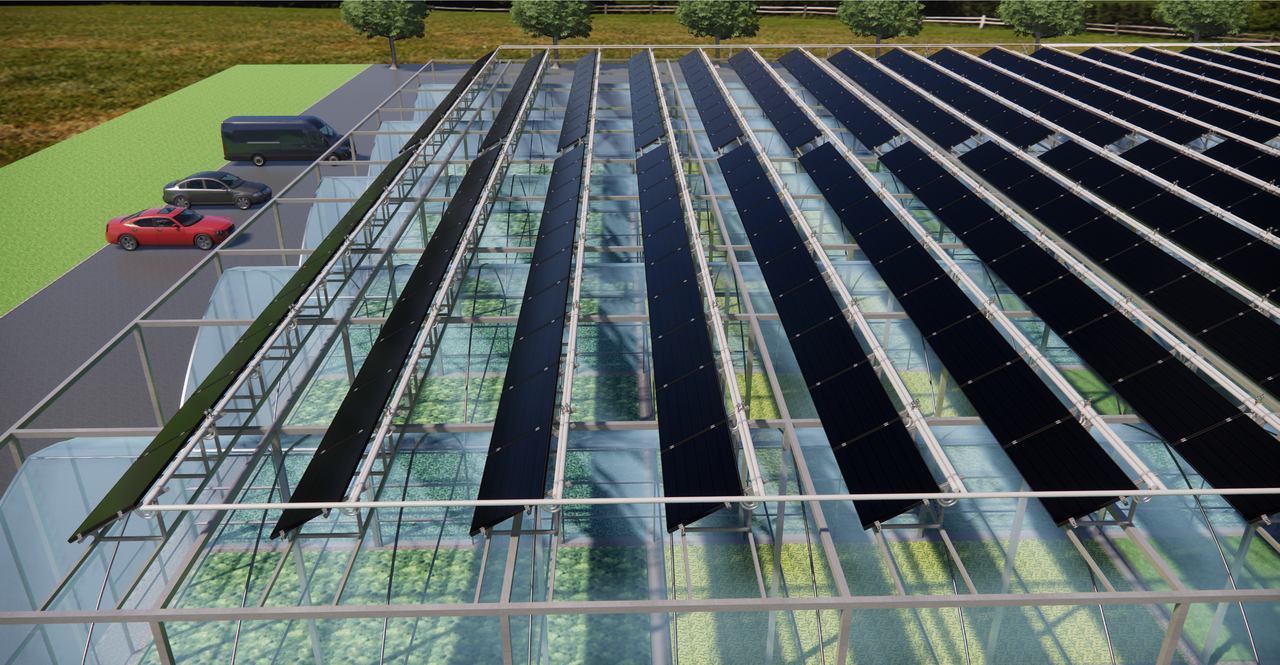
Hybrid PVT panels do something deceptively simple:
They produce electricity and heat at the same time, from the same square meter.
They do not “add pipes” to PV. They extract thermal burden from the PV layer—bringing cell temperature down, and capturing the heat into a working fluid.
| Technology | Strengths | Weaknesses |
|---|---|---|
| PV | Makes electricity Cannot direct heat |
Suffers from high surface temperatures |
| Heat Pump | Makes heat Hates cold inlet temperature |
Very sensitive to operating cycles |
| PVT | Improves PV electrical performance Generates hot water continuously |
Stabilizes heat pump input |
PVT is not “better.” It is the missing piece.
The Real Economics
Let’s be brutally honest about ROI:
PV
Great where: Net-metering exists, roof space abundant, stable electricity price, low water heating demand
Terrible where: DHW demand constant, net-metering gone, CAPEX to kWh revenue capped
Heat Pump
Great when: Input water > 25°C, load moderate, cycles steady
Falls apart when: Inlet < 15–18°C, rapid peak demand, daily start–stop cycles
PVT
Great when: Any building needs heat, roof space scarce, irradiation high, backup costs painful
It is the only one whose benefit increases with demand.
Real Hotel Case Study — 110 Rooms
Daily laundry + SPA. Heat pump installed two years prior. Energy bill acceptable in winter, catastrophic in summer.
They added PV to offset it. It helped… on paper.
Peak season reality:
- PV running at 72–78°C surface
- Heat pump cycling continuously at 2.3–2.7 COP
- Guests taking 3800–4200 L DHW each morning
“Why are you heating from 20°C?”
A simple 40 m² hybrid PVT array:
- Stabilized PV at 48–54°C surface
- Preheated inlet water to 32–38°C
- Reduced compressor cycles by 35–45%
- Increased usable energy per m² by > 2×
No magic. Just alignment with reality.
Hybrid Solar Architecture — How Real Buildings Should Work
PVT → Buffer Tank → Heat Pump → Boiler
- PVT provides base thermal recovery
- Tank provides stability + stratification
- Heat pump lifts to final temperature
- Boiler covers the 2–8% emergencies
Everything is predictable. Nothing is stressed.
Energy stops being improvisation. It becomes routine.
PV is for electrons. Heat pumps are multipliers.
PVT turns sunlight into usable heat and protects your electrical yield.
Real buildings need all three.
But only one sits at the front of the chain.
Design Your Mixed Solar System
Tell Soletks Solar: Building type, daily hot water demand (L/day), desired setpoint temperature (°C), energy source now, country/city
We will return: PVT area, electrical retention estimate, thermal coverage range, heat pump integration, realistic ROI bands
Soletks Solar — Hybrid solar systems designed for how real buildings actually live, breathe, and consume energy.