Let's Connect
We're here to answer your questions and help you achieve your goals

Residential solar water heaters have become increasingly popular as homeowners seek sustainable and cost-effective solutions for their hot water needs. However, many users have questions about proper installation, safe operation, routine maintenance, and effective cleaning procedures.
Whether you're considering installing a residential solar water heater or already own one, understanding these critical aspects ensures optimal performance, longevity, and safety. This comprehensive guide addresses the most common questions and concerns about residential solar water heating systems.
Why This Guide Matters:
Proper installation, maintenance, and operation can extend your system's lifespan from 15-20 years to 25-30+ years while maintaining peak efficiency and safety.
Shandong Soletks Solar Technology Co., Ltd., with extensive experience in solar thermal solutions, has compiled this practical resource to help homeowners get the most from their solar water heating investment.
The foundation of a reliable residential solar water heating system begins with proper installation. This critical first step determines the system's long-term performance, safety, and durability.
| Component | Installation Consideration | Why It Matters |
|---|---|---|
| Solar Collectors | Structural support rated for 150% of system weight | Prevents collapse under snow/wind loads |
| Mounting Frame | Corrosion-resistant materials (stainless steel/aluminum) | Ensures long-term stability |
| Roof Attachment | Penetrations properly sealed and flashed | Prevents water leakage into building |
| Piping Connections | Secure mounting with expansion allowances | Accommodates thermal expansion/contraction |
| Storage Tank | Level installation on reinforced platform | Prevents stress on connections |
A properly installed solar water heater must withstand various environmental stresses:
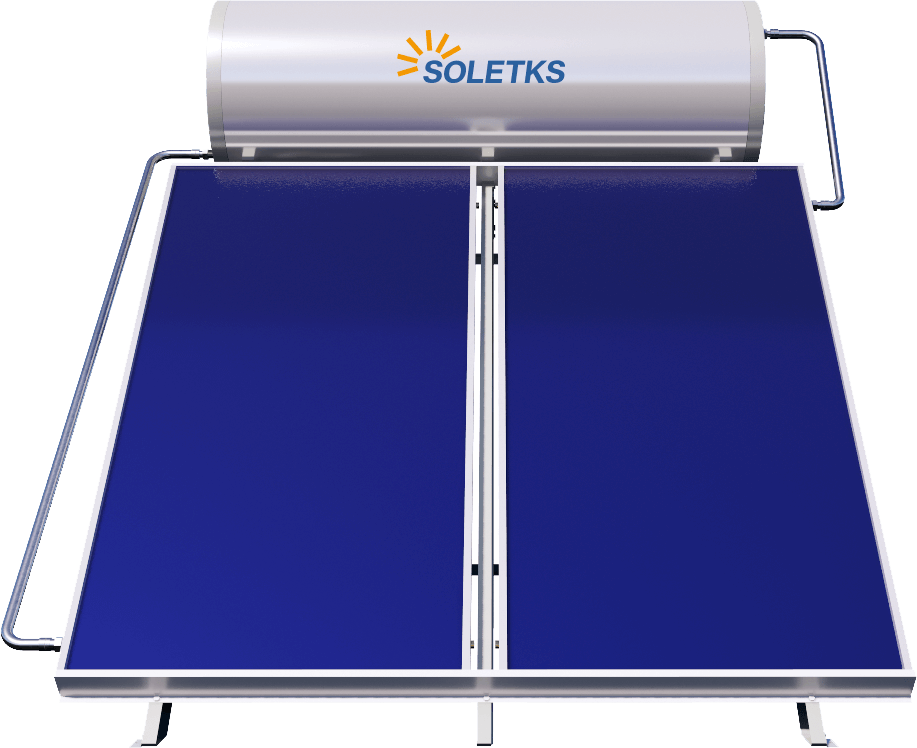
Professional installation ensures optimal performance and safety
While some homeowners consider DIY installation, professional installation offers significant advantages:
Warning: Improper installation can lead to water damage, system failure, voided warranties, and potential safety hazards. The investment in professional installation pays dividends through reliable, long-term performance.
Modern residential solar water heaters incorporate multiple safety and convenience features that enhance user experience and protect the system.
Real-time tank level indicators prevent overflow, low-level alerts protect heating elements from dry firing, and automatic shutoff when tank reaches capacity.
Temperature sensor malfunction alerts, pressure anomaly warnings, circulation pump failure notifications, and leak detection in critical areas.
Programmable fill schedules optimize solar gain, automatic top-up maintains desired water levels, manual override for user control.
Ensures hot water availability during extended cloudy periods with thermostat-controlled activation and energy-efficient operation.
Modern solar hot water systems feature intelligent controllers that:
Quality residential solar water heaters meet or exceed international safety standards:
Pressure relief valves rated for maximum system pressure, temperature and pressure (T&P) relief valves, backflow prevention devices, ground fault circuit interrupter (GFCI) protection for electrical components, and certified materials for potable water contact.
One of the most overlooked safety concerns with solar water heaters is the risk of scalding from extremely hot water, particularly during summer months.
Critical Safety Information:
Solar water heaters can produce water temperatures exceeding 90°C (194°F) during peak summer conditions. This presents a serious burn hazard:
When you first open a hot water tap connected to a solar water heater, the initial water flow comes from the pipeline between the storage tank and the fixture. This water has cooled to ambient temperature. However, once this cooler water is exhausted, extremely hot water from the solar storage tank suddenly flows through, creating a scalding hazard.
| Prevention Method | How It Works | Effectiveness | Cost |
|---|---|---|---|
| Thermostatic Mixing Valve | Blends hot and cold water to safe temperature | Excellent | Moderate |
| Temperature Limiting Device | Prevents tank temperature from exceeding set point | Very Good | Low |
| User Education | Teaches safe operation procedures | Good | None |
| Tempering Tank | Intermediate storage at lower temperature | Excellent | High |
For families with young children or elderly members: Consider our solar water heaters with integrated safety features designed specifically for residential applications.
Systematic inspection and maintenance ensure optimal performance, extend system lifespan, and prevent costly repairs.
| Service Component | What's Checked | Why It Matters |
|---|---|---|
| Heat Transfer Fluid | Concentration, pH, condition | Prevents freezing and corrosion |
| Collector Integrity | Vacuum quality, absorber condition | Maintains efficiency |
| Tank Condition | Anode rod, internal corrosion | Extends tank lifespan |
| Circulation System | Pump operation, flow rates | Ensures proper heat transfer |
| Safety Devices | Relief valves, sensors | Protects system and users |
| Electrical Components | Connections, heating elements | Prevents failures |
Understanding typical component lifespans helps plan maintenance budgets:
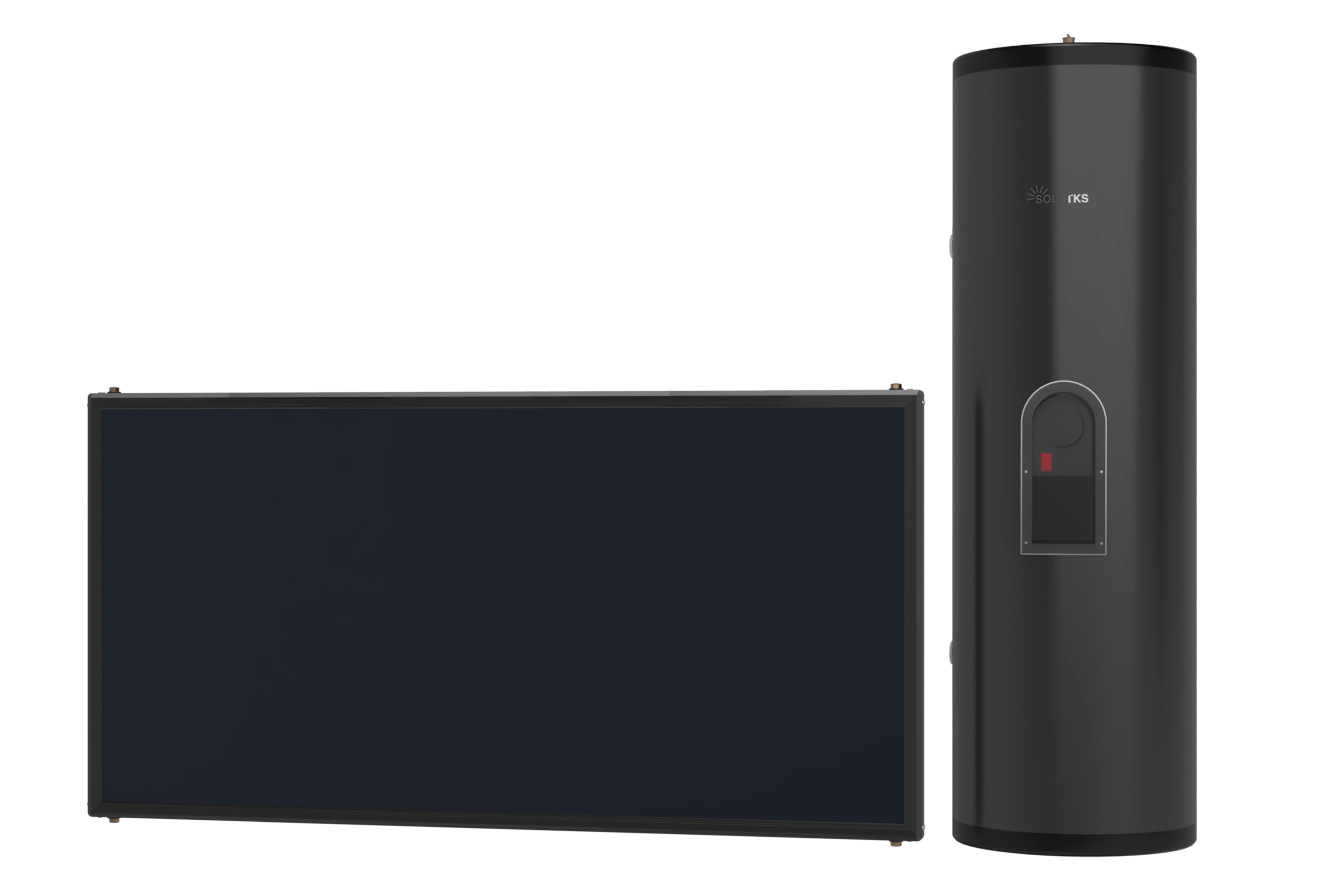
Understanding system components helps with maintenance planning
Maintain detailed records of all inspections, maintenance, and repairs:
This documentation proves valuable for warranty claims, troubleshooting, and when selling your property.
Solar water heaters installed on rooftops are exposed to lightning strikes and severe weather conditions, requiring appropriate protective measures.
Rooftop solar installations face elevated lightning risk because they:
| Weather Condition | Recommended Action | Reason |
|---|---|---|
| Thunderstorm Approaching | Avoid using hot water | Reduces risk of electrical shock through plumbing |
| Active Lightning | Do not touch system components | Metal components may conduct electricity |
| High Winds (>80 km/h) | Monitor system for damage | Prevents injury from falling components |
| Hail Forecast | No action needed | Quality collectors withstand typical hail |
| Heavy Snow | Monitor for excessive accumulation | Prevents structural overload |
After severe weather events, conduct thorough inspection:
Insurance Considerations: Ensure your homeowner's insurance policy adequately covers your solar water heating system. Verify coverage includes solar equipment, understand deductibles for weather-related damage, and document system value with receipts and photographs.
For installations in lightning-prone areas, our solar hot water systems designed for extreme weather incorporate enhanced protection features.
The interior surfaces of solar water heater tanks can harbor bacterial growth, including potentially harmful organisms, if not properly maintained.
Water temperatures between 20°C and 50°C (68°F-122°F) create ideal conditions for bacterial proliferation, including:
Exposure to bacteria-contaminated water can cause:
| Water Hardness | Usage Level | Recommended Cleaning Frequency |
|---|---|---|
| Soft Water | Light | Every 2-3 years |
| Soft Water | Heavy | Every 1-2 years |
| Hard Water | Light | Every 1-2 years |
| Hard Water | Heavy | Annually |
Regular cleaning not only addresses bacterial concerns but also removes scale deposits that reduce efficiency and damage components.
Scale accumulation—mineral deposits from hard water—represents one of the most common maintenance challenges for residential solar water heaters.
Hard water contains dissolved minerals, primarily calcium and magnesium carbonates. When water is heated, these minerals precipitate out of solution and form solid deposits on tank walls, heating elements, and heat exchangers.
| Scale Thickness | Efficiency Loss | Energy Waste | Component Damage Risk |
|---|---|---|---|
| 1-2 mm | 5-10% | Low | Minimal |
| 3-5 mm | 15-25% | Moderate | Moderate |
| 6-10 mm | 30-40% | High | High |
| >10 mm | 50%+ | Very High | Severe |
For homeowners comfortable with basic maintenance:
For systems with severe scale problems, consider upgrading to our enamel-lined storage tanks that resist scale adhesion.
Solar collectors must remain clean to maintain optimal efficiency. Dust, pollen, bird droppings, and other contaminants reduce solar absorption and system performance.
| Contamination Level | Efficiency Reduction | Annual Energy Loss |
|---|---|---|
| Light Dust | 2-5% | Minimal |
| Moderate Dirt | 8-15% | Moderate |
| Heavy Soiling | 20-30% | Significant |
| Bird Droppings/Debris | 30-50% locally | High |
Clean solar collectors when water temperature and water level are low to minimize safety risks and water waste:
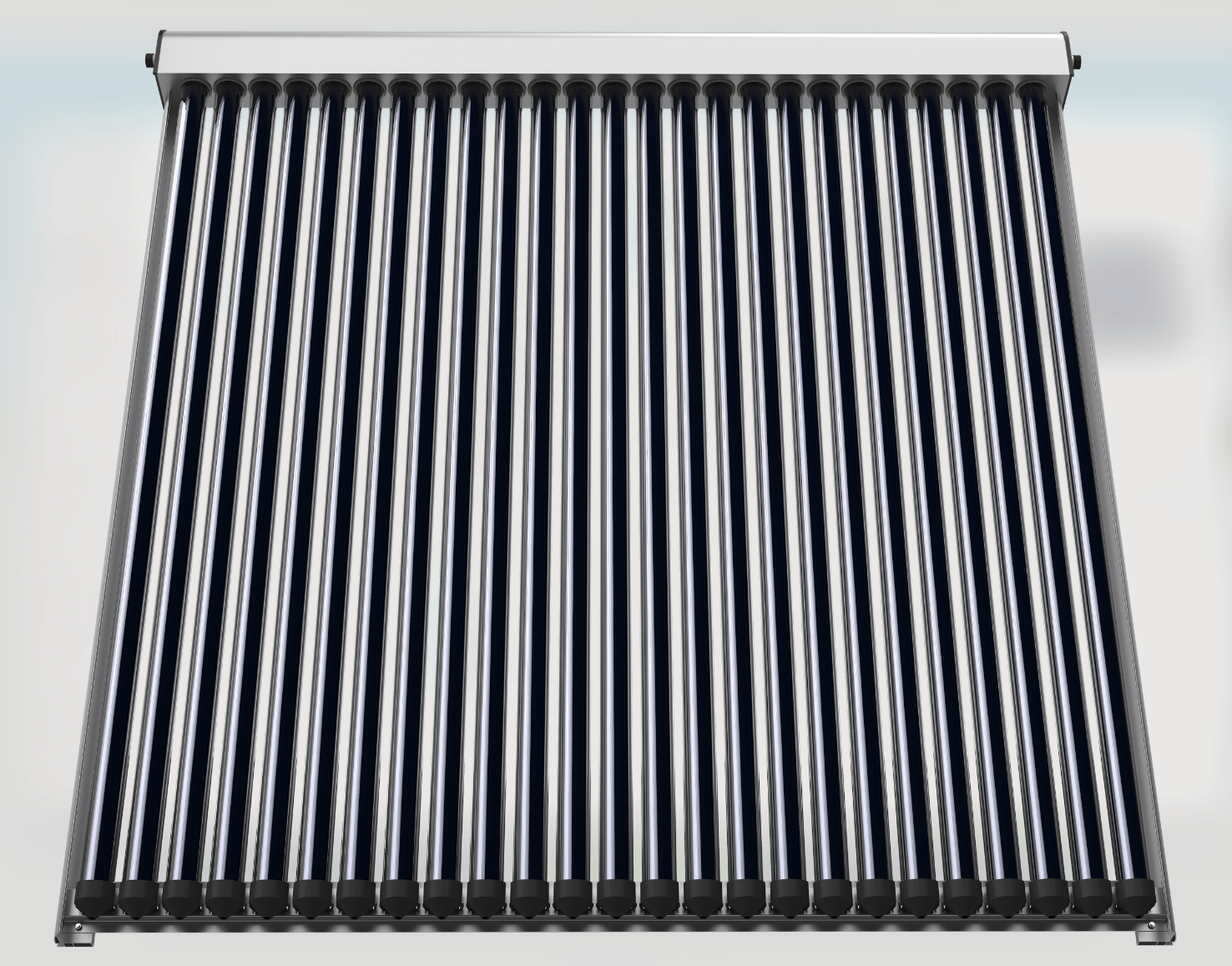
Regular collector cleaning maintains optimal system efficiency
| Solution Type | Application | Advantages | Precautions |
|---|---|---|---|
| Plain Water | Light dust | No residue, safe | May not remove all contaminants |
| Mild Dish Soap | General cleaning | Effective, inexpensive | Must rinse thoroughly |
| Window Cleaner | Glazing surfaces | Streak-free finish | Avoid ammonia-based products |
| Specialized Solar Cleaner | Heavy soiling | Formulated for solar panels | Higher cost |
Never use these methods or materials:
For multi-story installations or extensive arrays, professional cleaning services offer:
Our evacuated tube solar collectors are designed for easy maintenance, with individual tubes that can be replaced without draining the entire system.
Understanding common issues and their solutions helps maintain optimal system performance.
Causes: Dirty collectors, undersized system, malfunctioning pump, scale buildup
Solutions: Clean collectors, check pump operation, descale tank, verify controller settings
Locations: Pipe connections, drain valve, relief valve, collector seals
Solutions: Tighten connections, replace gaskets, install new valves, seal minor leaks
Prevention: Install drainback systems, use proper glycol concentration, insulate piping
Recovery: Inspect for damage, replace cracked components, improve freeze protection
Indicators: Steam from relief valve, excessively hot water, boiling sounds
Solutions: Install heat dump radiator, cover collectors during vacations, upgrade controls
Symptoms: Cool collectors despite sun, hot collectors but cool tank
Solutions: Bleed air from system, replace pump, flush blockages, redesign piping
| Metric | How to Measure | Target Range | Action if Outside Range |
|---|---|---|---|
| Collector Temperature | Temperature sensor | 40-80°C during operation | Check circulation, clean collectors |
| Tank Temperature | Tank sensor | 50-70°C | Adjust backup heating, check solar gain |
| Temperature Differential | Collector minus tank | 5-10°C when pump runs | Verify pump operation, check flow rate |
| Solar Fraction | Solar energy / total demand | 60-80% annually | Optimize system, increase capacity |
Our complete solar hot water systems are designed for easy integration with various building systems to maximize overall energy efficiency.
Indicators That Upgrade May Be Beneficial:
| Upgrade Type | Typical Cost | Annual Savings | Payback Period | Additional Benefits |
|---|---|---|---|---|
| Add Collectors | $800-1,500 | $100-200 | 5-10 years | Increased capacity |
| Larger Tank | $600-1,200 | $50-100 | 8-15 years | Better solar utilization |
| Smart Controller | $300-600 | $50-100 | 4-8 years | Convenience, monitoring |
| Evacuated Tubes | $1,500-3,000 | $150-300 | 6-12 years | Higher efficiency |
Proper maintenance doesn't just protect your investment—it maximizes environmental benefits:
When components eventually reach end-of-life, recyclable materials include:
Proper Disposal: Heat transfer fluids must be disposed of properly, and evacuated tubes contain small amounts of barium. Follow local regulations for all materials.
Residential solar water heaters represent a significant investment in sustainable living and long-term energy savings. Understanding proper installation, safe operation, regular maintenance, and effective cleaning ensures you realize the full benefits of your system.
Proper installation by qualified professionals ensures safety, performance, and longevity
Understand scalding risks, lightning protection, and safe operating procedures
Follow systematic inspection and maintenance schedules to prevent problems
Keep collectors clean and remove scale regularly to maintain efficiency
Don't hesitate to call professionals for complex maintenance or repairs
Track system performance to identify issues early
Whether you're considering a new installation or maintaining an existing system, Shandong Soletks Solar Technology Co., Ltd. offers comprehensive solutions:
We hope this guide has answered your questions about residential solar water heaters. While we may not have addressed every possible concern, we've covered the most important aspects of installation, operation, maintenance, and cleaning.
Contact us today for personalized advice on selecting, installing, or maintaining your residential solar water heating system. Our experienced team is ready to help you maximize the benefits of solar water heating for your home.
Contact Soletks Solar TodayShandong Soletks Solar Technology Co., Ltd. — Your trusted partner in sustainable solar water heating solutions