
A solar water heater system uses solar collectors to convert sunlight into heat and store that heat in a water tank for domestic, commercial, or industrial use. A complete system is more than a collector — it includes storage, circulation, control logic, safety components, freeze protection, and backup heating. The best projects are designed from hot water load, target temperature, climate, roof area, storage capacity, and usage schedule.
What Is a Solar Water Heater System?
A solar water heater system collects solar radiation and transfers the heat to water. It can serve as a standalone hot water solution in sunny climates, or as part of a hybrid system with electric heating, gas boilers, heat pumps, or other backup sources.
The main goal is to preheat or fully heat water with solar energy before conventional energy is used, reducing operating cost and supporting renewable energy targets.
Typical applications include:
- Domestic and guest room hot water
- Dormitory shower systems
- Hospital and school hot water
- Laundry and kitchen preheating
- Swimming pool heating
- Factory washing and process water
- Agricultural cleaning or drying support
Core Components
| مكون | Purpose | Selection Notes |
|---|---|---|
| Solar collector | Captures solar heat | Evacuated tube, flat plate, or project-specific collector |
| خزان التخزين | Stores thermal energy | Sized by daily demand and peak usage |
| المتحكم | Manages pumps and temperature logic | Should support sensors and safety modes |
| Circulation pump | Moves water or heat transfer fluid | Flow rate must match collector loop |
| Heat exchanger | Separates collector loop from potable water | Important for antifreeze and closed-loop systems |
| خزان التمدد | Handles pressure changes | Required in pressurized closed loops |
| Backup heater | Ensures hot water during low solar periods | Electric, gas, boiler, or heat pump |
| Valves and sensors | Safety and monitoring | Includes check valves, relief valves, temperature sensors |
| Insulated piping | Transfers heat with low loss | Pipe route and insulation quality matter |
Design Warning
Many poor solar hot water projects fail not because the collector is bad, but because tank size, control logic, or backup integration is wrong. Always design the full system, not just the collector.
Main Types of Solar Water Heater Systems
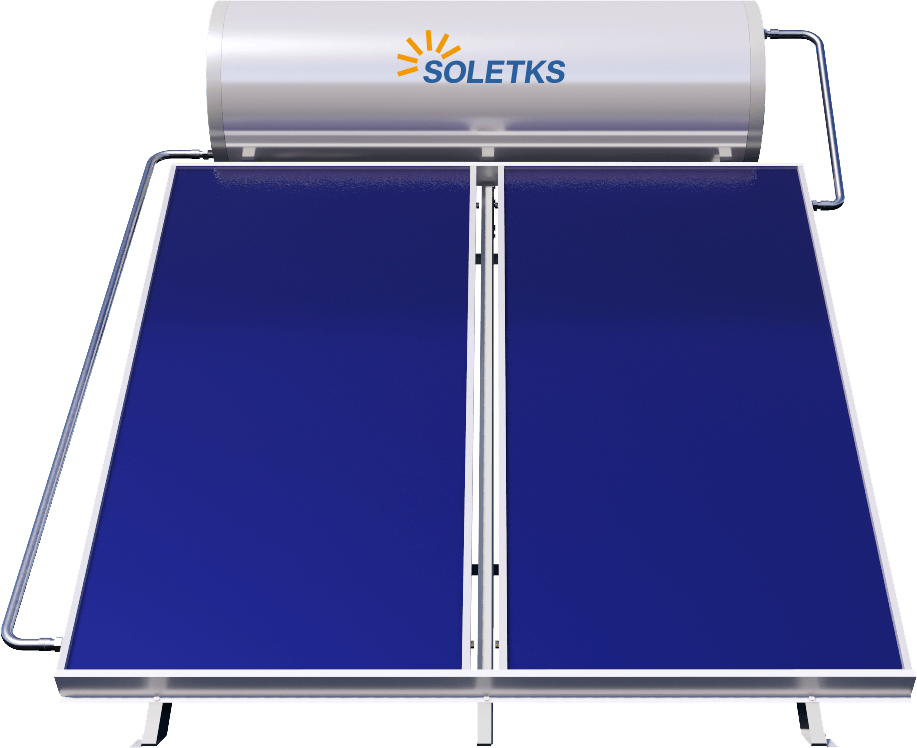
Compact Solar Water Heater
Combines collector and tank in one roof-mounted unit.
Best for:
- Small homes and warm climates
- Simple, low-cost installation
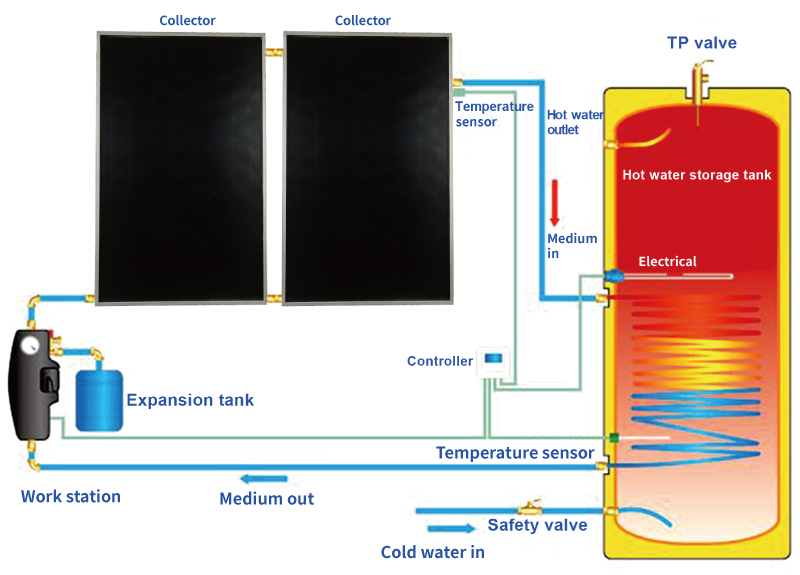
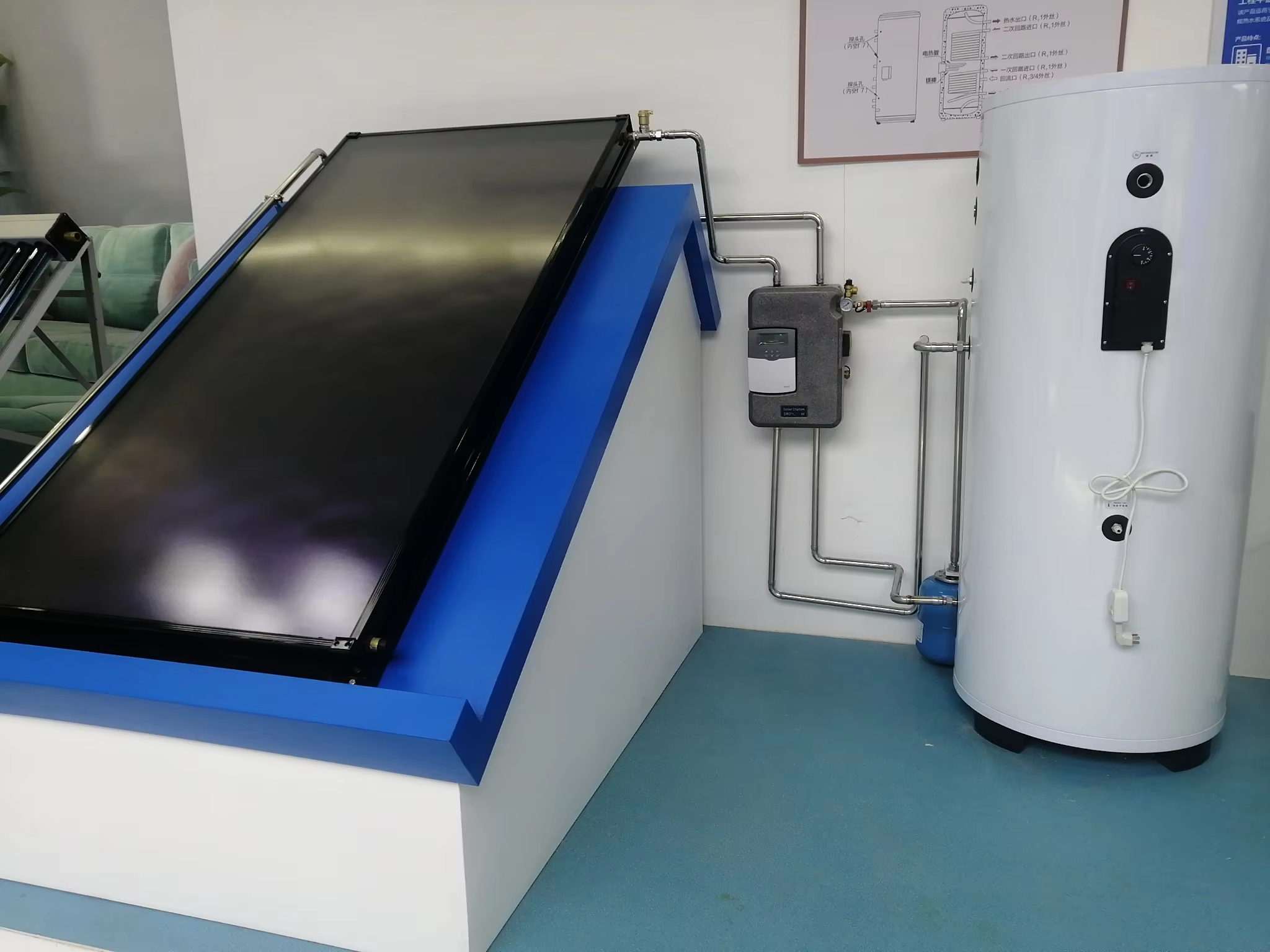
سخان المياه الشمسي المنفصل
Collector on roof, tank in utility room or machine room.
Best for:
- Villas, hotels, apartments
- Cold climates, pressurized systems
Direct Circulation
Potable water circulates through the collector directly.
Best for:
- Warm regions with low freeze risk
- Simple residential hot water
Indirect / Closed-Loop
Heat transfer fluid in collector loop; heat exchanger separates from potable water.
Best for:
- Cold climates with freeze risk
- Commercial pressurized systems
Collector Selection
Solar water heater performance depends heavily on the collector type chosen for the project.
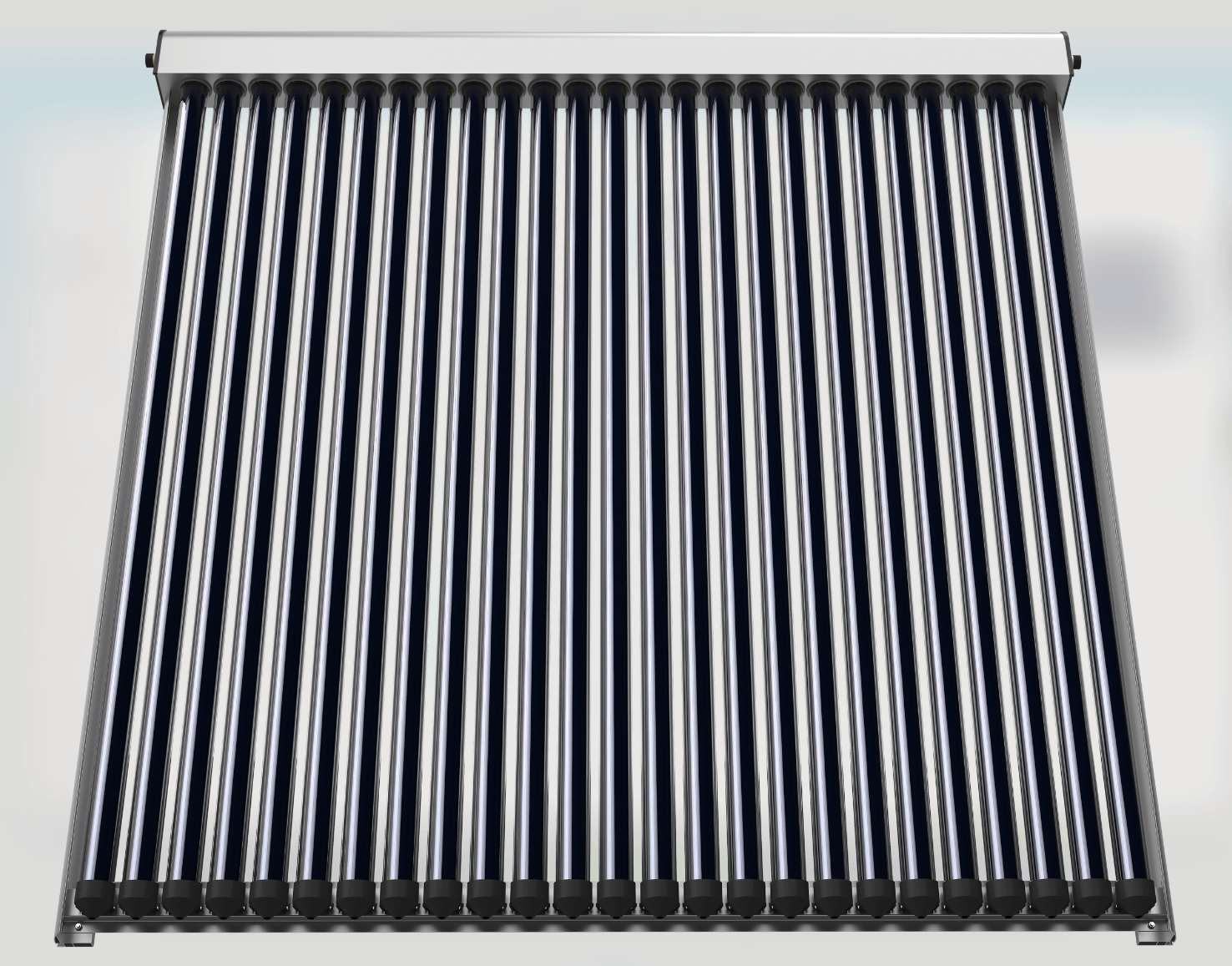
مجمّع الأنابيب المفرغة
Evacuated tube collectors use vacuum insulation to reduce heat loss. They are often selected for colder climates, higher thermal demand, and commercial hot water projects where consistent output across seasons matters.
مجمع الألواح المسطحة
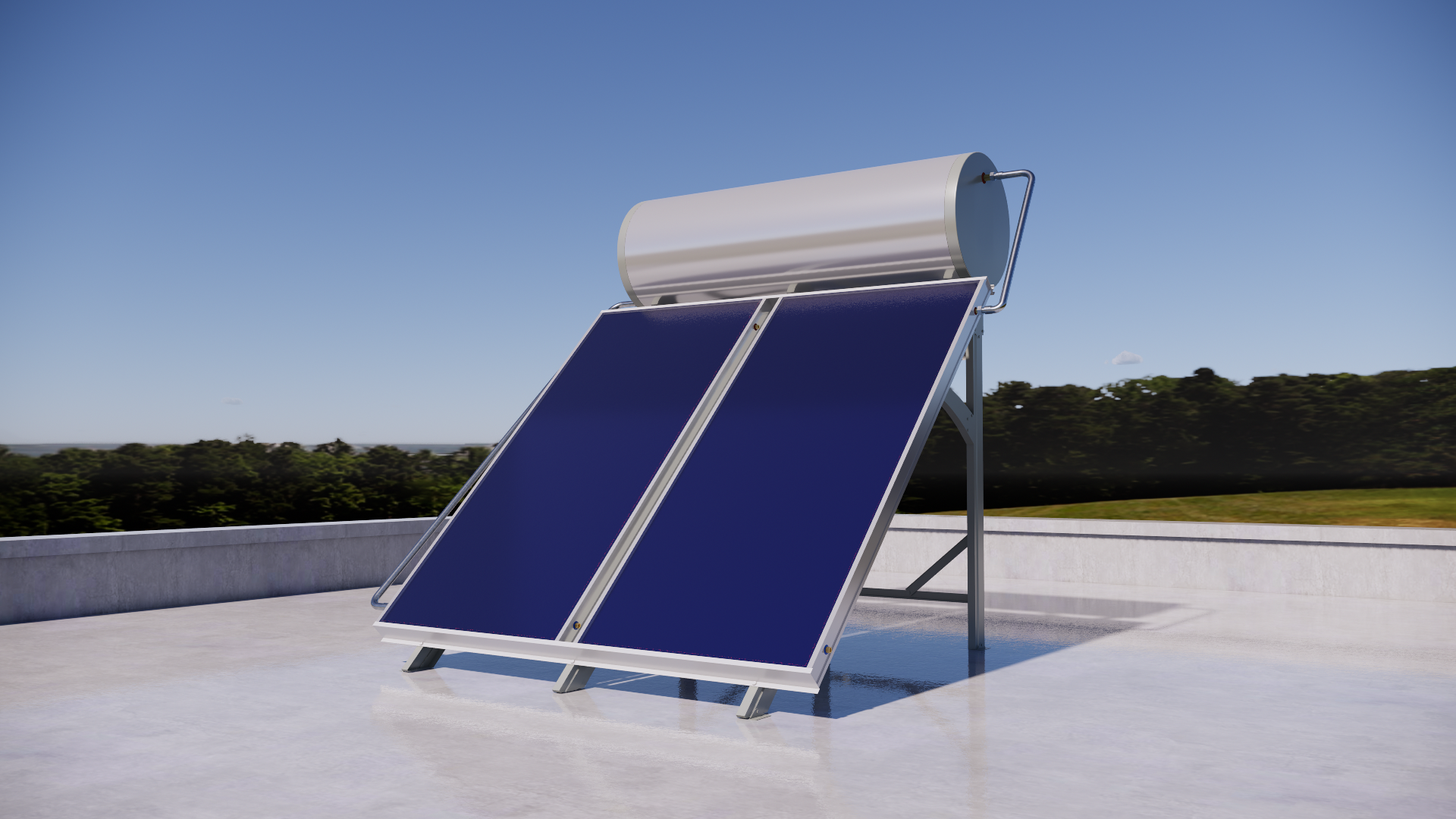
Flat plate collectors use an insulated box with an absorber plate and glass cover. They are durable, visually clean, and suitable for warm climates, moderate temperature hot water, and pool heating.
PVT Collector or Hybrid Solar Panel
PVT systems produce electricity and heat from the same roof surface. They are useful when a project needs both solar power and hot water, or when the system includes a heat pump source loop.
Sizing Formula for Hot Water Demand
The first sizing step is to estimate daily hot water energy. Begin with demand, not with collector count.
Heat demand (kWh/day) = Volume (L/day) × Temperature rise (°C) × 4.186 ÷ 3600
Example — 80-Room Hotel
- 80 hotel rooms × 70 L/room/day = 5,600 L/day
- Cold water temperature: 15 °C
- Target temperature: 55 °C → rise = 40 °C
5,600 × 40 × 4.186 ÷ 3600 ≈ 260 kWh/day
This is the useful heating energy only. A real design must also add storage losses, pipe losses, heat exchanger losses, peak demand margin, and backup heating margin.
Storage Tank Design
The storage tank is the heart of a solar water heater system. A collector can only deliver value if the system can store and use the heat effectively.
| الحالة | مشكلة | Result |
|---|---|---|
| Tank too small | Reaches high temperature early | Overheating, wasted solar potential |
| Tank too large | Temperature rises slowly | User expectations not met |
| Correct sizing | Matches daily demand and peak usage | Stable supply, maximum solar fraction |
Commercial Tank Strategy
For commercial projects, tanks may be divided into separate functional units:
- Solar preheating tank
- Main hot water storage tank
- Backup heating tank
- Buffer tank for heat pump integration
This separation improves control and helps ensure stable supply during peak usage periods.
الجزء الشمسي
Solar fraction is the percentage of the total hot water energy supplied by solar energy over a period, usually annually. A system does not always need to cover 100% of demand.
In many commercial projects, a moderate solar fraction is more economical because it avoids oversizing collectors and tanks for rare peak conditions.
- What percentage of annual hot water energy should solar cover?
- Should the system prioritize winter performance or annual payback?
- Is there enough roof area for the desired solar fraction?
- Will excess summer heat be used or wasted?
Backup Heating Strategy
A reliable solar water heater system almost always includes backup heating. Solar energy is variable, while hot water demand is often non-negotiable.
Common backup options:
- Electric heater
- Gas boiler
- Heat pump (most energy-efficient option)
- Biomass boiler
- District heating or existing building boiler
Design Rule
The backup system should not compete with the solar system. Control logic must prioritize solar preheating first, then backup heating completes the final temperature only when necessary.
حماية من التجمد
Freeze protection is critical in cold climates. The correct method depends on local minimum temperature, system pressure, collector type, and maintenance capability.
- Closed-loop antifreeze fluid (glycol)
- Heat exchanger separation between collector and potable water
- Drainback design — water drains from collector when pump stops
- Pipe insulation along exposed runs
- Controller-based freeze protection mode
- Indoor tank placement
- Proper pipe slope and drainage
Water Quality and Scaling
Hard water can cause scaling in collectors, heat exchangers, and tanks. Scaling reduces heat transfer and can shorten system life. Water quality should be checked before final system design, especially for commercial projects.
Design responses include indirect heat exchange, water softening, regular flushing, scale-resistant heat exchanger selection, and temperature control to reduce mineral precipitation.
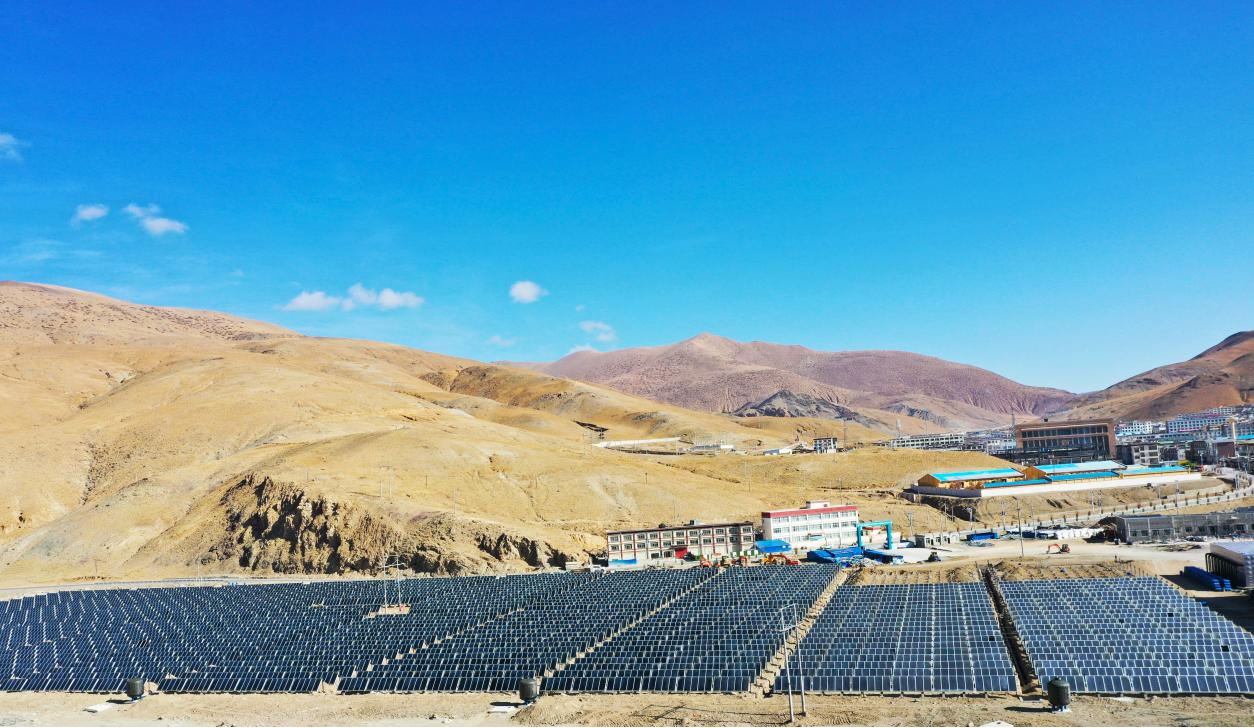
Commercial Solar Water Heater Design

فندق
Hotels often have morning and evening hot water peaks. Storage volume and backup recovery rate are the most important design factors.
School Dormitory
Dormitories may have highly concentrated shower demand in narrow time windows. The system must support peak flow rate and recovery speed.
Hospital
Hospitals need reliable hot water every day. Backup redundancy and hygiene temperature management (Legionella prevention) are critical design considerations.
Factory
Factories may use hot water during specific work shifts. Solar preheating can significantly reduce boiler load when the demand schedule is predictable.
Apartment Building
Centralized hot water for apartments requires careful circulation loop design, metering strategy, and stable pressure management across multiple floors.

Solar Water Heater vs Other Technologies
Solar Water Heater vs Heat Pump Water Heater
| عنصر | سخان المياه الشمسي | Heat Pump Water Heater |
|---|---|---|
| Energy source | Solar radiation | Ambient air, water, or ground heat + electricity |
| Best condition | Sunny climates, steady load | Broad climates with electricity supply |
| Main risk | Low output during poor weather | Performance depends on source temperature |
| Backup need | Usually yes | Sometimes integrated |
| Best hybrid use | Solar preheating before heat pump | Final temperature lift after solar preheating |
In many projects, the best system is not solar or heat pump alone, but solar plus heat pump working together.
Solar Water Heater vs Electric Water Heater
Electric water heaters are simple but have high operating cost for large daily loads. Solar water heaters require more design work but can dramatically reduce daily energy consumption. For commercial hot water, the correct comparison includes energy cost over time, peak electrical demand, maintenance, equipment lifetime, carbon reduction goals, and hot water reliability — not initial equipment price alone.
Information Needed for a Quote
To recommend the right system, SOLETK needs:
- Project country and city
- نوع المبنى
- Daily hot water volume
- Cold water temperature
- Target water temperature
- Roof area and roof type
- Collector installation direction and tilt angle
- Shading conditions
- Existing boiler or heater type
- Water pressure requirement
- Freeze risk (minimum ambient temperature)
- Water quality information
- Photos or drawings if available
الأسئلة الشائعة
Ready to Design Your Solar Hot Water System?
Send SOLETK your project location, daily hot water demand, roof area, target water temperature, and current heating method. We can recommend a solar water heater system for residential, commercial, or industrial use.
Request a Free Quote View Solar Water Heaters