
By Інжынерная каманда SOLETKS, the commercial solar thermal engineering group that prepares collector, storage, and control guidance for B2B hot-water projects.
Centralized solar water heating works best where many users share a predictable daily hot-water load, such as apartments, dormitories, schools, hospitals, hotels, staff housing, and public campuses. Start the design from the water volume, target outlet temperature, peak draw time, roof area, storage room, backup heat, and local freeze risk.
A centralized system is not a large residential heater. It is a controlled thermal plant with collector arrays, storage tanks, circulation pumps, heat exchangers, safety valves, sensors, and backup heaters sized as one package.
For B2B buyers, the practical starting point is the Камерцыйная / прамысловая сонечная сістэма гарачага водазабеспячэння when the project needs engineered storage and backup integration. Use the Сонцакалектар для падагрэву вады з плоскімі трубкамі direction when the building needs separated collectors and tanks with flexible placement.
Design Answer for Centralized Buildings
Quick answer
A centralized system should be designed around shared demand, storage recovery, and backup reliability before collector count is selected. Choose centralized solar water heating when the building has 50+ daily users, a predictable hot-water profile, and space for at least 1 technical room or sheltered storage zone.
Centralized projects fail when the design treats every apartment or dorm room as a separate heater. A shared plant reduces roof clutter and simplifies maintenance, but it creates hydraulic and control duties because one fault affects many users.
The design should hold enough stored heat for morning or evening peak draw, recover during solar hours, and switch to backup heat when the tank outlet falls below the project setpoint. Use smaller split systems when each unit must own its tank, billing boundary, or maintenance responsibility.
Sizing Example Calculation
The first sizing calculation should estimate daily heat demand before any supplier quotes collector area. This worked example uses the standard water-heating formula and SOLETKS’ published 45-70 degrees C commercial hot-water range. Final sizing still depends on local weather, draw profile, and confirmed storage layout.
Прыклад уваходу
- Users: 240 people
- Hot-water allowance: 45 L/person/day
- Cold-water inlet: 15 degrees C
- Useful hot-water target: 55 degrees C
- Temperature rise: 40 degrees C
- Solar design fraction: 55%
- Useful solar yield screening value: 3.8 kWh/m2/day
Daily water volume
240 x 45 L/person/day10,800 L/dayDaily heat demand
10,800 x 40 x 4.186 / 3600502 kWh/daySolar heat target
502 x 55%276 kWh/dayCollector area screen
276 / 3.873 m2System Architecture and Control Logic
A centralized solar hot-water plant should separate heat collection, heat storage, and user delivery so that each loop has a clear safety role. SOLETKS describes commercial solar hot-water systems with collectors, insulated storage, circulation, controllers, heat exchangers, and boiler or heat-pump backup.
roof or ground array
freeze-safe transfer
buffer tanks
boiler or heat pump
sensors and pumps
users and recirculation
Recommended control points include 2 collector sensors, 2-3 tank sensors, 1 return-line sensor, pump differential control, high-temperature shutoff, anti-freeze logic, and backup-heater enable temperature.
The collector loop moves heat from the roof or ground array to the plant room. In freeze climates, this loop uses a closed heat-transfer circuit and a heat exchanger because stagnant water in roof piping leads to freeze damage. The storage loop holds useful heat for peak draw. The delivery loop sends water to users through recirculation piping, which reduces waiting time but increases heat loss when insulation is weak.
These control points matter because a single top-tank reading hides cold water at the bottom, which causes user complaints during peak draw.
Selection Matrix by Building Type
Use building type to set storage priority, not just collector area. SOLETKS lists apartments, schools, hotels, healthcare, factories, and public facilities as commercial hot-water applications.
Apartment block
Morning and evening peaks. Size storage for peak period plus solar recovery, with recirculation and metering plans.
School dormitory
Dense shower demand within 1-2 hours. A larger buffer reduces backup spikes and supports time-based pump logic.
Hospital or care
Daily use across 24 hours. Reliability outranks solar-only ambition, so indirect heat exchange and backup are central.
Hotel or resort
Variable occupancy plus laundry and kitchen loads. Use occupancy data and peak-day storage in a hybrid design.
Factory housing
Shift-based use across 2-3 shifts. Match storage to shift times and place the plant near utility services.


Lifecycle and Maintenance Matrix
Centralized systems need a maintenance plan because a shared plant has higher consequence of failure than a single household heater. The intervals below are practical procurement intervals. Request final maintenance instructions from the supplied component manuals and local code.
User-side recirculation
Temperature logging controls continuous energy loss because long pipe loops lose heat even during low use.
Collector and sensors
Inspect glazing, mounting, and sensor reading differences. Dirt, shading, and bad readings reduce useful heat.
Pumps, tanks, fluid
Check pump station, valves, tank insulation, and heat-transfer fluid chemistry to prevent flow, corrosion, and freeze problems.
| Asset or task | Інтэрвал праверкі | Expected service planning value | Чаму гэта важна |
|---|---|---|---|
| Collector glazing and mounting | 6 месяцаў | 15-20 years design planning | Dirt, shading, and loose clamps reduce useful heat. |
| Pump station and check valves | 12 месяцаў | 5-8 years replacement planning | Pump wear lowers flow because bearings and seals age under heat. |
| Heat-transfer fluid loop | 12 months sample; 3-5 years fluid planning | Prevents corrosion and freeze failure | Fluid chemistry changes due to heat exposure and oxygen ingress. |
| Storage tank insulation | 12 months thermal inspection | 10-15 years planning | Weak insulation causes night heat loss and raises backup fuel. |
| Control sensors | 6 months reading comparison | 3-5 years sensor planning | Bad readings lead to false pump starts and cold deliveries. |
| User-side recirculation | 3 months temperature logging | Continuous energy loss control | Long pipe loops lose heat because hot water circulates even during low use. |
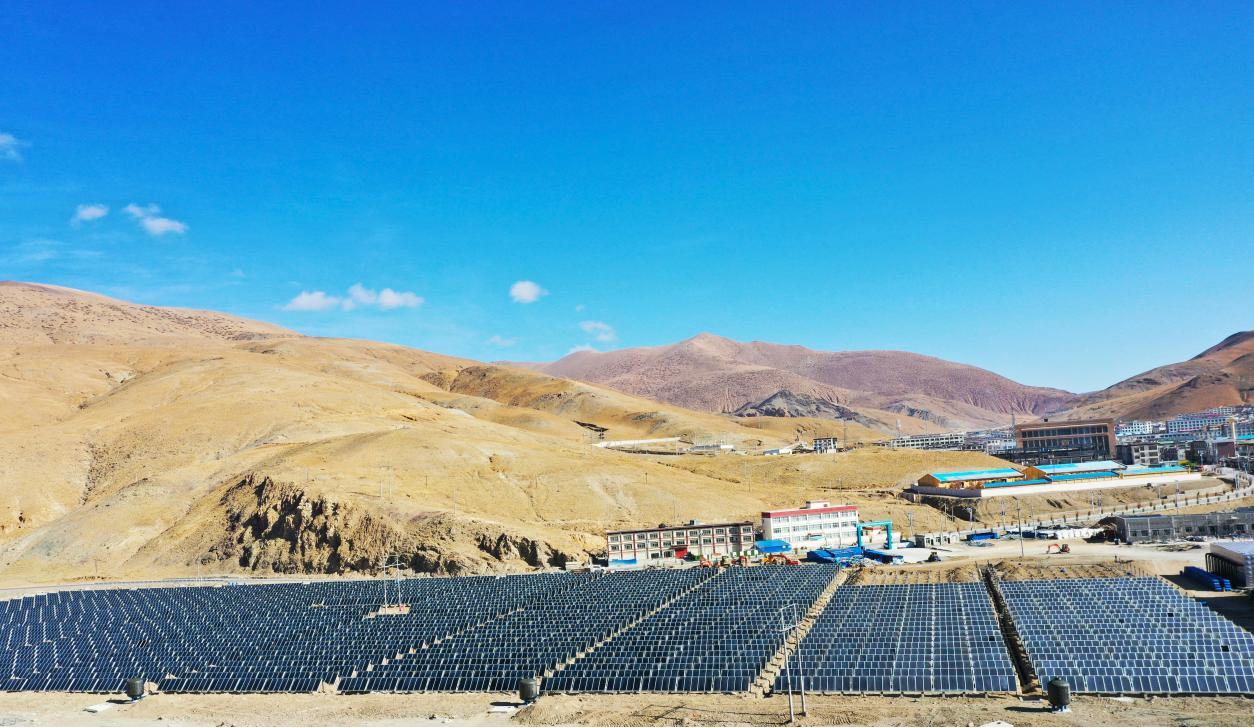
SOLETKS’ published Saga County centralized solar heating reference lists 107,000 m2 heating coverage and 2,424 tons/year coal reduction, which is a real project signal for large shared thermal-system engineering rather than a generic residential-water-heater claim.
Standards and Documentation
Standards should define the collector test basis, electrical package, potable-water boundary, and pressure equipment boundary. Each project should request model-specific certificates or documents for the supplied scope.
ISO 9806:2017
Solar thermal collector test basis. Request collector model data under the stated test method.
UL 508A
Relevant when an industrial control panel is part of the supply for North American projects.
ASME BPVC
Use for tanks, boilers, heat exchangers, or pressure vessels governed by pressure rules.
NSF/ANSI 61
Useful when local potable-water procurement requires contact-material evidence.
ISO systems
ISO 9001, ISO 14001, and ISO 45001 qualify supplier systems, not collector performance.
| Standard or certificate | Дзе прымяняецца | Правіла RFQ |
|---|---|---|
| ISO 9806:2017 | Solar thermal collector test basis | Request collector model data under the stated test method. |
| ISO 9001 | Supplier quality management | Use it for supplier qualification, not product performance. |
| ISO 14001 | Экалагічнае кіраванне | Use it where the procurement scorecard includes factory systems. |
| ISO 45001 | Occupational health and safety management | Use it for supplier-system qualification. |
| UL 508A | Прамысловыя пультаў кіравання | Use it when the control panel scope serves a UL market. |
| ASME BPVC | Pressure vessels and boilers | Use it for tanks or heat exchangers governed by pressure rules. |
| NSF/ANSI 61 | Матэрыялы, якія кантактуюць з пітной вадой | Use it when local potable-water procurement requires it. |
RFQ Inputs for SOLETKS
An RFQ for centralized solar water heating should send load, site, and compliance data in one package. SOLETKS lists project sizing support, technical documents, and contact paths for quote requests through the service site.
Buyers who already have a concept layout should send drawings through the Старонка для кантакту з SOLETKS and ask for collector selection, storage volume, heat-exchanger direction, and control logic in the first reply.
Specification Checklist
The purchase specification should state performance boundaries instead of only asking for a system price. Keep the checklist attached to the quotation so supplier comparisons use the same thermal basis.
| cURL Too many subrequests. | Minimum specification |
|---|---|
| Design water volume | L/day or m3/day at target temperature |
| Target temperature | Delivery setpoint and storage setpoint in degrees C |
| Тып калектара | Flat plate, evacuated tube, heat pipe, or project-specific mix |
| Collector test basis | ISO 9806:2017 or supplied model test report |
| Сховішча | Tank volume, insulation, pressure class, and access route |
| Heat exchange | Direct or indirect loop, plate exchanger, coil, or tank coil |
| Controls | Pump differential, high-limit, freeze protection, backup enable |
| Safety | Relief valves, expansion tank, anti-scald device, electrical isolation |
| 维护 | Access space, drain points, sensor replacement, fluid sampling |
| 文件资料 | Drawings, datasheets, certificates, packing list, installation guide |
常见问题
FAQ answers use the SOLETKS commercial hot-water temperature range and project-application notes cited above.
Is centralized solar water heating better than individual heaters?
Does a centralized system still need backup heating?
What storage volume should an apartment project use?
Which collector type fits centralized water heating?
Крыніцы
- SOLETKS commercial hot-water system and solar-hot-water system pages: Камерцыйная / прамысловая сонечная сістэма гарачага водазабеспячэння 和 太阳能热水系统.
- SOLETKS quality and process references: 质量保证.
- SOLETKS published project references in existing service-site pages, including Saga County centralized solar heating with 107,000 m2 coverage and 2,424 tons/year coal reduction.
- Standards references: ISO 9806:2017, UL 508A, ASME BPVC, and NSF/ANSI 61.
- SOLETKS contact and project inquiry page: Звязацца з SOLETKS.
Build the hot-water plant from the load profile first
Send SOLETKS the daily users, peak draw window, target temperature, storage-room dimensions, roof area, backup heater type, and required standards so the engineering team can size collector field, storage, heat exchange, and controls as one package.