
OEM Solar Thermal Engineering Documents Guide
OEM solar thermal engineering documents guide covering drawings, certifications, revision control, quality records, private label workflows, and RFQ data.
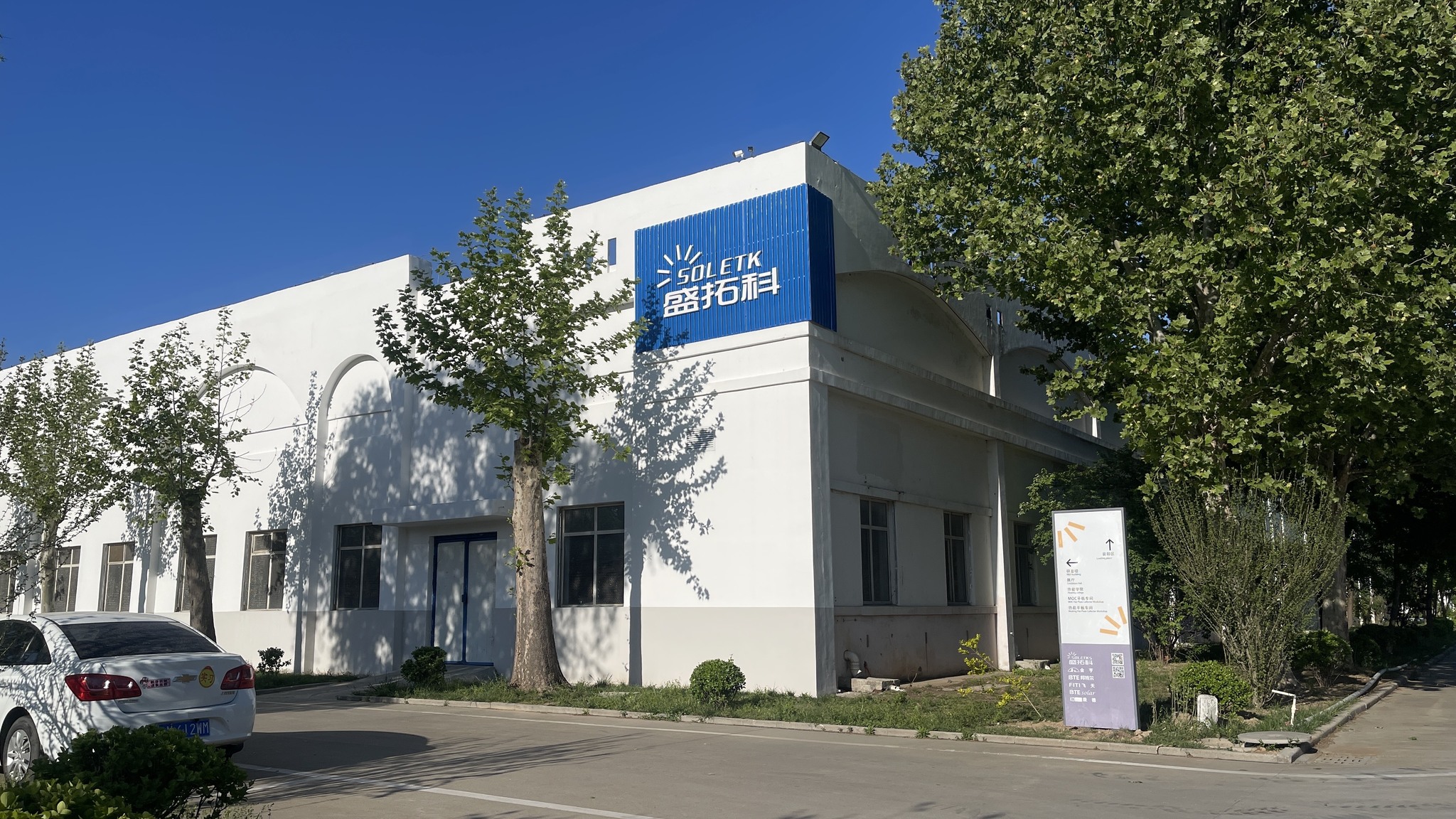
دامنه: this guide defines the OEM document deliverable and revision-control system—drawings, BOMs, certification evidence, inspection records, labels, manuals, packaging files and release status. It complements the existing custom-product engineering page without repeating product customization or thermal sizing.
توسط تیم مهندسی SOLETKS — the OEM documentation and quality group at a Top-5 global flat-plate manufacturer with بیش از ۱۱۷ حق ثبت اختراع. We support OEM/ODM private-label programs through a documented 6-step quality workflow (procurement → design → manufacturing → integration → testing → delivery) backed by بیش از ۱۶۰ مرحله بازرسی در جریان فرآیند and the full Solar Keymark / CE / TÜV / UL / IEC / ISO certification stack.
خلاصه — پاسخ سریع
OEM solar thermal engineering documents are the difference between a product that can be sold, installed, serviced, and defended under warranty and a product that only has a price list.
For distributors, EPC contractors, and private-label partners, the OEM document package should connect:
– Product data (datasheet, performance, materials)
– Drawings (general arrangement, interface, mounting)
– Materials (BOM, spare parts list)
– Inspection records (incoming, in-process, final)
– Packaging (carton, pallet, container)
– نصب و راهاندازی (mounting, plumbing, wiring, safety)
– Commissioning (pressure, flow, temperature, controller)
– After-sales (warranty, claim form, spare parts)
نکات کلیدی:
1. An OEM solar thermal file should include at least 8 controlled document groups.
2. Drawings need revision codes before production.
3. Inspection records must match the shipped model — not a generic datasheet.
4. Packaging data should support import + warehouse planning.
5. The warranty boundary should name pressure, water quality, freeze risk, installation method, and service intervals.
SOLETKS explains custom solar thermal scope through its custom engineered solar thermal products guidance and frames factory documentation through the SOLETKS quality assurance page.[1]
1. The SOLETKS 6-Step Quality Workflow
SOLETKS operates a 6-step quality workflow that drives OEM document creation. Every OEM file connects to one of these steps:
| Step | فعالیت | Documents produced |
|---|---|---|
| 1. Procurement | Raw materials, components, suppliers | Incoming inspection records, supplier qualification |
| 2. Design | Engineering drawings, BOM, label design | GA drawing, interface drawing, BOM, datasheet |
| 3. Manufacturing | Assembly, brazing, tank welding, frame | In-process inspection records, batch traceability |
| 4. Integration | Sub-assemblies, electrical, hydraulic | Wiring diagrams, hydraulic schematics |
| 5. Testing | Performance, pressure, electrical, leak | Test reports, performance curves |
| 6. Delivery | Packing, labeling, container loading | Packing list, container loading plan, photos |
Backing these 6 steps: بیش از ۱۶۰ مرحله بازرسی در جریان فرآیند, which are documented and traceable for OEM buyers.
2. Document Package Answer
An OEM solar thermal project should NOT start production until the buyer and factory agree on the document list, revision control, and acceptance records. The package is more than a datasheet — it becomes the common reference for sales, installation, customs, quality inspection, service, and warranty.
Minimum OEM document package (8 groups)
| # | Document group | Minimum file | چرا اهمیت دارد |
|---|---|---|---|
| 1 | Product datasheet | Model, dimensions, rating, pressure, materials | Prevents sales claims from drifting |
| 2 | General arrangement drawing | Dimensions in mm + connection locations | Locks fit before sampling |
| 3 | Interface drawing | Hydraulic, airflow, mounting, wiring boundary | Reduces installation conflict |
| 4 | BOM summary | Main materials + replaceable parts | Supports service + procurement |
| 5 | Inspection record | Incoming, assembly, pressure, electrical, visual | Creates shipment evidence |
| 6 | فهرست وسایل بستهبندیشده | Carton, pallet, container, weight, labels | Supports import + warehouse |
| 7 | راهنمای نصب | Mounting, plumbing, wiring, safety notes | Reduces field errors |
| 8 | Commissioning form | Pressure, flow, temperature, controller, photos | Creates handover baseline |
Why it matters in practice: a small drawing error becomes expensive after shipment because the buyer, installer, freight forwarder, and warranty team all work from different assumptions. Controlled documents reduce that risk because every party sees the same model, revision, and acceptance rule.
SOLETKS handoff windows: requirement-freeze stage is planned at 3–5 days after a complete RFQ; simple engineering drawing stage is planned at 5–10 days.[1] Use these as document-control checkpoints.
3. Document Workload Calculation
OEM buyers underestimate document workload when each model needs multiple languages, private-label files, and more than one revision round.
یادداشت منبع: screening calculation uses a file-control method for RFQ planning.[2]
نمونهٔ ورودی
| پارامتر | ارزش |
|---|---|
| Product variants | 3 |
| Required document groups per variant | 8 |
| Languages | 2 |
| Revision rounds before production | 2 |
| Engineering review per file | 2 hours |
| Final release check per file | 0.5 hours |
| OEM document handover meeting | 4 hours |
Formula + substitution
Base file count       = 3 × 8 × 2          = 48 controlled files
Revision touchpoints  = 48 × 2             = 96 document touchpoints
Document-control hrs  = (48 × 2) + (48 × 0.5) + 4 = 124 hours
نتیجه: the buyer is NOT approving 3 product pages — the buyer is controlling 48 files, 96 revision touchpoints, and ~124 hours of document-control effort before production release.
توصیه: treat the document package as a project deliverable. For a 3-variant OEM program, assign one owner for file names, revision codes, approval dates, and final PDF release before production starts.
4. OEM vs ODM vs Private Label vs Neutral Supply
The document package changes with the cooperation type:
| Cooperation type | Document control need | When to choose |
|---|---|---|
| OEM private label | Label + packaging + manual + warranty card | Buyer sells under its own brand |
| ODM configuration | Product interface + model changes | Standard model cannot meet measured constraints |
| Neutral-brand project supply | Datasheet + drawings + certificates | EPC or distributor does not need brand change |
| Full system package | Hydraulic + wiring + commissioning | Storage, pumps, controls, backup heat included |
Quick decision
- Distributor in Iberia building own brand → OEM private label (see PVT Collectors Portugal Spain Distributor Guide)
- EPC needs custom port direction or tank size → ODM configuration
- Hotel project buying engineered system → Full system package (see مجموعه جمعکننده خورشیدی تجاری در مقابل سیستم آبگرمکن خورشیدی)
- Distributor reselling without brand change → Neutral-brand project supply
5. Real OEM Path Examples
Example A — Iberian distributor private-label (Portugal/Spain)
| مورد | جزئیات |
|---|---|
| Cooperation type | OEM private label |
| محصول | PVT-E hybrid panels |
| Branding | Distributor’s brand on frame + datasheet + manual + packaging |
| Languages | Spanish + Portuguese + English |
| Certification | Solar Keymark + CE + IEC 61215 + IEC 61730 + ISO 9806 |
| Document count | ~32 controlled files (4 variants × 8 docs) |
| مجموعه نمونه | 20 panels |
Example B — North American pressurized villa supply (USA)
| مورد | جزئیات |
|---|---|
| Cooperation type | OEM private label + ODM (tank port direction) |
| محصول | Pressurized split solar water heater (300 L SUS316L) |
| Branding | US-market brand + UL listing |
| Languages | English (Spanish optional) |
| Certification | UL listing + ASME BPVC + NSF/ANSI 61 + IEC + ISO |
| Document count | ~24 controlled files (3 variants × 8 docs) |
| First batch | 50 units for resort villa project |
Example C — African non-pressurized residential (Sub-Saharan)
| مورد | جزئیات |
|---|---|
| Cooperation type | OEM private label |
| محصول | Non-pressurized compact solar water heater (150–300 L) |
| Branding | Local-market brand + French/English/Swahili labels |
| Languages | English + French + Swahili (Kenya/Tanzania) |
| Certification | ISO 9001 + ISO 9806 (Solar Keymark optional) |
| Document count | ~24 controlled files |
| First batch | One 40′ HQ container (~60 units) |
The same SOLETKS factory + 6-step workflow + 160+ inspection steps delivers all three paths — the differentiator is the OEM document package customized to each market.
6. Market-Specific Certification Matrix
Different target markets require different document combinations:
| Target market | Mandatory certifications | Highly recommended |
|---|---|---|
| EU (Solar Keymark territories) | Solar Keymark + CE + RoHS + REACH + ISO 9806 | IEC 61215/61730 for PVT |
| North America (USA) | UL listing + ASME BPVC + NSF/ANSI 61 | UL 508A for control panels |
| Canada | UL listing + CSA standards + NSF/ANSI 61 | Solar Keymark accepted |
| Australia / NZ | AS/NZS standards + WaterMark + AS 1056 | Solar Keymark accepted |
| MENA / Gulf | ESMA conformity + IEC + ISO | Solar Keymark accepted |
| East / West Africa | ISO 9001 + ISO 9806 baseline | Solar Keymark optional |
| South Asia (India) | BIS + ISI + ISO 9001 | Solar Keymark for premium |
| جنوبشرق آسیا | Country-specific (varies) | ISO + Solar Keymark commonly accepted |
| Latin America | INMETRO (Brazil) / NOM (Mexico) | ISO baseline |
| China (domestic) | CCC + GB standards | — |
| Eastern Europe | Same as EU | — |
OEM document control rule: the certification matrix is the FIRST thing to confirm at RFQ. A missing certificate can block customs clearance for weeks. SOLETKS holds Solar Keymark, CE, TÜV, UL, IEC 61215, IEC 61730, ISO 9001, ISO 14001, ISO 45001 — covering most major markets.
7. Engineering Document Matrix by Project Stage
Use this matrix to decide what must be ready before sampling, before production, before shipment.
| Stage | Required documents | Numeric gate |
|---|---|---|
| RFQ | Application, load, target market, standard list | ≥ 6 project inputs |
| Sampling | Datasheet, GA drawing, label draft, packing method | 1 approved sample file set |
| Pre-production | BOM summary, inspection plan, final drawings | 0 open drawing comments |
| Shipment | Packing list, inspection record, manual, warranty | 100% cartons matched to packing list |
| After-sales | Commissioning form, spare parts list, claim process | First service rule within 12 months |
مکانیزم
- Datasheet tells the buyer what was promised
- Drawing tells the installer what was built
- Inspection record proves what was checked
- Commissioning form records what happened on site
If one layer is missing, the warranty team has to guess — which leads to slow claims and weak distributor confidence.
8. Revision Control Convention
Document revision control is the most underestimated OEM topic. A consistent convention prevents 90% of OEM document confusion:
SOLETKS revision code convention
Format: <Model>-<Doc-Type>-Rev<Number>-<Date>

Examples:
  BTE2.0-2-DS-Rev03-20260719   (BTE2.0-2 datasheet, revision 3, dated 2026-07-19)
  HPC442-GA-Rev02-20260719     (HPC442 general arrangement, revision 2)
  PVT-E-IM-Rev01-20260719      (PVT-E installation manual, revision 1)
  APVT-590-WD-Rev04-20260719   (APVT-590 wiring diagram, revision 4)
Revision change triggers
- Major revision (+1.0) → product specification change, dimension change, material change
- Minor revision (+0.x) → text correction, language addition, label update, branding adjustment
Document state codes
- DRAFT → internal only
- REVIEW → sent to buyer for comment
- APPROVED → released for production
- OBSOLETE → superseded by newer revision
Critical OEM rule: production NEVER starts from a DRAFT or REVIEW document. Only APPROVED documents flow to manufacturing.
9. Quality Records and Traceability
Quality records should show how the product moved from material to shipment.
| رکورد | What it should show | Buyer use |
|---|---|---|
| Incoming inspection | Materials, coating, glass, tank, frame, fittings | Confirms supplier control |
| In-process inspection | Assembly, brazing, pressure, wiring, sealing | Catches defects before packing |
| Performance / safety test | Thermal, pressure, electrical, control, leak | Supports acceptance |
| Final inspection | Label, quantity, accessories, manuals, appearance | Prevents packing disputes |
| Export packing record | Carton, pallet, mark, photo, container loading | Supports customs + warehouse receiving |
SOLETKS quality materials describe procurement → design → manufacturing → integration → testing → delivery as the 6-step workflow, with بیش از ۱۶۰ مرحله کنترل کیفیت across this chain.[1] For OEM buyers, those 160+ steps convert into model-specific inspection records attached to the shipment file.
۱۰. ماتریس چرخه عمر و هزینه کل مالکیت
Engineering documents کاهش هزینه چرخه عمر because service teams need fewer site visits to identify the correct part, pressure class, or wiring boundary.
| Lifecycle document | Update interval | 10-year TCO effect |
|---|---|---|
| Datasheet + drawing revision | Every model change | Prevents wrong-product claims |
| Spare parts list | ۶–۱۲ ماه[2] | Reduces repair lead time |
| راهنمای نصب | Every product or standard change | Reduces installer rework |
| Commissioning form | Every project | Creates baseline for 1, 6, 12-month service checks |
| Warranty + claim form | 12 months review | Separates product defect from installation issue |
| Packaging photo record | Every shipment | Reduces carton + accessory disputes |
The lowest-cost OEM program is usually the one with boring paperwork. When drawings, packing, and inspection records are clear, the distributor can train installers once and reuse the same evidence for sales, customs, service, and warranty.
۱۱. استانداردها و مستندات
Do not ask one certificate to prove the entire OEM scope. Map standards to the product part or process.
| استاندارد / گواهینامه | موارد کاربرد | قانون RFQ |
|---|---|---|
| ایزو ۹۰۰۱ | مدیریت کیفیت | Supplier process qualification.[3] |
| ISO 14001 | مدیریت محیط زیست | Factory systems scoring.[4] |
| ISO 45001 | Occupational health + safety | Factory safety audit.[5] |
| ایزو ۹۸۰۶:۲۰۱۷ | روشهای آزمون کلکتورهای حرارتی خورشیدی | شواهد عملکرد کلکسیونر.[6] |
| IEC 61215 | صلاحیت طراحی ماژول فتوولتائیک | PVT or PV-side modules.[7] |
| IEC 61730 | صلاحیت ایمنی ماژول فتوولتائیک | PVT or PV-side safety. |
| کلیدخورشیدی کاورمک | گواهینامه حرارتی خورشیدی اروپایی | EU procurement gatekeeper. |
| UL 508A | پنلهای کنترل | UL-market panel.[8] |
| ASME BPVC | Pressure vessels | North American pressurized markets. |
| NSF/ANSI 61 | Drinking-water contact | NA potable approval. |
۱۲. ورودیهای RFQ برای SOLETKS
دادههای پروژهتان را از طریق ارسال کنید صفحه تماس SOLETKS and ask for an OEM document package.
Buyer + market
- Target market + customer segment
- Buyer brand position (own brand / neutral / market established)
- Sales channel structure
Cooperation type
- OEM private label / ODM / neutral supply / full system
محصول
- Model + quantity + sample plan + expected annual volume
- Application: hot water, pool, factory preheat, drying, ventilation, PVT, heat pump
اسناد
- Required: datasheet, GA drawing, interface drawing, BOM, inspection record, packing list, installation guide, commissioning form
- Required certifications matching destination market
- Required languages: country list + back-translation needs
Branding
- Logo, label format, manual cover, warranty card
Timeline
- Sample approval deadline + production release + shipment + product launch
13. OEM Document Checklist
Use this checklist before approving production:
| مورد | پاسخ مورد نیاز |
|---|---|
| Revision code | Model + drawing + manual + label + packing list |
| دادههای فنی | Dimensions + pressure + temperature + materials + output |
| Drawing scope | GA + interface + mounting + hydraulic + wiring |
| Quality evidence | Incoming + in-process + pressure + final + packing |
| Brand files | Logo + label + manual cover + warranty card |
| Shipment data | Cartons + pallets + gross weight + net weight + container plan |
| After-sales | Spare parts list + claim form + commissioning sheet |
| Certification stack | Matching destination market |
| Languages | All required market languages |
FAQ
What are OEM solar thermal engineering documents?
OEM solar thermal engineering documents are the controlled technical files used to sell, manufacture, inspect, ship, install, commission, and service a private-label or customized solar thermal product. They usually include datasheets, GA + interface drawings, BOM summaries, inspection records, packing lists, installation guides, warranties, and commissioning forms — at least 8 document groups.
Why are drawings important for OEM solar thermal products?
Drawings define dimensions, ports, mounting points, hydraulic interfaces, airflow boundaries, wiring, and service access. Without an approved drawing revision, the factory, buyer, installer, and service team may use different assumptions — leading to fit errors and warranty disputes.
How many documents should an OEM buyer request?
Start with at least 8 document groups: datasheet, general arrangement drawing, interface drawing, BOM summary, inspection record, packing list, installation guide, and commissioning form. More files needed when the order includes private label, PVT electrical data, control panels, local certificates, or multilingual packaging.
What is SOLETKS’ 6-step quality workflow?
Procurement → Design → Manufacturing → Integration → Testing → Delivery — with بیش از ۱۶۰ مرحله بازرسی در جریان فرآیند across this chain. Every OEM document maps to one of these 6 steps, creating a complete traceable evidence chain from raw material to shipment.
OEM, ODM, private label, or neutral supply — what’s the difference?
OEM private label = buyer sells under own brand (most distributors). ODM = configuration changes to interface or model. Neutral supply = no brand change (some EPCs). Full system = storage, pumps, controls, backup all included (hotel/hospital projects).
What certifications do I need for my target market?
EU: Solar Keymark mandatory. USA: UL + ASME + NSF/ANSI 61. Australia: AS/NZS + WaterMark. MENA: ESMA. SOLETKS holds Solar Keymark, CE, TÜV, UL, IEC 61215, IEC 61730, ISO 9001, ISO 14001, ISO 45001 — covering most major markets.
What is the document revision control convention?
Format: <Model>-<DocType>-Rev<Number>-<Date> (e.g., HPC442-GA-Rev02-20260719). Major revisions (+1.0) for spec changes. Minor (+0.x) for text/language updates. Document states: DRAFT → REVIEW → APPROVED → OBSOLETE. Production never starts from DRAFT or REVIEW.
What should be sent for an OEM document package quote?
Product family, target market, cooperation type, quantity, sample plan, annual volume, required certifications matching destination market, languages, labels, packaging, warranty format, application data, measurable constraints (port direction, tank room height, duct size, pressure class, mounting geometry).
منابع
[1] سولِتکس, Custom Engineered Solar Thermal Products و ضمانت کیفیت — 6-step quality workflow (procurement → design → manufacturing → integration → testing → delivery), 160+ in-process inspection steps.
[2] SOLETKS OEM documentation screening note: file counts, approval gates, timing, revision, lifecycle, and TCO values are preliminary project-control rules.
[3] آیزو, استاندارد ایزو ۹۰۰۱:۲۰۱۵ سیستمهای مدیریت کیفیت.
[4] آیزو, ISO 14001:2015 Environmental management systems.
[5] آیزو, ISO 45001:2018 Occupational health and safety management systems.
[6] آیزو, ISO 9806:2017 انرژی خورشیدی – جمعکنندههای حرارتی خورشیدی – روشهای آزمون.
[7] کمیته بینالمللی الکتروتکنیک, صلاحیت طراحی ماژول فتوولتائیک IEC 61215.
[8] یوال سولوشنز, تابلوهای کنترل صنعتی – UL 508A.
آخرین بازبینی: 2026-08-27 توسط تیم مهندسی SOLETKS. بازبینی بعدی برنامهریزیشده: 2027-08-27. Workflow referenced: SOLETKS 6-step quality workflow (procurement → design → manufacturing → integration → testing → delivery), 160+ in-process inspection steps, OEM examples from Iberian, North American, and Sub-Saharan African markets.
آیا به بازبینی مهندسی ویژه پروژه نیاز دارید؟
شرایط اقلیمی سایت، بار روزانه، محدودیتهای سقف یا اتاق تأسیسات، دامنه محصول و نیازمندیهای مستندسازی هدف را برای SOLETKS ارسال کنید تا تیم مهندسی بتواند یک توصیه تجاری عملی ارائه دهد.
تماس با SOLETKS