
"Commercial solar heating" covers very different projects: a 200-room hotel, a hospital laundry, a food plant washing line, a school dormitory, a warehouse with heating in winter only. This guide maps those projects to system types so you can see which solutions fit your building before you request a quotation. Each section links to SOLETKS engineering guides that go deeper into one decision.
1. What can a commercial solar heating system actually heat?
| Heat demand | Typical temperature | Load pattern | Good fit for solar? |
|---|---|---|---|
| آب گرم خانگی (DHW): showers, kitchens, laundries | Commonly 45–70 °C at the outlet | Every day, all year | Excellent. Steady year-round demand uses the solar heat in summer too. |
| Process preheating: washing, cleaning, CIP, boiler feedwater | Varies; solar often preheats toward the process temperature | Production schedule; often weekdays | خیلی خوب when demand is steady and daytime |
| Space heating: underfloor, fan coils, radiators | Low-temperature emitters work best | Winter-heavy, low in summer | Good with care. Needs a summer heat outlet or a combined DHW load |
| Pool and spa heating | Low (near ambient) | Seasonal or year-round | Good; low temperature suits simple collectors |
| Air heating: ventilation preheat, drying, workshop heating | Air-side | Daytime, seasonal | Good with solar air collectors; no liquid loop |
Key rule: solar heat is most valuable when the load is large, predictable and present when the sun is. (For background on active and passive solar water heating, see the U.S. Department of Energy's solar water heaters guide.) That is why hotels, hospitals, dormitories, laundries and food processing make strong commercial candidates. A building that only needs heat on winter nights is a harder case.
2. The main system types
2.1 By circuit: direct vs indirect
- Direct systems circulate the potable or process water itself through the collectors. They are simpler and have no heat-exchanger loss. They suit frost-free climates and good water quality.
- Indirect systems circulate a heat-transfer fluid, often a glycol mix, through a closed collector loop. A heat exchanger transfers the heat to the water. This is the standard choice where freezing, hard water, hygiene control or high operating pressure is a concern. Hospitals and most cold-climate projects use indirect designs.
The full comparison of risks, costs and controls is in commercial direct vs indirect solar heating systems.
2.2 By circulation: thermosiphon vs forced (pumped)
Small packaged heaters often use thermosiphon (natural circulation): the tank sits above the collector and needs no pump. Almost every commercial-scale project uses forced circulation. Pumps, controllers and sensors move heat from large collector arrays to central storage tanks that can be placed anywhere in the building.
2.3 By collector technology

| مبدل حرارتی | نقاط قوت | Typical commercial use | SOLETKS product |
|---|---|---|---|
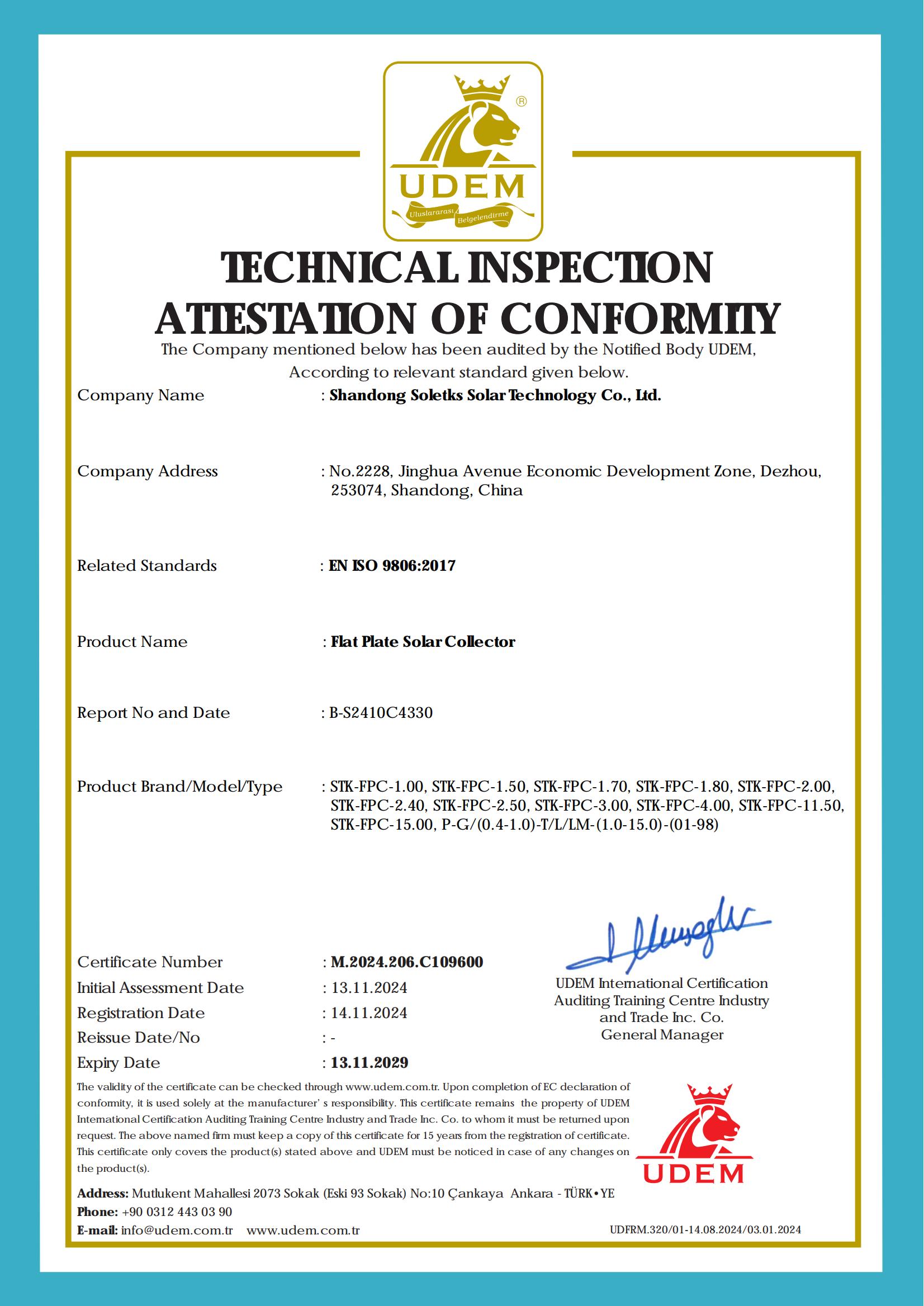
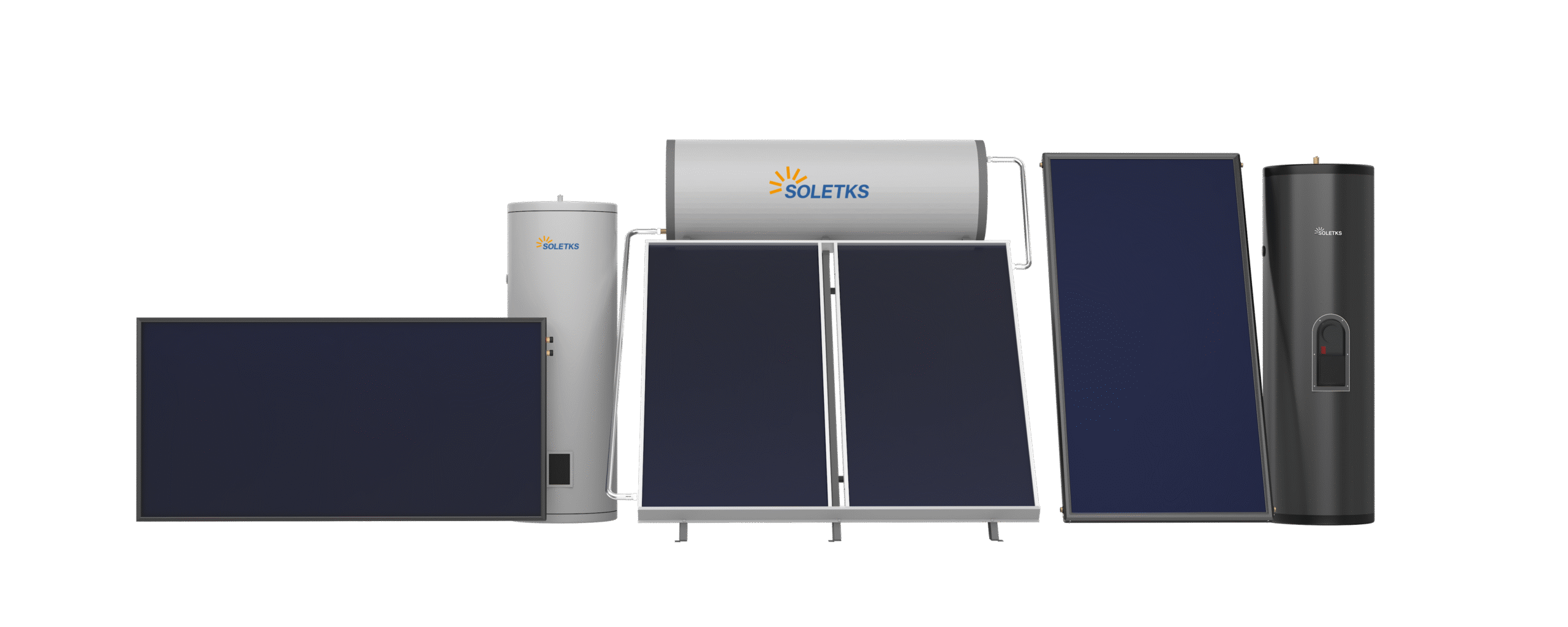
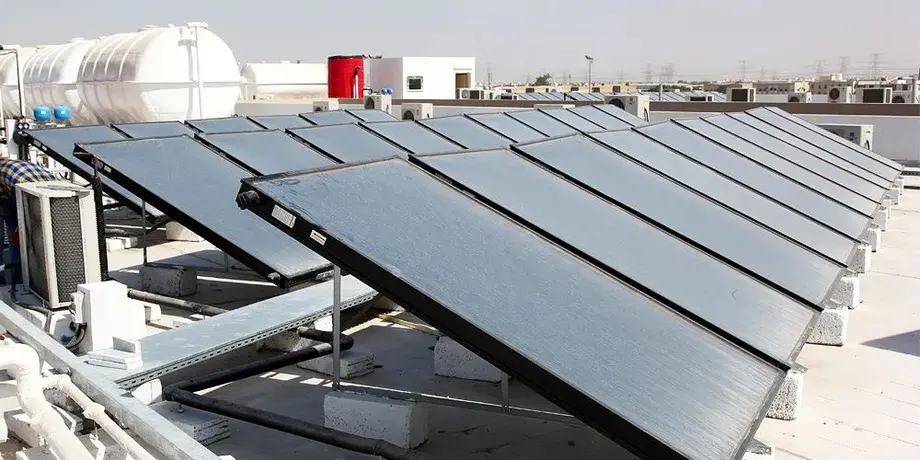
| صفحه تخت | Robust, simple to maintain, good for large arrays and moderate temperatures | Hotels, hospitals, schools, apartments, factory DHW | Flat plate solar collectors (the group's core product) |
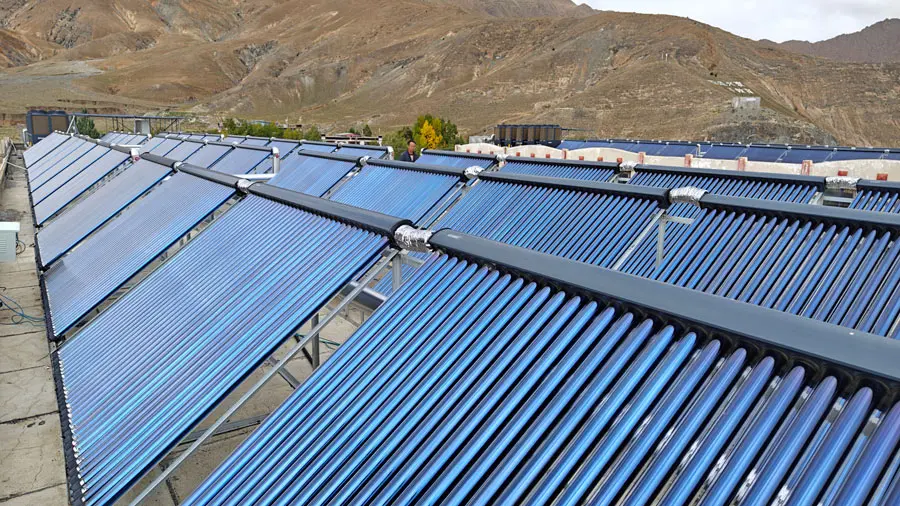
| Evacuated tube (heat pipe / CTC) | Low heat loss at large temperature differences; strong cold-climate performance | Cold regions, higher-temperature DHW, process preheating | کلکتورهای لوله خلاء incl. HPC series (0.6 MPa, 120 °C max) |
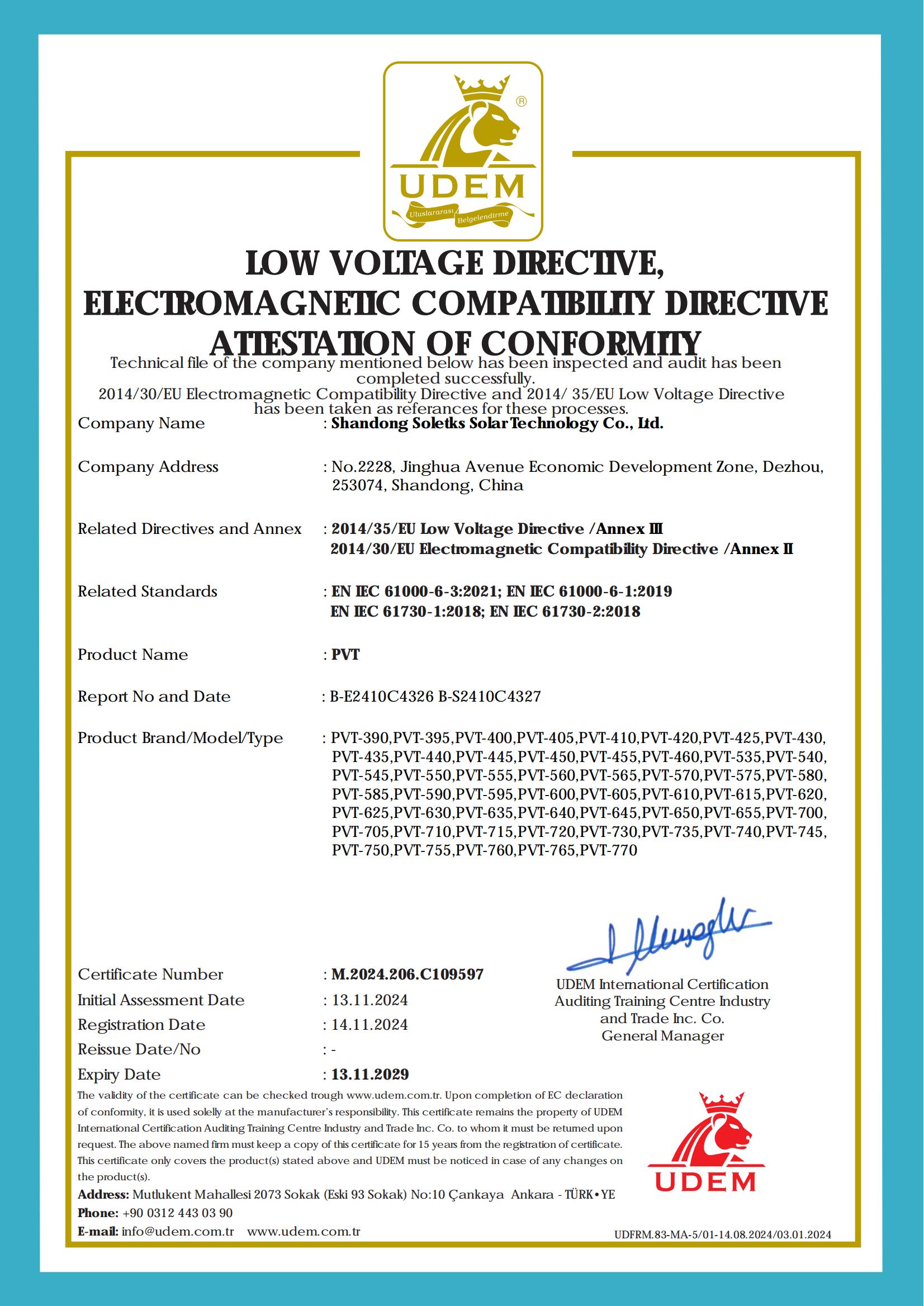
| PVT (hybrid) | Electricity and low-temperature heat from the same roof area | Buildings with heat pumps, limited roof area, combined power and heat goals | PVT hybrid solar systems |
| Solar air collector | No liquid loop, so no freezing or leaks | Workshop and warehouse heating, ventilation preheat, agricultural and industrial drying | DVC vacuum-tube air collector, flat air collectors |
Not sure how evacuated tubes differ inside? See how evacuated tube solar collectors work.
2.4 By application
- Solar hot water systems are the most common commercial project. See the commercial and industrial solar hot water system page.
- Solar combisystems supply both DHW and space heating from one store. They work best with low-temperature emitters such as underfloor heating. See solar space heating combisystem design.
- Solar process heat covers preheating for washing, cleaning and production water. See industrial solar hot water systems for factories.
- Solar air heating uses air collectors coupled to ventilation or drying systems. It can also be paired with an air-source heat pump to improve its winter performance.
3. How a commercial solar heating system is put together
A typical pumped, indirect commercial system has six building blocks:
- Collector array. Sized to the load, roof area and orientation, with balanced hydraulics across collector banks.
- Solar loop. Pump station, expansion vessel, pressure relief, air separation and an approved heat-transfer fluid.
- Heat exchanger. Internal coil or external plate exchanger, between the solar loop and the water.
- Solar storage. Usually the most important component for performance. Storage bridges the gap between when the sun shines and when heat is used. See commercial solar hot water storage tank sizing.
- Backup heating. A gas, diesel or electric boiler or a heat pump tops up the temperature when solar is insufficient. Solar acts as a preheater ahead of the backup.
- Controls and monitoring. Differential temperature control, overheat and freeze logic, legionella management where required, and ideally heat metering so the owner can see actual solar yield.
4. How to size a commercial solar heating system: a worked example
Sizing always starts with the heat load. Here is the logic for a hot water project, with illustrative numbers.
Step 1: daily heat demand.
A hotel uses 10,000 litres of hot water per day, heated from a ۱۵ درجه سانتیگراد cold-water supply to ۵۵ درجه سانتیگراد.
Energy = mass × specific heat × temperature rise
= 10,000 kg × 4.186 kJ/(kg·K) × 40 K ≈ 1,674,000 kJ ≈ 465 kWh per day
Step 2: choose a target solar fraction.
Commercial systems are rarely designed for 100 % solar. Oversizing for winter wastes heat and causes overheating in summer. Suppose the design aims to cover about half of the annual hot water energy: about 230 kWh/day on average.
Step 3: estimate useful yield per square metre.
Suppose the site receives an annual average of 5 kWh/m² per day on the collector plane. Assume an average system efficiency of about 45 %, which includes collector, pipe and storage losses. Each square metre of collector then delivers roughly 2.25 kWh/day.
Step 4: collector area.
230 ÷ 2.25 ≈ 100 m² of collector. Storage is then sized to hold roughly one day of solar production, and the existing boiler or heat pump becomes the backup.
These are illustrative assumptions to show the method, not a design. Real sizing uses monthly irradiation for your location, the hourly demand profile, the collector's tested performance curve, storage stratification and the backup set-point. SOLETKS provides project sizing support when you send your load data. See also how to size a commercial solar hot water system for hotels and hospitals.
5. What drives the economics
We don't publish generic price-per-square-metre figures. Installed cost and payback depend heavily on the country, labour, roof structure and existing plant. The factors that decide whether a commercial project pays back are well understood:
- The fuel you displace. Solar heat offsets diesel, LPG or direct electric water heating much faster than it offsets cheap natural gas.
- Load utilisation. Every kWh of solar heat must be used. A steady daily load such as hotels, hospitals, laundries or a food plant earns the most per collector.
- Solar fraction. The first collectors displace the most fuel. Pushing the solar fraction very high adds area that sits idle or overheats in summer.
- System losses. Long uninsulated pipe runs, undersized storage and poor control logic quietly reduce real-world yield.
- Maintenance and uptime. A system that runs reliably for its full service life beats one with a slightly lower purchase price. Budget for a planned programme from day one. See the commercial solar thermal O&M plan و how to maintain commercial solar water heaters.
For an ROI estimate, ask for an annual energy-yield calculation based on your load and location. Comparing collectors by unit price or tube count alone won't tell you which system pays back.
6. How to choose: a decision checklist
Work through these questions in order. Each answer narrows the system type.
- What are you heating? Hot water, space heating, process water, pool water or air.
- To what temperature, and how far above outdoor air? Moderate temperatures in mild climates favour flat plate collectors. Large temperature differences or cold climates favour evacuated tubes.
- How much, and when? Send daily volume, peak hours, weekday and weekend patterns and seasonal variation.
- Does the site freeze? What is the water quality? Either one usually means an indirect closed-loop design.
- How much roof or ground area is there, and which way does it face? Limited area may justify higher-output collectors, or PVT where electricity is also needed.
- What backup exists today? Solar normally preheats ahead of an existing boiler or heat pump. Confirm the controls can work together.
- Who will operate and maintain it? Hospitals and hotels need accessible, monitored systems with clear service procedures.
7. Typical commercial solar heating applications
| cURL Too many subrequests. | مهمترین چیز | Typical SOLETKS approach |
|---|---|---|
| Hotels and resorts | Morning and evening peaks; laundry and kitchen loads | Flat plate arrays, large insulated storage, boiler or heat pump backup |
| Hospitals and healthcare | Reliability, hygiene, continuous supply | Indirect heat exchange, monitoring, service access, backup planning |
| Schools and dormitories | Strong evening shower peaks, term-time schedules | Modular arrays, central storage, timed circulation |
| Factories and food processing | Daytime process and washing loads | Large-area collectors, process water preheating, hybrid boiler operation |
| cURL Too many subrequests. | Continuous warm water demand | Stable outlet temperature control, corrosion-resistant tanks |
| Apartments and campuses | One central system serving many users | Centralized solar water heating with smart backup |
| Workshops, warehouses, drying | Air-side heat, no freeze risk wanted | Solar air collectors, optionally coupled with air-source heat pumps |
8. SOLETKS commercial solar heating project references
The system types above aren't theoretical. These SOLETKS projects show how each one works at commercial scale. Figures are from SOLETKS project records.

| پروژه | سال / مکان | What it heats | System and key figures |
|---|---|---|---|
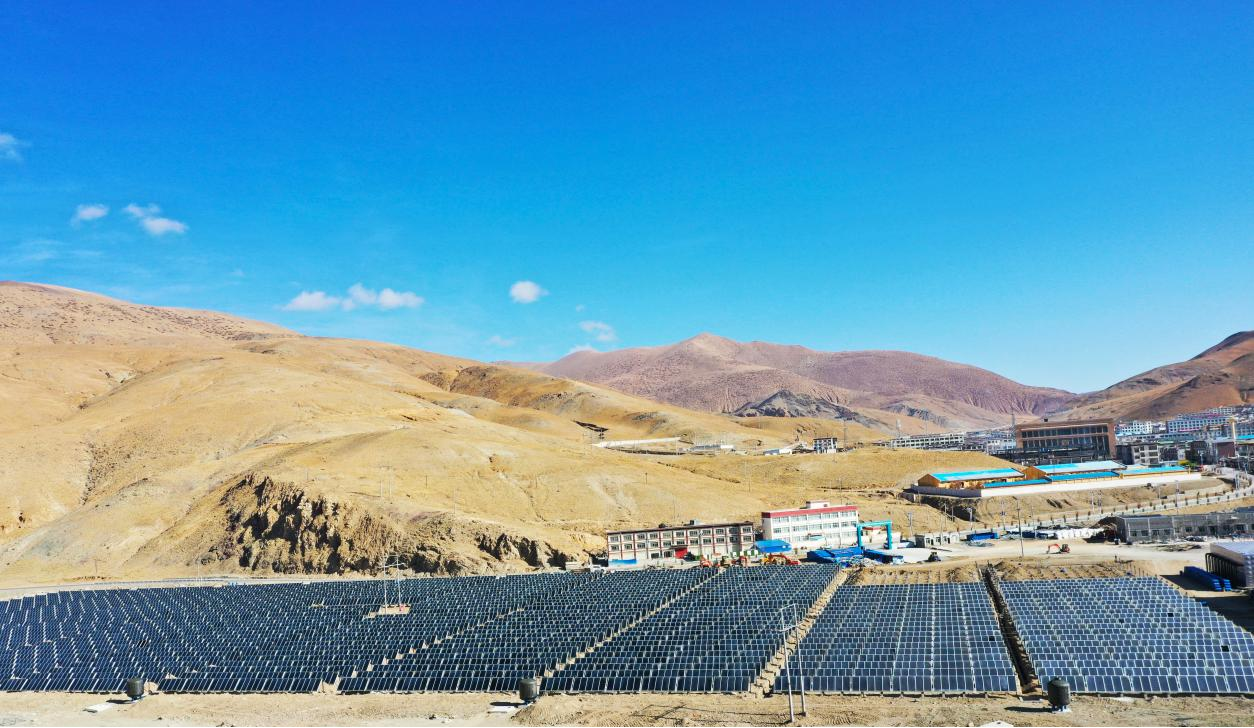
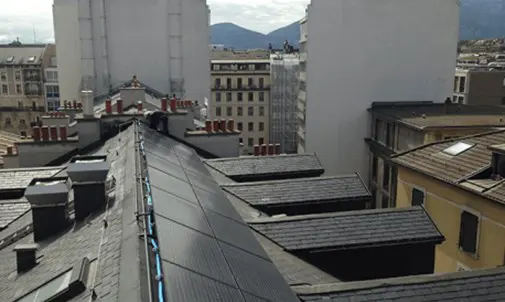
| High-altitude centralized solar heating plant | Saga County, Tibet, China | District / space heating | Described by SOLETKS as the world's first high-altitude centralized solar heating plant; ۱۰۷،۰۰۰ متر مربع, saving 2,424 t of coal per year |
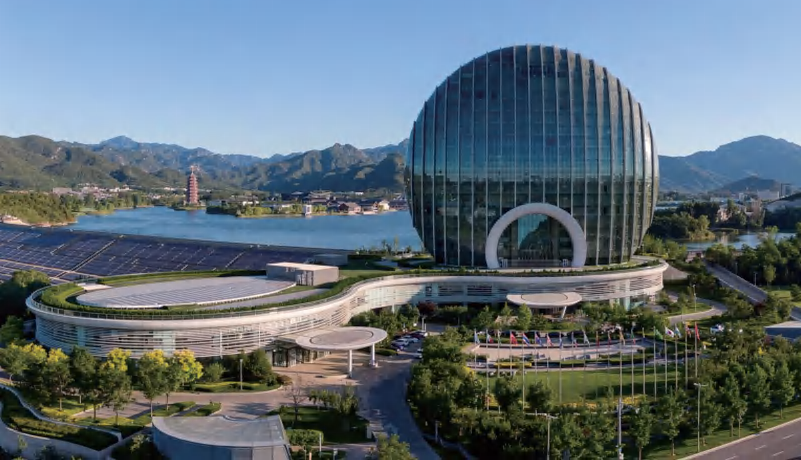
| سیستم آب گرم هتل اجلاس APEC | Beijing, China | Hotel domestic hot water | ۵۰ تن در روز of hot water; 150,000 kWh saved per year |
| Central Asia Clean Campus Heating Project | 2023, Kazakhstan | Winter space heating for offices, teaching buildings and laboratories | U-tube evacuated tube collectors; 12,600 m² heating area; covers the campus winter heating demand |
| Plant hot water project | 2020 | Factory dormitory hot water | مبدلهای صفحه تخت; 138 t/day hot water production capacity |
| PVT + ground source heat pump coupling | 2019 | Building heat and power | Thermoelectric T/PV system with ground source heat pump and smart control; 40–60 % comprehensive energy savings |
| Commercial PV/T office project | 2016 | Office electricity and domestic hot water | PV/T panels supplying both power and hot water |
| Resort villa hot water project | 2022 | Holiday villa domestic hot water | صفحه تخت solar water heaters; 200 L/day per villa |
A useful sense of scale: the worked example in section 4 is a 10,000 L/day hotel. The APEC hotel system delivers five times that volume, and the factory dormitory system nearly 14 times. The sizing method is the same at every scale: measure the load, choose a sensible solar fraction, then size collectors, storage and backup to fit. More cases are on the SOLETKS featured projects page.
9. Frequently asked questions
Is solar heating worth it for commercial buildings?
It is most worthwhile where there is a large, steady daily heat demand, especially hot water, and the backup fuel is expensive. Payback depends on the fuel you displace, how fully the solar heat is used and local installation costs. Ask for a yield and savings calculation based on your own load data.
Can solar heat a whole commercial building in winter?
Solar alone rarely covers 100 % of winter space heating, because winter has the least sun and the most demand. Commercial systems are normally designed to cover a share of the annual heat, with an existing boiler or heat pump as backup.
What is the difference between solar heating and solar PV?
Solar thermal collectors turn sunlight directly into heat in water, glycol or air. PV panels turn sunlight into electricity. PVT panels do both. For heating loads, solar thermal typically produces more heat per square metre of roof than PV powering an electric heater, while PV is more flexible in how its energy can be used.
Which collector is best for commercial solar heating?
None is best everywhere. Flat plate collectors suit most moderate-temperature hot water projects. Evacuated tubes suit cold climates and higher temperatures. PVT suits buildings that want both power and low-temperature heat. Solar air collectors suit ventilation and drying.
Do commercial solar heating systems need much maintenance?
They need planned, regular maintenance. That means fluid, pressure and anode checks, control verification, and collector inspection. A typical commercial programme has visits at 3, 6 and 12 months after commissioning, then a full service every year. It isn't heavy, but it shouldn't be skipped. See the commercial solar thermal O&M plan.
Do you offer OEM or private-label supply?
Yes. SOLETKS offers OEM/ODM and distributor cooperation alongside project supply.