Low-Temperature Drying
Solar warm air can support drying processes that need stable low-temperature heat rather than high-pressure hot water.
- Agricultural product drying
- Food, herbs, grains and seed drying
- Wood, textile or material pre-drying

SOLETKS APVT-590 is an air-based photovoltaic thermal panel that generates electricity and captures warm air from the same solar surface. It is designed for low-temperature drying, space heating support and projects that need higher total solar energy use from limited installation area.
An air PVT solar panel is a photovoltaic thermal module that produces electricity from PV cells while collecting warm air from the back or thermal layer of the panel. Unlike a water-based PVT collector, an air PVT panel uses airflow instead of liquid circulation, making it suitable for low-temperature drying, ventilation preheating and space heating support.
Standard PV panels generate electricity, but the heat behind the module is usually wasted. An air PVT panel captures part of that heat and moves it through an air channel, creating a second useful energy output without adding a separate solar air collector area.
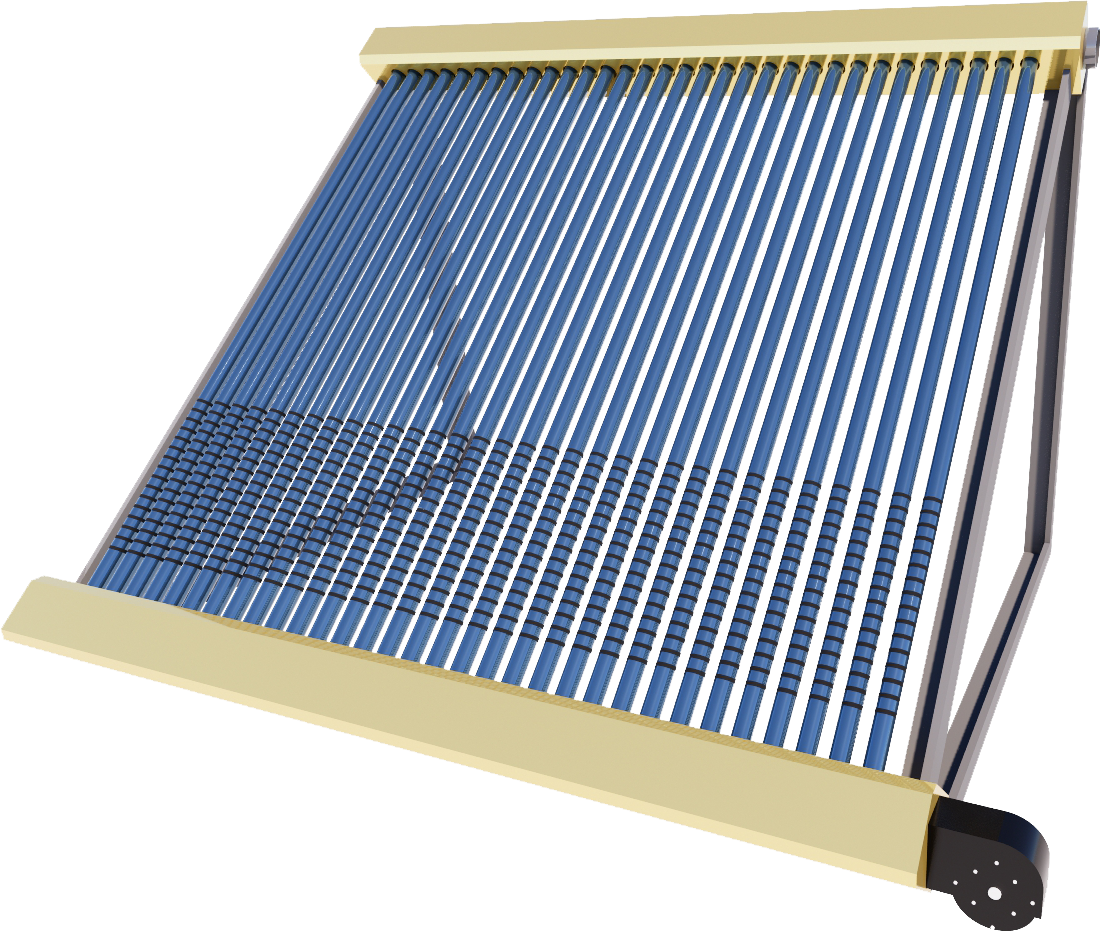
Air PVT should be positioned around real thermal demand. The product becomes more persuasive when the buyer understands how warm air can reduce electric heating, fossil fuel drying or conventional ventilation heating.
Solar warm air can support drying processes that need stable low-temperature heat rather than high-pressure hot water.
APVT can supply preheated air to reduce heating load in workshops, warehouses, farms and public buildings.
Buildings that require fresh air can use solar-heated air before it enters the indoor ventilation or heating system.
Farms often need both electricity and low-temperature thermal energy for drying, livestock facilities or greenhouse support.
Factories with repeatable warm air demand can use APVT to preheat process air before electric or fuel-based heating.
Buyers searching for air PVT panels may need a product line with specifications, packing data and technical documentation.
The following data is based on the APVT-590 product parameter sheet. On the live page, this specification table should remain visible instead of hiding all technical information behind a contact form.
| Category | Kohde | APVT-590 Data |
|---|---|---|
| Malli | Product model | APVT-590 |
| Rakenne | Mitat | 1148 x 2293 x 80 mm |
| Rakenne | Outline area | 2.63 m2 |
| Rakenne | Paino | 37 kg |
| Rakenne | Cover material | Ultra-clear low-iron single-sided textured tempered glass, 3.2 mm |
| PV Cell | Cell quantity and type | 144 pcs, N-type TOPCon monocrystalline |
| Electrical | Maximum power under STC | 590 W |
| Electrical | Moduulin hyötysuhde | 23.3% |
| Electrical | Järjestelmän enimmäisjännite | 1500 V |
| Electrical | Voc / Vmp | 51.1 V / 44.45 V |
| Electrical | Isc / Imp | 14.31 A / 13.27 A |
| Electrical | Operating temperature | -40 to 70 deg C |
| Electrical | Power temperature coefficient | -0.28% per deg C |
| Lämpö | Peak thermal power | 1551 W |
| Lämpö | Peak thermal efficiency | 0.59 |
| Lämpö | Air flow | 70-90 m3/h |
| Lämpö | Static pressure | 120 Pa |
| Lämpö | Air interface | 100 mm diameter, 2 pcs |
| Connection | Connector and fire rating | MC4 connector, IEC fire class C |
| Packing | Loading data | 12 units per pallet, 240 units per 40 ft container |
| Soveltaminen | Recommended use | Low-temperature drying and space heating |
A successful air PVT project is not just a panel purchase. The system must coordinate PV wiring, air ducting, fan selection, airflow, temperature control, drying chamber or indoor heating demand and backup heating.
Air PVT buyers often focus only on PV power. For a correct proposal, the thermal side must also be checked: airflow, air temperature rise, duct length, pressure loss, drying chamber size, indoor heating load and seasonal operation.
APVT value = PV electricity + useful warm air + reduced drying or heating energy + better use of limited roof area
For serious inquiries, ask for project location, use case, required air temperature, airflow demand, installation area, duct distance, backup heat source and operating schedule.
A ranking page should not say one technology is always better. It should guide buyers to the right product based on energy demand, system complexity and application.
| Question | Standard PV Panel | Solar Air Collector | Air PVT Panel APVT-590 |
|---|---|---|---|
| Produces electricity? | Yes | Ei | Yes, 590 W under STC |
| Provides warm air? | No, heat is mostly wasted | Yes | Yes, with 1551 W peak thermal power |
| Paras käyttötapaus | Electricity-only projects | Air heating or drying only | Projects needing both electricity and warm air |
| System design focus | PV string and inverter design | Airflow, ducts and thermal demand | Electrical design plus airflow and thermal use |
| Related SOLETKS page | PVT Solar Panel Range | DVC ilmakeräin | Ask for APVT-590 proposal |
Air PVT is a newer search topic, so the page should include multiple natural names: air PVT panel, air-based PVT solar panel, photovoltaic thermal air collector, PV-T air collector, hybrid solar air panel and solar drying PVT panel.
Buyers may search for air PVT panel, APVT solar panel, photovoltaic thermal air collector or PV-T air collector.
Project buyers may search for solar drying system, solar air heater for drying or solar air heating for buildings.
Distributors may search for PVT solar panel manufacturer, OEM hybrid solar panel or container loading data.
Because air PVT sits between PVT panels and solar air collectors, the live page should link clearly to both product families instead of isolating this product.

Connect APVT-590 with the broader PVT product range for buyers comparing PV-T, solar PVT and hybrid solar panel options.
Use DVC air collector context to explain air heating, drying and ventilation preheating demand.
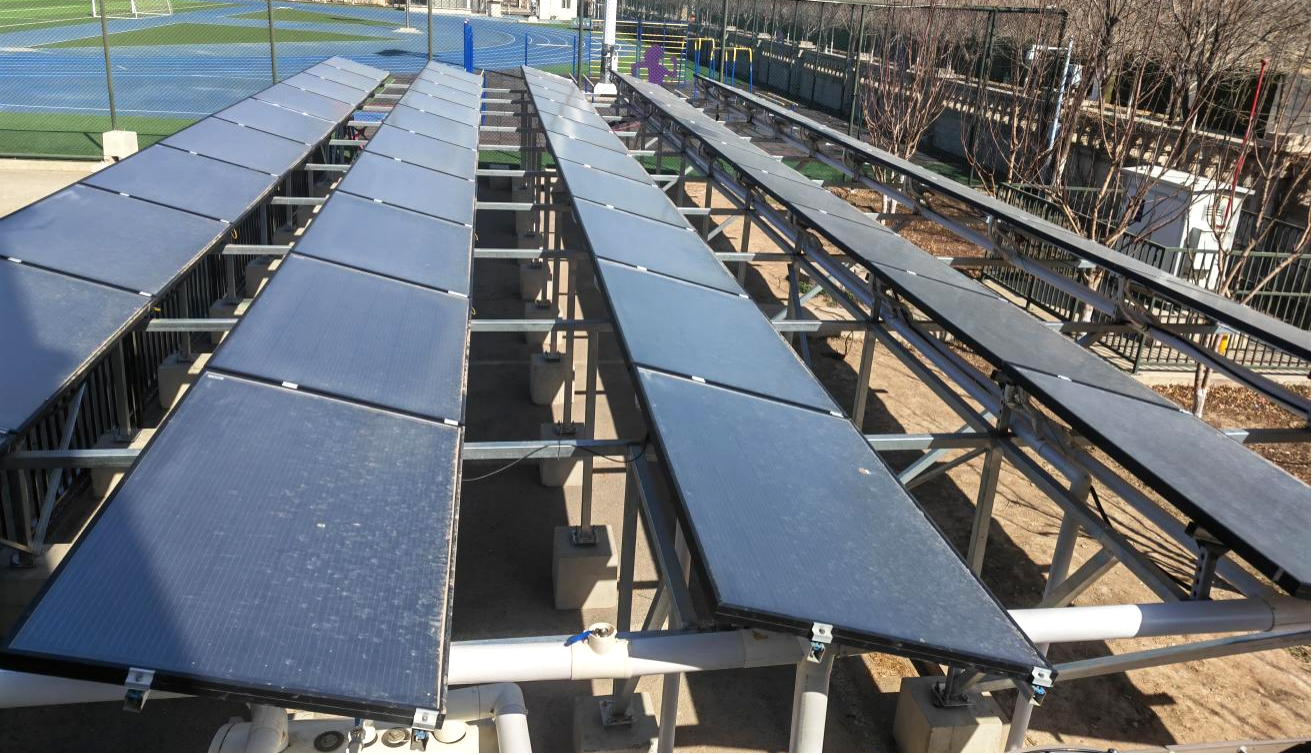
Link APVT to real building energy use: electricity, thermal energy, backup systems and system integration.
For APVT, a generic “how much is it” inquiry is not enough. The sales team needs to know the electrical target, air heating use, airflow requirement, drying or heating schedule, installation area and backup system.
For OEM and distributor inquiries, add target market, annual purchase plan, branding requirement, certification needs and preferred packing information.
An air PVT solar panel is a photovoltaic thermal module that generates electricity from PV cells and captures warm air through an air channel. It is used when a project needs both electricity and low-temperature thermal energy.
APVT-590 is suitable for low-temperature drying, space heating support and ventilation preheating. Typical projects include agricultural drying, industrial warm air preheating, workshops, warehouses, farms and buildings with useful warm air demand.
Air PVT transfers heat through airflow, while water-based PVT transfers heat through water or heat transfer fluid. Air PVT is useful for drying and air heating, while water-based PVT is usually better for domestic hot water, pool heating or hydronic heating.
Moving heat away from the module can support better operating temperature conditions. The product parameter sheet notes that, over the life cycle, photoelectric conversion performance can be improved by 10-15% under suitable system conditions.
The most important data includes project location, installation area, application, required air temperature, airflow demand, duct distance, drying or heating schedule, electrical target and backup heating source.
No. A solar air heater provides warm air but does not generate electricity. APVT-590 is a hybrid product that provides both PV electricity and warm air from the same panel surface.
For a useful proposal, include project location, roof area, required air temperature, airflow demand, application type, operating schedule, backup heat source and expected quantity.