Allons-y Connecter
Nous sommes là pour répondre à vos questions et vous aider à atteindre vos objectifs

Homeowners who have installed cURL Too many subrequests. often wonder about a fundamental question: Is the water heated by my solar system safe to drink? This seemingly simple question has important implications for health, safety, and the practical use of solar-heated water in daily life.
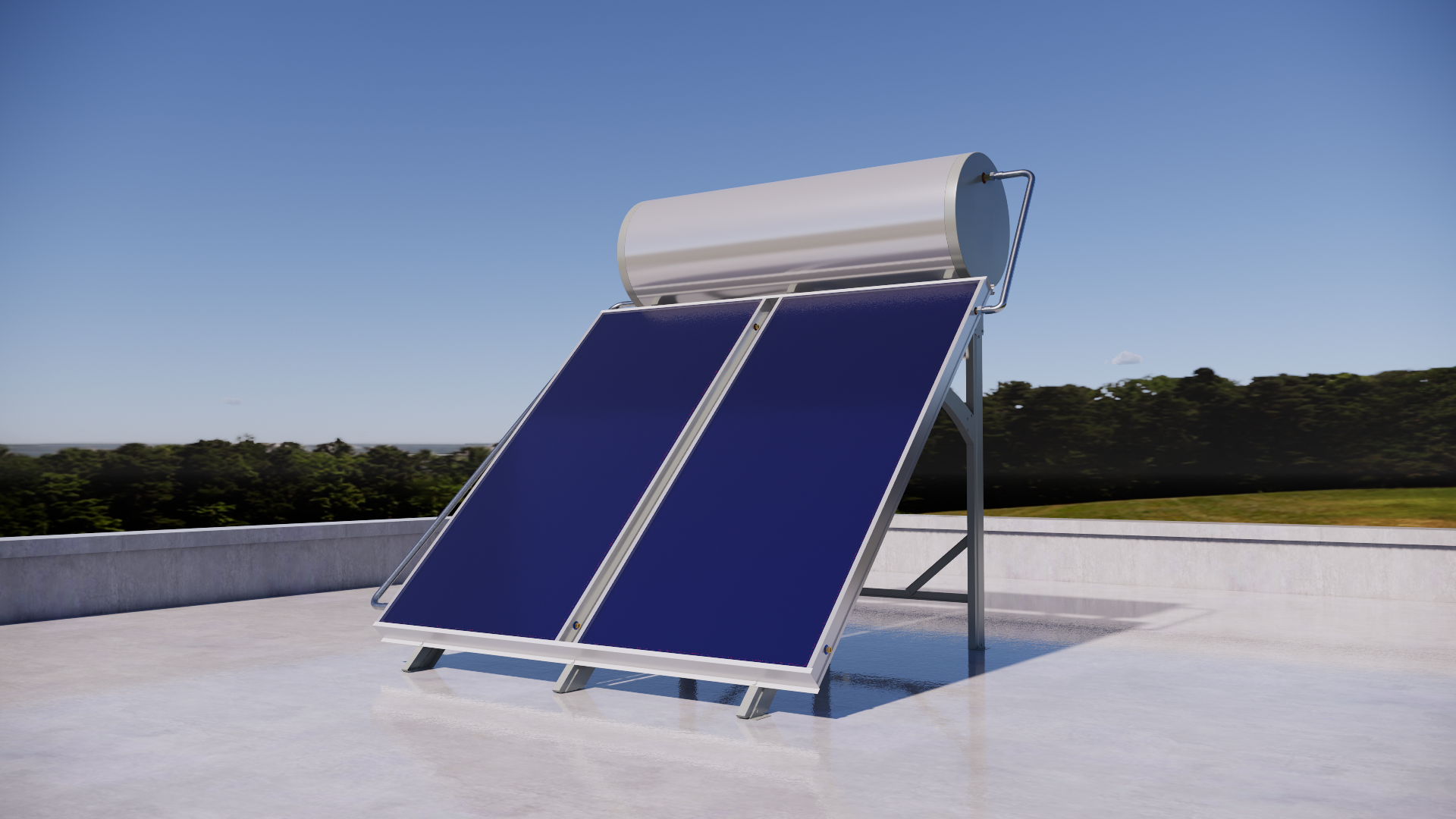
Modern residential solar water heater system
The temptation to use solar-heated water for drinking is understandable. When you need hot water for tea, coffee, or cooking, the readily available hot water from your solar system seems like a convenient option. However, the safety of consuming this water depends on numerous factors including system design, materials, maintenance practices, and water storage conditions.
⚠️ Critical Question
This comprehensive guide examines the water quality considerations for residential solar water heaters, analyzing the materials involved, potential contamination sources, health risks, and best practices for ensuring safe water use.
Shandong Soletks Solar Technology Co., Ltd., with extensive experience in solar water heating technology, provides this detailed analysis to help homeowners make informed decisions about using solar-heated water safely.
A solar water heater is a sophisticated device that converts solar radiation into thermal energy, heating water from ambient temperature to usable hot water temperatures for various household applications including bathing, cleaning, and potentially cooking.
| Type | Market Share | Primary Application | Water Contact |
|---|---|---|---|
| Chauffe-eau Solaires à Tubes Sous Vide | 95% | Residential, small commercial | Direct (integrated) or indirect |
| Flat Plate Solar Water Heaters | 5% | Residential, commercial | Typically indirect |
| Thermodynamic Solar Panels | <1% | Résidentiel | Indirect (refrigerant loop) |
The overwhelming dominance of vacuum tube systems in residential applications makes them the primary focus for water quality considerations.
Key components of vacuum tube solar water heater
Outer glass tube (borosilicate), inner glass tube with selective coating, vacuum space for insulation, water channel through inner tube
Borosilicate glass is chemically inert, non-reactive with water, similar to laboratory glassware, extremely durable
Vacuum tubes themselves do not contaminate water. The glass is food-safe and the coating is isolated from water contact.
The storage tank represents the most critical component for water quality considerations.
| Matériau | Food Safety | Corrosion Resistance | Durabilité | Water Quality Impact |
|---|---|---|---|---|
| SUS304 Stainless Steel | Excellent (food grade) | Excellent | 15-25 years | Minimal if maintained |
| SUS316 Stainless Steel | Excellent (marine grade) | Superior | 20-30 years | cURL Too many subrequests. |
| Enamel-Coated Steel | Good | Good (if intact) | 10-20 years | Good if coating intact |
| Galvanized Steel | Mauvais | Poor in hot water | 5-10 years | Zinc contamination risk |
✓ SUS304 2B Stainless Steel
This is the standard material for quality residential solar water heater tanks:
⚠️ Quality Concern
Not all manufacturers use genuine food-grade stainless steel. Low-cost systems may use inferior materials that can corrode or leach contaminants.
| Seal Quality | Matériau | Temperature Rating | Durée de vie | Contamination Risk |
|---|---|---|---|---|
| Premium | Medical-grade silicone | -40°C to 200°C | 15-20 years | cURL Too many subrequests. |
| Standard | Food-grade silicone | -20°C to 150°C | 10-15 years | Low |
| Economy | Industrial silicone | -10°C to 120°C | 5-10 years | Moderate |
| Poor Quality | Unknown rubber | Limited range | 2-5 years | High (degradation products) |
Potable water flows directly through vacuum tubes. Simpler design, lower cost. Water directly exposed to all collector components.
Heat transfer fluid circulates through collectors. Heat exchanger transfers energy to potable water. Better water quality protection.
Indirect systems offer superior water quality protection by isolating potable water from the solar collection environment. However, properly maintained integrated systems with food-grade materials can also provide acceptable water quality for most uses.
cURL Too many subrequests. cURL Too many subrequests. are available in both integrated and indirect configurations, with all materials selected for water quality and safety.
While the materials used in quality solar water heaters are generally safe, several factors can compromise water quality over time.
⚠️ The Stagnation Problem
Unlike conventional water heaters that are constantly replenished with fresh water, solar water heater tanks may contain water that remains in the system for extended periods, creating ideal conditions for bacterial proliferation.
| Facteur | Optimal for Bacteria | Solar Water Heater Condition |
|---|---|---|
| Température | 20-50°C | Often in this range, especially at night |
| Nutrients | Organic matter, minerals | Present in water supply |
| Oxygen | Oxygène dissous | Present in non-pressurized systems |
| Stagnation | No flow | Common during low-use periods |
| Biofilm substrate | Rough surfaces | Can form on scale deposits |
Causes Legionnaires' disease (severe pneumonia). Thrives at 25-45°C. Spreads through inhalation of water aerosols. Particularly dangerous for elderly and immunocompromised.
Causes skin infections, rashes, folliculitis. Thrives in warm, stagnant water. Resistant to many disinfectants.
Indicators of fecal contamination. Presence suggests inadequate sanitation. Can cause gastrointestinal illness.
| Température | Bacterial Activity | Legionella Status | Recommendation |
|---|---|---|---|
| <20°C | Slow growth | Dormant | Cold water supply (safe) |
| 20-25°C | Moderate growth | Slow multiplication | Avoid prolonged storage |
| 25-42°C | Rapid growth | Optimal growth range | Dangerous—avoid this range |
| 50-55°C | Slow die-off | Survival possible | Marginal safety |
| 55-60°C | Gradual disinfection | 90% kill in 2 hours | Minimum recommended |
| 60-65°C | Effective disinfection | 90% kill in 2 minutes | Good safety margin |
| >70°C | Rapid disinfection | Instant kill | Excellent (but scalding risk) |
✓ Recommended Temperature Strategy
Hard water contains dissolved minerals that precipitate when heated, forming scale deposits.
| cURL Too many subrequests. | Réduction du transfert de chaleur | Efficiency Loss | Restriction du flux | Risque de dommage |
|---|---|---|---|---|
| 0,5 mm | 5-8% | cURL Too many subrequests. | Aucun | Low |
| cURL Too many subrequests. | 12-18% | Moderate | Léger | Moderate |
| cURL Too many subrequests. | 25-35% | cURL Too many subrequests. | Moderate | Élevé |
| >5 mm | 40-60% | cURL Too many subrequests. | cURL Too many subrequests. | cURL Too many subrequests. |
⚠️ Scale-Related Health Risks
| Method | Effectiveness | Frequency | Safety for Drinking Water |
|---|---|---|---|
| Mechanical flushing | Moderate (loose sediment only) | Mensuel | Sûr |
| Vinegar circulation | Good (mild scale) | cURL Too many subrequests. | Safe after thorough flushing |
| Acide citrique | Très bon | cURL Too many subrequests. | Safe after thorough flushing |
| Commercial descalers | Excellent | cURL Too many subrequests. | Follow manufacturer instructions |
| Professional service | Excellent | Tous les 3-5 ans | Safe when properly performed |
⚠️ Critical
Thoroughly flush system after descaling before using water for drinking or cooking. Multiple complete tank volumes should be flushed through.
| Contaminant | Source | Health Risk | Prevention |
|---|---|---|---|
| Insects | Flying insects enter vent | Disease vectors, decomposition | Fine mesh screen on vent |
| Dust and debris | Airborne particles | Particulate contamination | Filtered vent, regular cleaning |
| Fientes d'oiseaux | Birds perch on vent | Bacterial contamination | Vent design prevents perching |
| Pollen and mold spores | Airborne biological material | Allergic reactions | Filtered vent |
| Rainwater | Direct entry or splashing | Dilution, contamination | Proper vent design, weather protection |
⚠️ The Repeated Heating Concern
A significant health concern with solar water heaters is the formation of nitrites and potentially carcinogenic nitrosamines through repeated heating cycles.
| Exposure Level | Health Effect | Severity | Vulnerable Populations |
|---|---|---|---|
| <1 mg/L | No effect | Aucun | - |
| 1-10 mg/L | Potential concern | Low | Infants, pregnant women |
| 10-50 mg/L | Methemoglobinemia risk | Moderate | Infants ("blue baby syndrome") |
| >50 mg/L | Acute toxicity | Élevé | All populations |
Realistic Assessment
For properly maintained residential solar water heaters with regular use and adequate temperature control, nitrite/nitrosamine formation is unlikely to pose significant health risk. However, the prudent approach is to avoid using solar-heated water for drinking or cooking, especially for vulnerable populations.
⚠️ The Short Answer: Not Recommended
Official Recommendation: Water from residential solar water heaters should NOT be used for drinking or cooking, even if the system uses food-grade materials.
While the materials in quality solar water heaters are food-safe, multiple factors compromise water quality:
Bacterial contamination, chemical contaminants, potential nitrite exposure, particulate matter, taste and odor issues
Same contamination risks as drinking water. Contaminants may concentrate during cooking. Some contaminants not eliminated by boiling.
Safe with proper temperature control (60°C minimum) and regular maintenance. Extra precautions for vulnerable populations.
Detergents provide additional disinfection. Clothes are dried (heat kills bacteria). No direct consumption or inhalation.
Use detergent and rinse with fresh cold water. Dishwashers generally safe if functioning properly.
Floor cleaning, surface wiping, bathroom cleaning. Cleaning products provide disinfection. No consumption risk.
Better Alternative: Use cold water from the municipal supply or a dedicated drinking water system. Heat water for beverages using a kettle or microwave with fresh cold water.
Tank open to atmosphere through vent. More susceptible to contamination. Drinking water suitability: NOT RECOMMENDED
Sealed tank, no atmospheric exposure. Better water quality protection. Drinking water suitability: STILL NOT RECOMMENDED
Potable water circulates through collectors. More contamination exposure. Drinking water suitability: NOT RECOMMENDED
Potable water isolated from collectors. Better contamination protection. Drinking water suitability: STILL NOT RECOMMENDED
If you wish to use solar-heated water for drinking or cooking, additional treatment is necessary.
| cURL Too many subrequests. | Effectiveness | Cost | Maintenance | Best Application |
|---|---|---|---|---|
| Activated Carbon Filter | Good (taste, odor, chlorine) | Low | Replace every 3-6 months | General improvement |
| Reverse Osmosis | Excellent (95-99% removal) | Moderate-High | Annual membrane replacement | Comprehensive purification |
| UV Disinfection | Excellent (99.99% bacteria/viruses) | Moderate | Annual lamp replacement | Bacterial control |
| Ultrafiltration | Very Good (bacteria, some viruses) | Moderate | Periodic backwashing | Bacterial/particulate removal |
| Distillation | Excellent (nearly all contaminants) | Élevé | Regular cleaning | Maximum purity |
✓ Recommended Multi-Stage System
| Type de système | Coût initial | Annual Maintenance | 10-Year Total Cost |
|---|---|---|---|
| Basic carbon filter | $50-150 | $50-100 | $550-1,150 |
| Under-sink RO system | $200-500 | $100-200 | $1,200-2,500 |
| Whole-house system | $1,000-3,000 | $200-400 | $3,000-7,000 |
Solar water heater for bathing, cleaning, laundry. Conventional water heater or instant heater for kitchen. Cold water supply direct from municipal supply for drinking.
Clear separation of uses. No risk of consuming contaminated water. Simpler than whole-system purification.
Requires separate hot water system for kitchen. Higher energy costs. More complex plumbing.
Choose quality systems with food-grade materials. Proper sizing ensures regular water turnover. Consider indirect systems for better protection.
Maintain 60°C minimum. Weekly thermal disinfection at 70°C. Install thermostatic mixing valves. Monitor temperatures regularly.
Monthly visual inspection. Quarterly flushing. Annual professional service. Every 3-5 years complete descaling.
Daily use prevents stagnation. Avoid oversizing. Implement vacation protocols. Flush first draw after overnight stagnation.
Visual inspection for discoloration. Annual bacterial testing. Monitor water hardness. Professional analysis every 2-3 years.
Replace non-food-grade components. Install better filtration. Add UV disinfection. Upgrade to indirect configuration.
cURL Too many subrequests. residential solar water heater systems are designed with water quality in mind, using food-grade materials and configurations that facilitate proper maintenance.
Pre-treated to drinking water standards. Chlorinated (provides residual disinfection). Regularly tested and monitored. Consistent quality.
Chlorine dissipates in storage (loses disinfection benefit). May contain scale-forming minerals. Temperature and stagnation still allow bacterial growth.
Recommendation: Even with municipal water supply, don't use solar-heated water for drinking without additional treatment.
⚠️ Additional Challenges
Recommendation for Well Water Users
⚠️ Significant Concerns
Rainwater collection systems require comprehensive treatment before use in solar water heaters, and the heated water should still not be used for drinking without additional point-of-use treatment.
The question "Is the water in residential solar water heaters clean?" has a nuanced answer that depends on multiple factors including system design, materials, maintenance, and intended use.
Quality solar water heaters use food-grade materials (stainless steel, glass, food-grade silicone). Materials themselves are safe for water contact. However, material safety alone doesn't ensure water potability.
Multiple factors compromise water quality: stagnation and bacterial growth, scale and sediment accumulation, external contamination through vents, repeated heating and potential nitrite formation.
Drinking/Cooking: NOT SAFE. Bathing/Showering: GENERALLY SAFE. Laundry: SAFE. Dishwashing: CAUTION. General Cleaning: SAFE.
✓ If you want to use solar-heated water for drinking or cooking:
Option 1: Point-of-Use Purification
Option 2: Separate Systems
Option 3: Enhanced Maintenance
Regardless of intended use, follow these best practices:
Solar Water Heaters Are Designed For:
They Are NOT Designed For:
✓ For bathing, cleaning, and laundry:
Properly maintained residential solar water heaters provide safe, clean water that is appropriate for these uses. The environmental and economic benefits make solar water heating an excellent choice for these applications.
⚠️ For drinking and cooking:
Do not use water directly from residential solar water heaters. Instead:
The Bottom Line: The water in residential solar water heaters is clean enough for bathing and cleaning when the system is properly maintained, but not recommended for drinking or cooking without additional treatment. This isn't a failure of solar water heating technology—it's simply a recognition that different applications have different water quality requirements.
By understanding these limitations and following appropriate practices, you can safely enjoy the environmental and economic benefits of solar water heating while protecting your family's health.
Shandong Soletks Solar Technology Co., Ltd. offers high-quality residential solar water heaters with food-grade materials, designed for safe and efficient operation.
We Provide:
Invest in solar water heating for its intended purposes—bathing, cleaning, and laundry—and enjoy the benefits while making informed decisions about water quality for drinking and cooking.

 French
  English
  Arabic
  Czech
Czech  German
  Greek
Greek  Spanish
  Indonesian
  Italian
  Japanese
  Korean
  Dutch
Dutch  Vietnamese
  Turkish
  Thai
Thai  Slovak
  Portuguese
  Russian
  Ukrainian
  Albanian
  Slovenian
  Swedish
  Norwegian
  Myanmar
  Azerbaijani
  Persian
  Lithuanian
  Belarusian
  Finnish