
A solar water heater has fewer moving parts than a boiler, so owners often forget it until something goes wrong. The usual failures are degraded antifreeze, a stuck pressure relief valve, a depleted tank anode, a failed sensor, scale build-up or a broken tube. All of them are slow problems that a short, regular service catches early. This guide explains what to check, how often and who should do it.
Who this guide is for: homeowners, villa and small-building owners, and installers servicing residential and small solar water heaters. If you run a commercial plant such as a hotel, hospital, dormitory or factory, use our commercial solar thermal O&M plan, which sets out a 3/6/12-month facility schedule with action limits and service records.
1. Recommended service intervals at a glance
| When | Who | What |
|---|---|---|
| Monthly (or after storms) | Owner / facility staff | Look at the collectors, tank and pipes; check controller display and pressure gauge; listen for unusual pump noise |
| Before winter (freezing climates) | Owner, or technician for glycol / drainback systems | Confirm freeze protection works; check outdoor pipe insulation; for glycol systems, make sure the last fluid test is current |
| Every year | Qualified solar technician | Full service: fluid test, pressure, relief valves, anode, controls, sensors, insulation, collector and mounting inspection |
| Every few years (as indicated by testing) | Qualified solar technician | Replace heat-transfer fluid when tests show it has degraded; replace anode when depleted; descale where needed |
Intervals vary with system type, water quality, climate and how heavily the system is used. Your manufacturer's installation and maintenance manual is the authority for your specific product. Commercial plants should follow a 3/6/12-month schedule instead; see the commercial solar thermal O&M plan.
2. What owners can check themselves
These checks need no tools and no roof access:
- Controller display. Does it show sensible collector and tank temperatures? On a sunny day the collector should read warmer than the tank while the pump runs. Note any error codes.
- Pressure gauge (pressurized and glycol systems). Compare it with the normal value the installer wrote down. A slow, steady drop usually means a leak or a weeping valve.
- Visible leaks. Look for drips, staining or crusty deposits at tank fittings, valves and pipe joints.
- Collectors, from ground level. Look for broken or cloudy glass, debris, bird droppings, heavy dust, or new shading from growing trees.
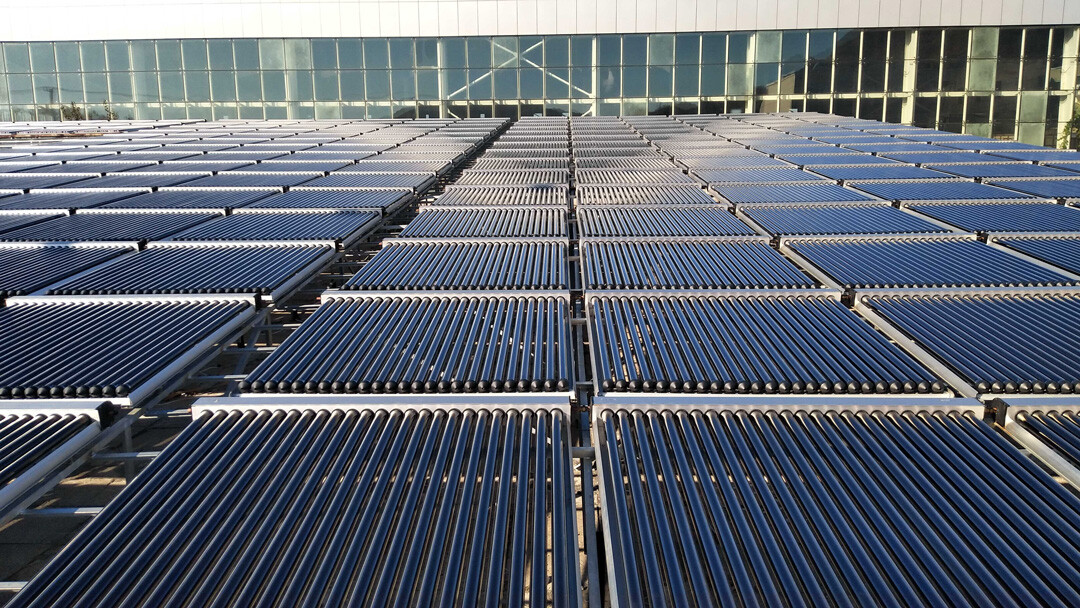
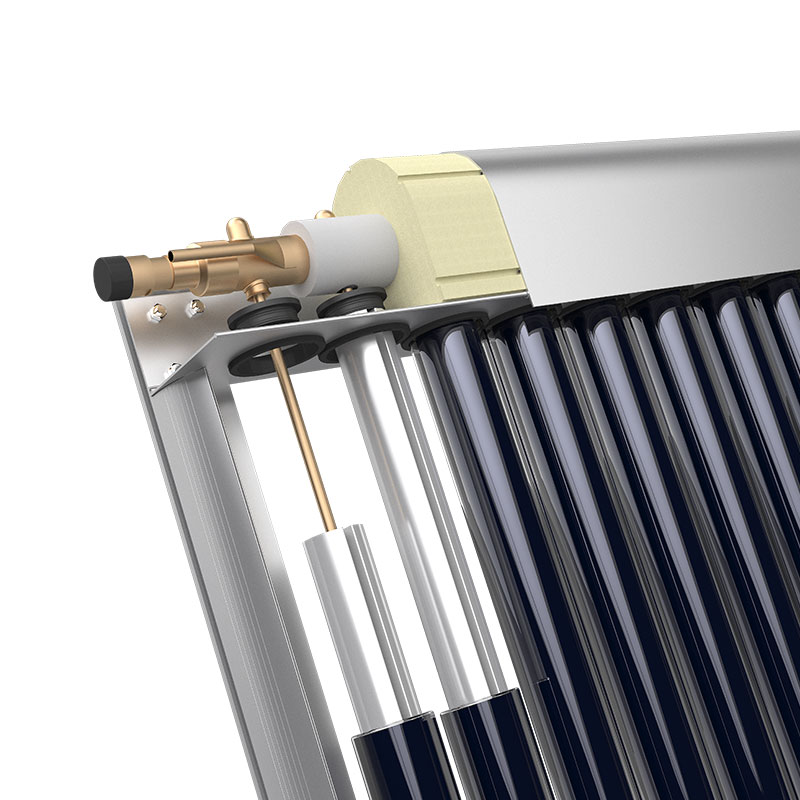
- Evacuated tubes. The silver getter at the end of each tube shows the vacuum is intact. A tube that has turned white or milky has lost its vacuum and should be replaced. Learn more in how evacuated tube solar collectors work.
- Pipe insulation. UV light, birds and weather break down outdoor insulation. Missing or cracked insulation wastes heat and raises freeze risk.
- Hot water performance. If you suddenly rely more on the backup heater on sunny days, something has changed.
Safety first: don't climb onto roofs, open sealed solar loops or work on electrical parts yourself. Solar loops can contain very hot fluid under pressure, collectors can be dangerously hot in sunlight, and hot water above 50 °C can scald.
3. What a technician does at the annual service
For general background on system types and upkeep, see the U.S. Department of Energy's solar water heaters guide. A proper annual service for a pumped solar hot water system should cover:
Solar loop and fluid

- Measure system pressure cold and compare it with the commissioning value.
- Test the heat-transfer fluid (glycol mix): freeze protection level, pH and appearance. Glycol breaks down over time, faster after repeated overheating. Degraded fluid can turn acidic, corrode the loop and lose its freeze protection.
- Check the expansion vessel pre-charge pressure.
- Bleed air from the loop and check air separators and vents.
- Inspect the pump station: pump operation, flow meter reading, check valves and isolating valves.
Tank and water side
- Test the temperature and pressure relief (T&P) valve and check its discharge pipe is clear.
- Inspect the sacrificial anode in enamel or glass-lined tanks, and replace it if heavily depleted. A depleted anode leaves the tank exposed to corrosion.
- Flush sediment from the bottom of the tank and descale heat exchangers and elements in hard-water areas.
- Check the mixing / tempering valve so outlet temperature is safe.
- Check the backup heater and its controls. Confirm solar heat is used first and the backup only tops up.
Collectors and mounting

- Inspect glazing and tubes for cracks, condensation or lost vacuum.
- Clean collectors where dust, salt or pollution has built up, using water and a soft brush. Never apply cold water to hot collectors in full sun.
- Check mounting frames, fixings and roof penetrations for corrosion, loosening and leaks, especially after high winds or snow.
- Check collector sensor wiring and the sensor pocket.
Controls
- Verify temperature sensor readings against a reference thermometer.
- Confirm differential set-points, freeze protection and overheat protection functions.
- Review logged data or heat-meter readings if the system has monitoring.
4. How service needs differ by system type
| System type | Extra service points |
|---|---|
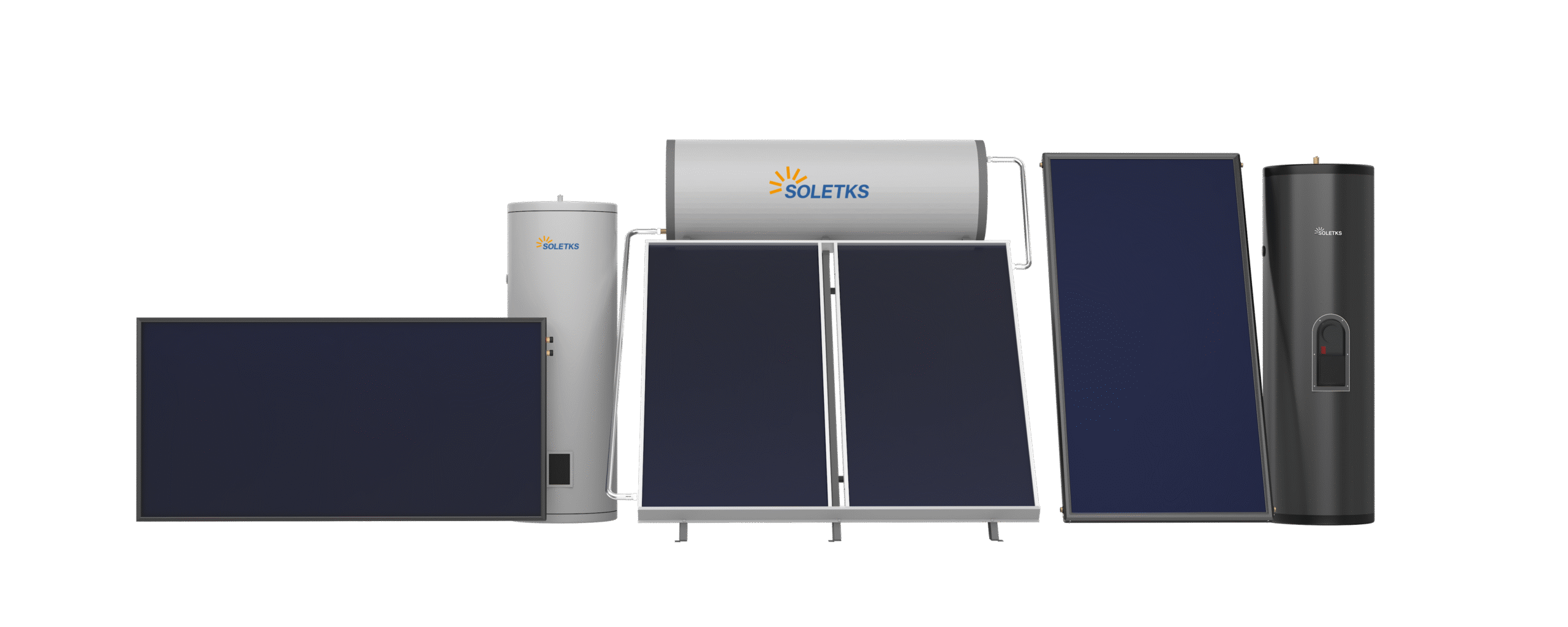
| Thermosiphon (rooftop tank) | Tank on the roof needs safe access; check anode, relief valve, tank supports; in hard water, descale more often |
| Pumped direct (water through collectors) | Scale and sediment in collectors and pipes; freeze-protection valve or function must be tested before winter |
| Indirect closed loop with glycol | Fluid testing every year is essential; check pressure, expansion vessel and signs of overheating that degrade glycol. See glycol loop design |
| Drainback | Confirm the loop drains fully and refills correctly; check the drainback vessel level and pump |
| Heat-pipe evacuated tube | Check tube vacuum (getter colour), heat-pipe seating in the manifold, and manifold insulation; tubes can usually be replaced without draining |
| Water-in-glass evacuated tube | Broken tubes leak and the system must be drained and refilled; check tube seals and scale inside tubes |
5. Conditions that call for more frequent servicing
- Hard water. Scale builds up in direct systems, heat exchangers and tanks. Consider water treatment and more frequent descaling.
- Coastal or industrial air. Salt and pollutants corrode frames, fixings and connections, and dirty glazing reduces output. See coastal solar water heater corrosion maintenance.
- Freezing climates. Check freeze protection before every winter. See freeze protection for solar hot water systems.
- Frequent stagnation. Holiday homes, schools closed in summer, and oversized systems overheat often. That degrades glycol faster, so test the fluid more often.
- Commercial and critical sites. Hotels, hospitals and factories need a written O&M programme: a baseline visit 3 months after commissioning, a seasonal visit at 6 months and a full service every 12 months, with records kept. See the commercial solar thermal O&M plan for the schedule and how to maintain commercial solar water heaters for technician procedures.
6. Warning signs: call for service now
Don't wait for the annual visit if you notice:
- the pressure gauge keeps dropping, or the pressure relief valve is discharging;
- the pump runs at night, never runs, or is noisy;
- the controller shows an error code or impossible temperatures;
- hot water is lukewarm on sunny days, or the backup heater runs much more than usual;
- water leaks at the tank, collectors or roof penetrations;
- broken glass or tubes that have lost their vacuum;
- discoloured, smelly or rusty hot water (see also is the water in residential solar water heaters clean?).
7. Printable annual service checklist
System details: Date: Technician:
| # | Item | OK | Action needed / notes |
|---|---|---|---|
| 1 | Controller: temperatures, error codes, set-points | ☐ | |
| 2 | Collector and tank sensors verified | ☐ | |
| 3 | Solar loop pressure (cold): ______ bar vs commissioning ______ bar | ☐ | |
| 4 | Expansion vessel pre-charge | ☐ | |
| 5 | Heat-transfer fluid: freeze point ______ °C, pH ______ | ☐ | |
| 6 | Air vents / air separator | ☐ | |
| 7 | Pump, flow rate, check valves | ☐ | |
| 8 | T&P relief valve tested; discharge clear | ☐ | |
| 9 | Tank anode inspected / replaced | ☐ | |
| 10 | Tank flushed; heat exchanger descaled (if needed) | ☐ | |
| 11 | Mixing / tempering valve outlet temperature | ☐ | |
| 12 | Backup heater and controls | ☐ | |
| 13 | Collector glazing / tubes; vacuum (getter) check | ☐ | |
| 14 | Collectors cleaned (if needed) | ☐ | |
| 15 | Mounting frame, fixings, roof penetrations | ☐ | |
| 16 | Pipe insulation, indoor and outdoor | ☐ | |
| 17 | Freeze / overheat protection functions | ☐ | |
| 18 | Heat meter / monitoring data reviewed | ☐ |
8. Frequently asked questions
Do solar hot water systems need servicing?
Yes. They are low-maintenance, not maintenance-free. An annual professional service plus simple owner checks keeps fluid, valves, anodes and controls in good condition and helps the system reach its expected service life.
How often should a solar hot water system be serviced?
For most homes, once a year by a qualified technician, with owner checks monthly or seasonally. Glycol systems in harsh conditions, hard-water areas and coastal sites benefit from more frequent inspections. Commercial plants should follow a 3/6/12-month O&M schedule. Check your system manual for the exact intervals.
How often should solar glycol be replaced?
Replace it when testing shows the freeze protection or pH is out of range, not just by the calendar. Glycol lasts several years in a well-designed system but degrades faster with frequent overheating. That's why fluid testing belongs in every annual service.
Can I service my solar hot water system myself?
Owners can do visual checks, read the controller and gauge, and keep the area around the tank clear. Opening the pressurized loop, testing relief valves, replacing anodes and working on the roof should be left to a qualified technician because of high temperatures, pressure and fall risk.
How much does it cost to service a solar hot water system?
Service cost depends on your location, system size and what needs replacing (fluid, anode, valves). Ask a local solar technician for a quote. Regular servicing is usually far cheaper than repairing damage from neglected fluid or a corroded tank.
How long does a solar hot water system last?
Service life depends on product quality, water quality, climate, correct design and maintenance. Regular servicing is the biggest factor you control.