Hotels and Resorts
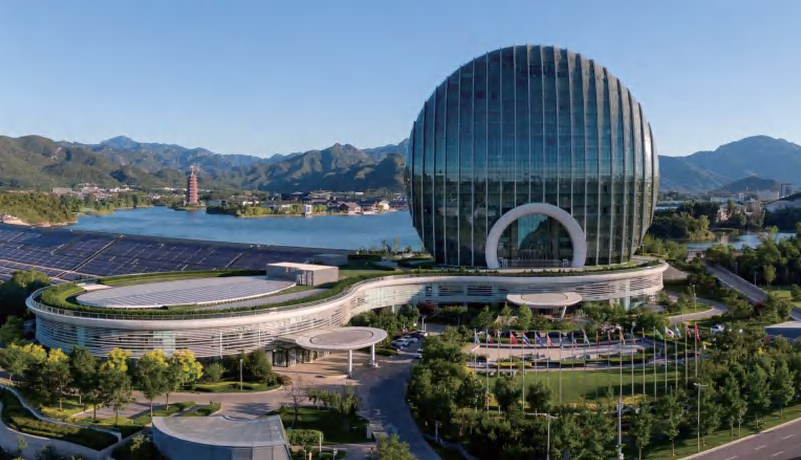
Guest rooms, kitchens, laundries, spas and cleaning areas create repeated morning and evening demand.
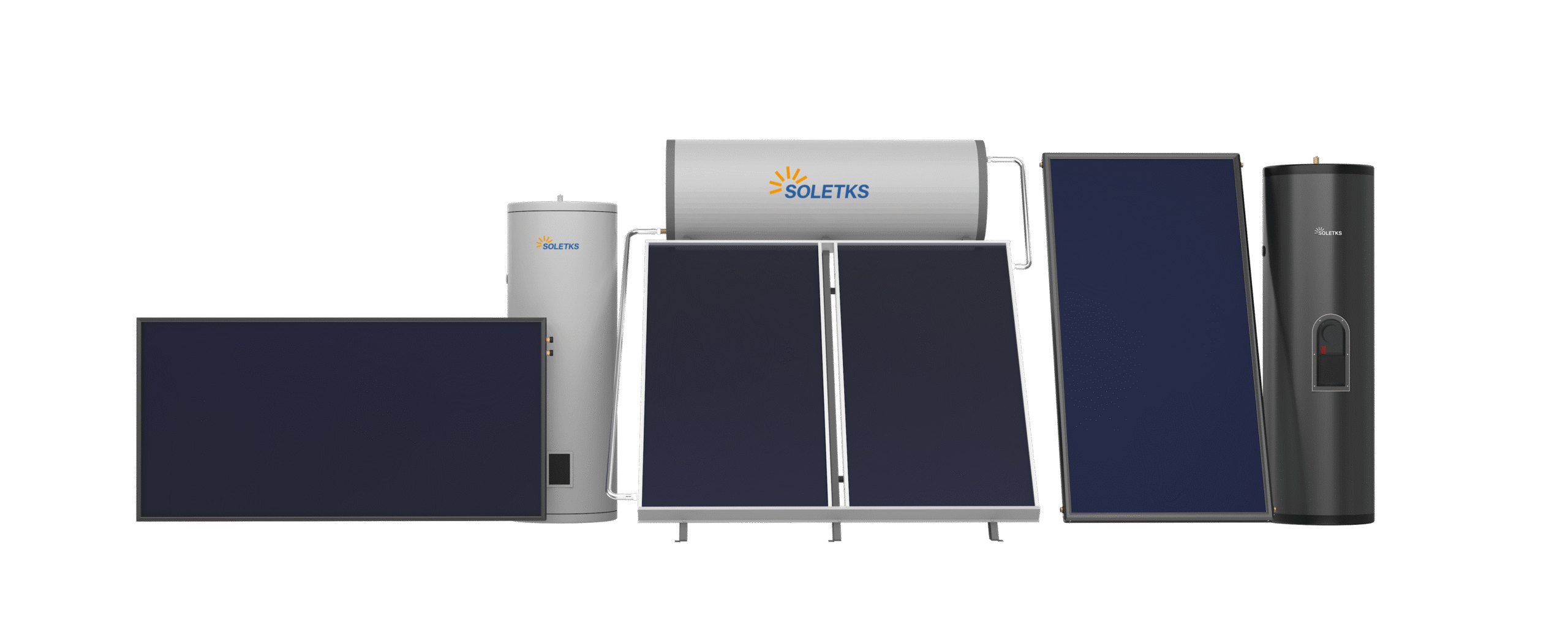
- Flat plate collector arrays
- Large insulated storage tanks
- Boiler or heat pump backup

Turn daily hot water demand into long-term energy savings with a factory-engineered solar thermal system built around real project data: water volume, target temperature, climate, roof area, storage capacity and backup heating.
A commercial solar hot water system uses solar collectors to capture thermal energy from sunlight and transfer it to water through storage and circulation equipment. Unlike a small residential solar water heater, a commercial system is engineered around daily water consumption, peak demand, building usage patterns, climate, installation space and backup energy.
Guest rooms, kitchens, laundries, showers, cleaning lines, dormitories, hospitals and industrial washing processes need hot water every day. That makes solar thermal a practical investment when the system is sized to real consumption.
The best commercial solar hot water projects are not chosen by product name alone. They are selected by building type, daily volume, target water temperature and peak usage pattern.
Guest rooms, kitchens, laundries, spas and cleaning areas create repeated morning and evening demand.
Reliability, hygiene and backup planning are more important than simple equipment cost.
Centralized buildings usually have strong evening peaks and repeated student shower demand.
Solar thermal can support process preheating, washing, canteen hot water and cleaning lines.
Continuous warm water demand makes solar thermal valuable when energy prices are high.
One centralized system can serve multiple users while reducing long-term utility cost.
| Konfigurasi | Best For | Key Benefit | Related SOLETKS Page |
|---|---|---|---|
| Flat plate solar hot water system | Hotels, hospitals, schools and factories | Durable, stable and easy to maintain | Kolektor Surya Pelat Datar |
| Evacuated tube solar hot water system | Cold climates and higher temperature demand | Lower heat loss and strong winter performance | Pengumpul Tabung yang Dievakuasi |
| Split solar water heating system | Buildings with layout limits or roof load concerns | Flexible tank and collector placement | Pemanas Air Surya Split |
| Solar + heat pump hybrid system | All-weather commercial hot water projects | Higher reliability and lower backup energy cost | Sistem Surya Hibrida |
| Solar + boiler retrofit | Existing buildings with gas, diesel or electric boilers | Reduces fuel consumption while keeping backup capacity | Engineering Service |
Collectors, storage tanks, circulation pumps, controllers, heat exchangers and backup heating must work together to deliver stable hot water during real operating conditions.
A correct quotation should begin with daily hot water volume, target outlet temperature, cold water temperature, peak demand time, installation area and backup heating method.
Daily heat demand = water volume x temperature rise x specific heat capacity
| Input | Mengapa Penting |
|---|---|
| Project city and country | Solar radiation, climate and freeze protection depend on location. |
| Daily hot water volume | Determines thermal load and storage capacity. |
| Target water temperature | Defines temperature rise and energy demand. |
| Peak demand time | Important for tank and circulation design. |
| Available roof or ground area | Limits collector layout and solar contribution. |
| Existing heat source | Determines boiler, electric heater or heat pump integration. |
The final system size must be calculated from real project data. This example shows the decision logic a buyer should expect from a serious supplier.
A 120-room hotel with 75% occupancy may require about 18,000 liters of hot water per day. Morning and evening peaks determine tank capacity and circulation design.
If inlet water is 15 deg C and target water is 55 deg C, the system must support a 40 deg C temperature rise. Location and season directly affect this load.
The existing gas boiler remains as backup. Solar collectors preheat water first, and the boiler supplies the remaining heat during cloudy days or peak demand.
Flat plate systems are suitable for many commercial projects because they are durable, stable and easy to maintain.
Evacuated tube collectors are useful when heat loss control and winter output are more important.
Solar thermal and heat pumps can work together for all-season commercial hot water.
Solar thermal can reduce boiler workload without replacing the whole mechanical system.
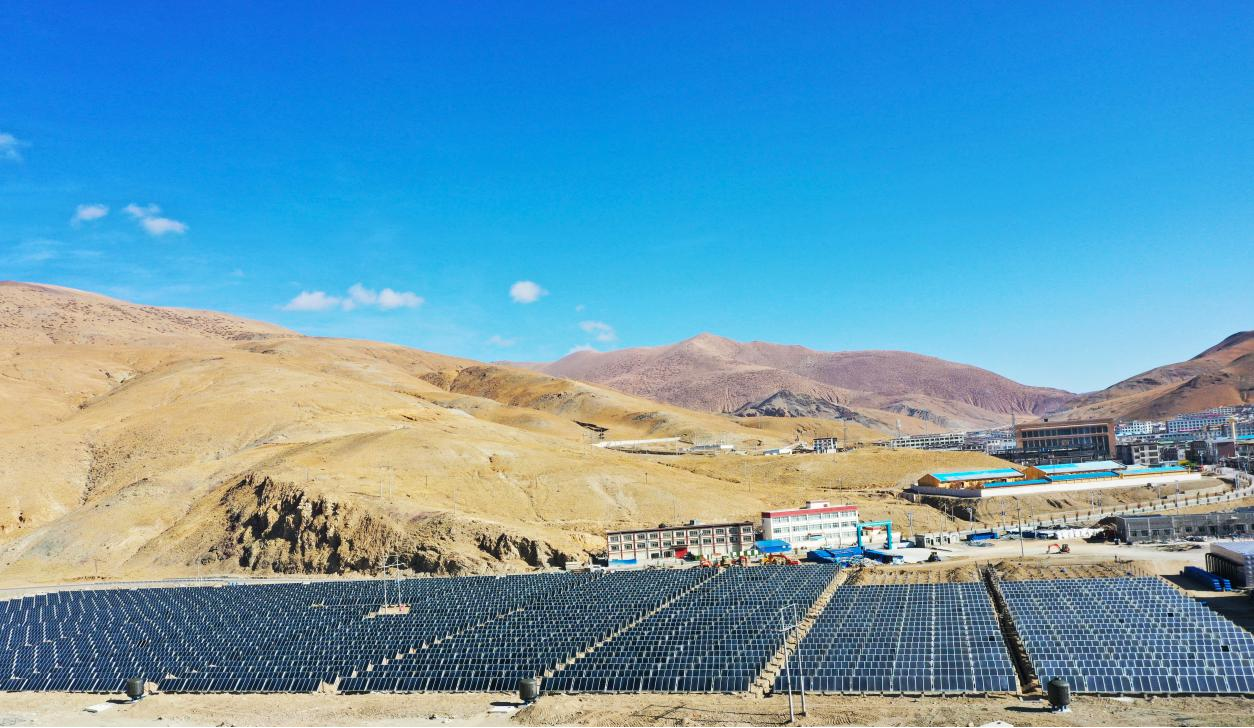
Large-scale flat plate collector application for centralized heating in high-altitude conditions.
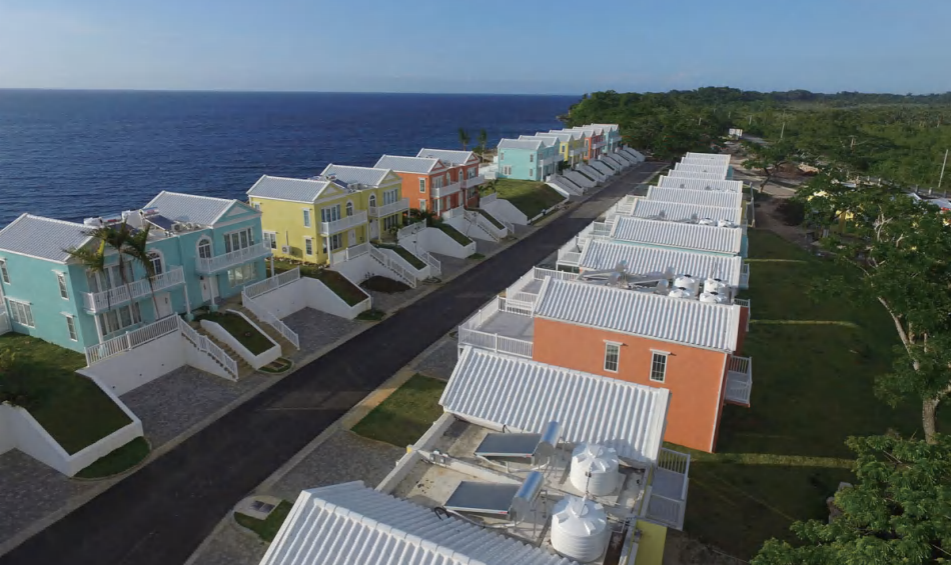
Solar water heaters provide daily hot water for resort villa applications.
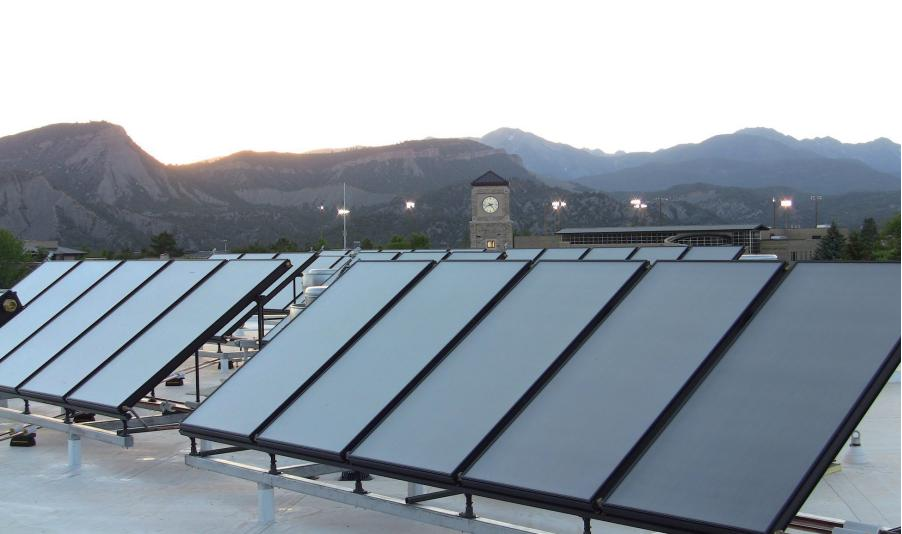
Engineering-grade collectors configured for reliable commercial hot water supply.
A serious quotation needs enough information to estimate collector area, tank capacity, circulation design and backup integration. This improves inquiry quality and helps SOLETKS respond with a technical proposal.
For distributors, also request product data sheets, installation manuals, packing details, certificate documents and OEM cooperation profile.
Product data sheet, collector performance information, tank specification and system layout example.
Installation guide, packing list, maintenance checklist and connection diagrams for local contractors.
Warranty terms, project references, certificate documents and OEM cooperation profile for distributors.
A solar water heater can refer to a small residential product. A commercial solar hot water system is a complete engineered solution with collector arrays, storage tanks, pumps, controls, heat exchangers, backup heating and project-specific installation design.
Flat plate collectors are durable and suitable for many commercial projects. Evacuated tube collectors can perform better when higher temperatures or colder climates are involved. The best choice depends on climate, required temperature, roof area, budget and maintenance preference.
Yes. Many commercial projects use solar energy as a preheating system. The boiler remains as backup and supplies additional heat when solar energy is not enough.
Roof area depends on daily hot water demand, local solar radiation, collector efficiency and target solar contribution. For accurate sizing, provide your daily water usage and project location.
Yes, with the right configuration. Cold-climate systems may use closed-loop circulation, anti-freeze fluid, heat exchangers, insulation and intelligent control.
Please provide project location, building type, daily hot water volume, required temperature, available installation area, existing heating system and any technical requirements.
Send SOLETKS your daily water demand, project location and target temperature. The team can help recommend collector type, storage capacity and backup integration.