PVT-Eタイプソーラーパネル
A balanced photovoltaic thermal panel for buyers who want PV power with practical heat recovery.
- Best for residential and commercial roofs
- Good for domestic hot water support
- Useful when electrical output remains the main priority

Generate electricity and useful heat from the same roof area. SOLETKS PVT solar panels combine photovoltaic power generation with solar thermal collection for buildings that need both power and reliable low-carbon heat.
A PVT hybrid solar system, also called a solar PV-T system or photovoltaic thermal system, uses one panel to produce both electricity and heat. The PV layer generates power, while the thermal layer removes heat from the panel and transfers it to water or another heat transfer loop for domestic hot water, space heating, pool heating or heat pump support.
Standard PV turns sunlight into electricity but most of the heat on the panel is wasted. A PVT panel captures part of that heat and sends it to a thermal circuit, so the same installation area can support building loads on both the electrical side and the heating side.

The best PVT choice depends on whether the project values electrical output, thermal output, heat pump integration, total energy yield or OEM product positioning.
A balanced photovoltaic thermal panel for buyers who want PV power with practical heat recovery.
A stronger thermal-output option for hotels, hospitals, apartments, pools and heat pump systems.
A premium engineering option for advanced hybrid solar projects and high-value green buildings.
PVT should not be treated as only a PV panel with pipes. Good design balances electrical yield, thermal yield, flow rate, storage temperature, heat pump logic and backup energy.
Do not sell PVT as a universal replacement for PV or solar thermal. Buyers trust a page more when it explains where PVT is the better fit and where another technology may be simpler.
| Question | Standard PV | 太陽熱 | PVT Hybrid Solar |
|---|---|---|---|
| Produces electricity? | Yes | No | Yes |
| Produces usable heat? | No, panel heat is mostly wasted | Yes | Yes |
| Best buyer | Electricity-only projects | Dedicated hot water projects | Buildings needing power and heat |
| Roof area efficiency | Good for power | Good for heat | Strong for total useful energy |
| System design | Electrical design | Thermal design | Electrical plus thermal design |
| Best SOLETKS path | Compare hybrid products | View solar collectors | Request integrated proposal |
Many buyers compare PVT only by PV watts, which undervalues the technology. The commercial logic should include power generation, useful thermal output, reduced boiler fuel, heat pump operating conditions and the value of limited roof area.
Useful PVT value = annual electrical output + annual useful thermal output + roof area value + carbon reduction value
A PVT inquiry should include roof area, electrical target, daily hot water demand, required temperature, heat pump plan and backup heating method.
The page should attract hotel owners, real estate developers, EPC contractors, energy consultants and distributors, not only engineers searching for a panel specification.
Hotels need electricity, domestic hot water, laundry hot water, pool heating and sometimes space heating.
Shared roofs often have limited space but high domestic hot water and common-area power demand.
Public projects need measurable carbon reduction, reliable hot water and documentation for decision makers.
PVT can provide low-temperature heat input or hot water preheating for hybrid heat pump projects.
Factories and farms can use PVT for cleaning, washing, canteen hot water or process preheating.
Buyers searching for PVT solar panel manufacturers may need catalog, samples and private-label support.
| 項目 | Typical Options | なぜ重要か |
|---|---|---|
| Product type | PVT-E, PVT-T, TP/V Pro | Matches product choice to power priority, heat priority or premium project value. |
| Energy output | Electricity plus thermal energy | Helps buyers calculate total useful energy instead of PV watts alone. |
| 用途 | Hot water, space heating, pool heating, heat pump support, process preheating | Confirms whether the thermal output can be used every day. |
| System components | PVT panels, pump station, controller, storage tank, heat exchanger, backup source | Shows that PVT is a system product, not a commodity panel. |
| cURL Too many subrequests. | Inverter, heat pump, boiler, BEMS, monitoring system | Supports EPC and consultant decision making. |
| Documents | Electrical data, thermal data, connection diagram, mounting details, maintenance notes | Creates a strong reason for buyers to submit an inquiry. |
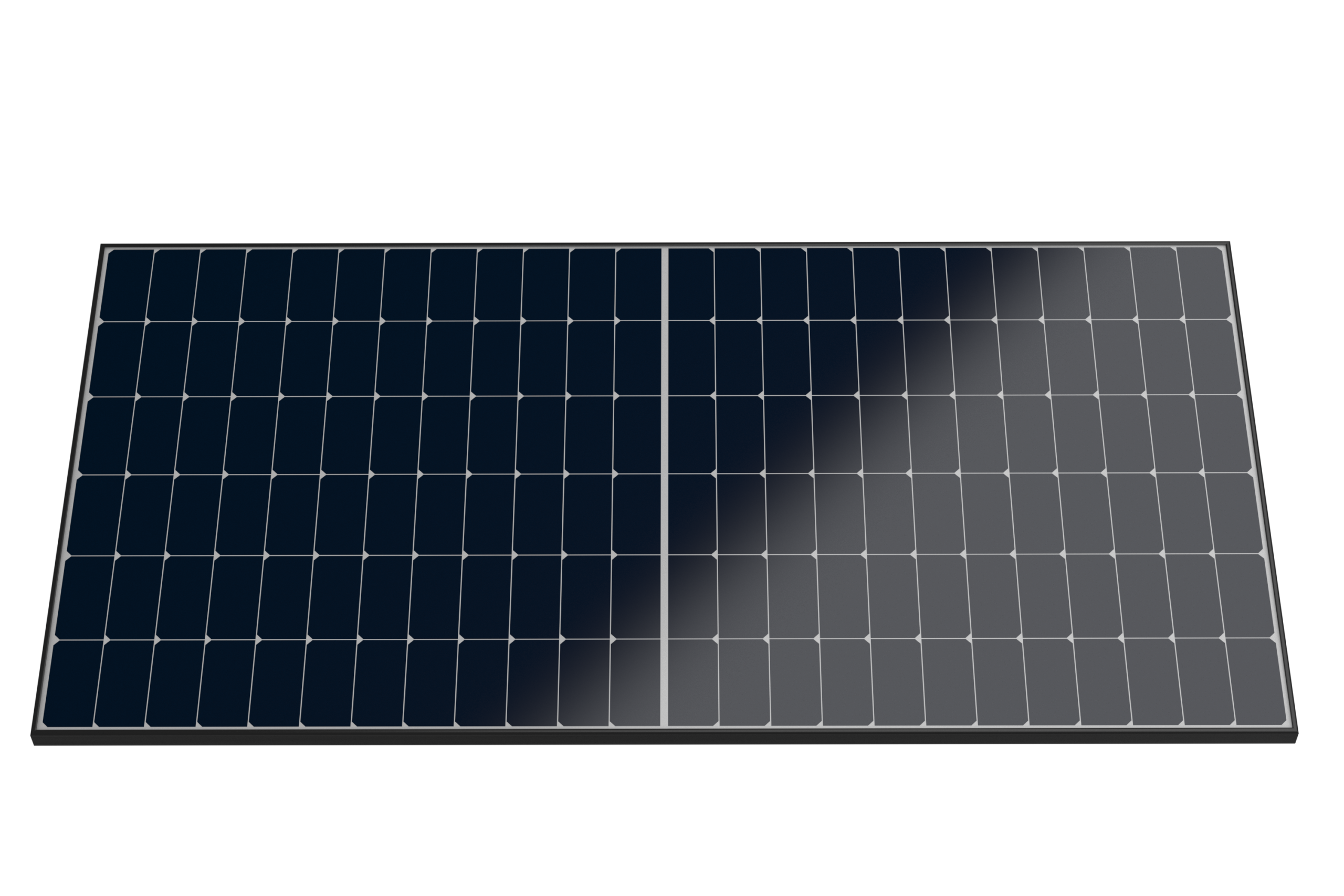
Balanced PVT solar panel for projects where electricity remains the main priority and heat recovery adds value.
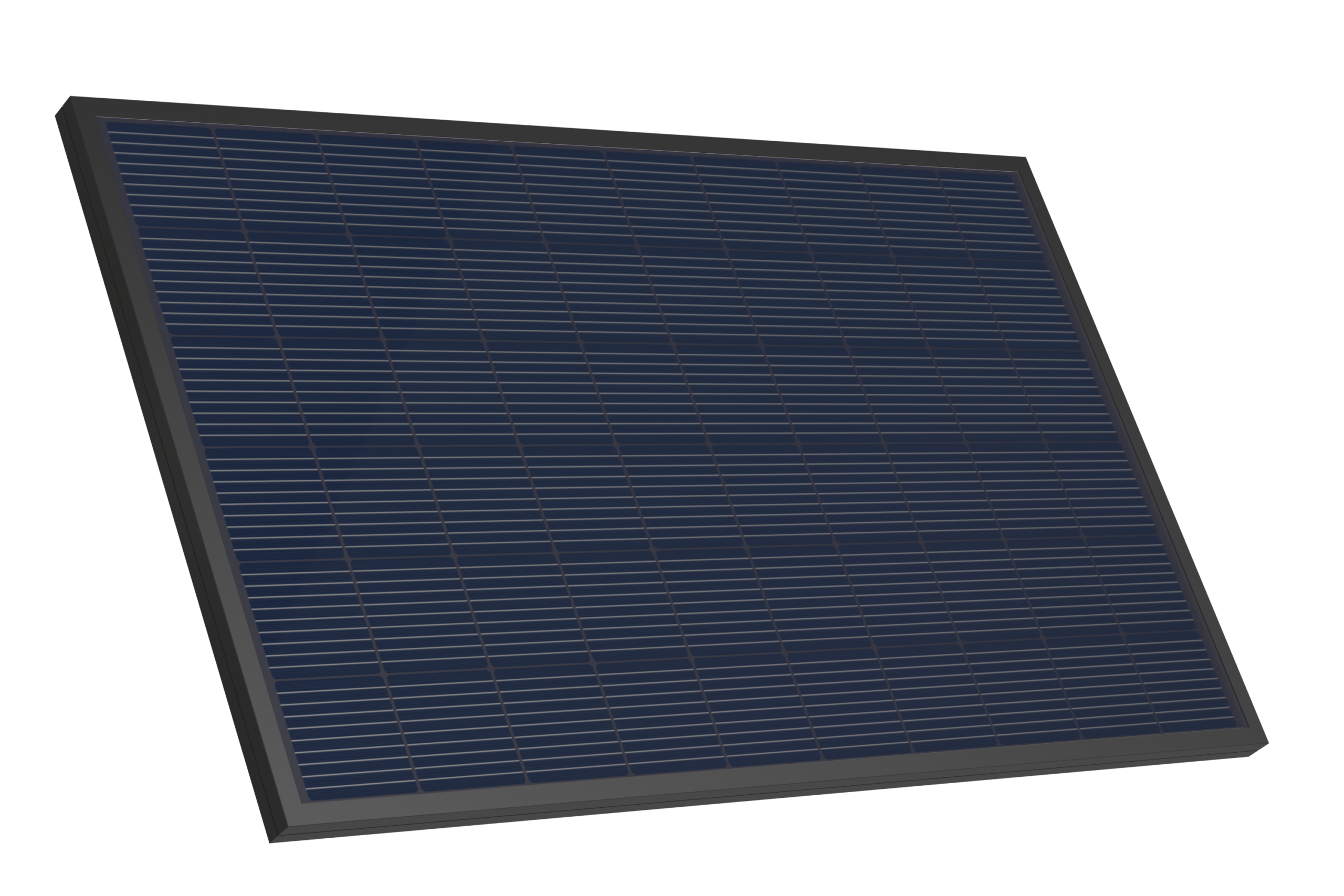
Advanced hybrid solar panel positioning for premium buildings, demonstration projects and engineering buyers.
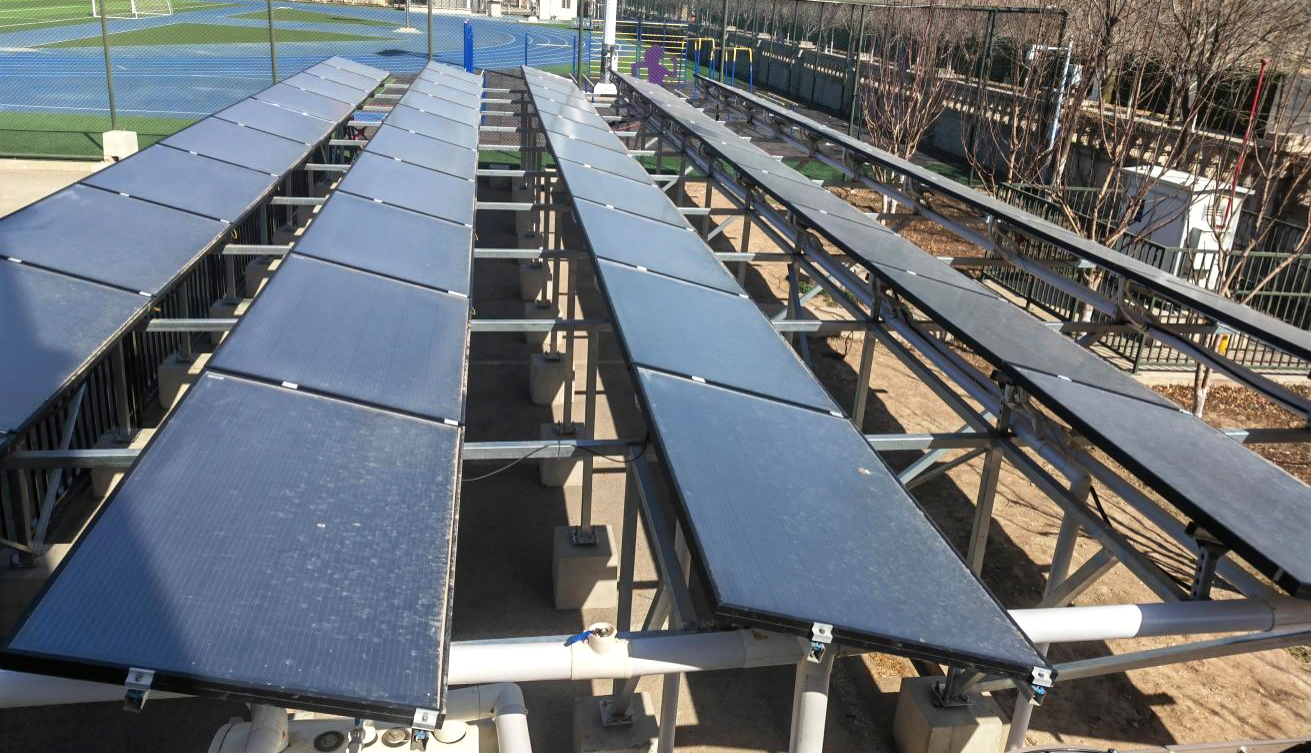
A strong internal link and visual proof point for PVT plus heat pump hybrid energy projects.
A high-ranking product page should not end with a generic contact button. It should tell buyers exactly what to send so your sales team can reply with sizing, product choice and a technical proposal.
For distributors, add annual purchase plan, target market, preferred model, branding requirement and document/certificate needs.
PVT means photovoltaic-thermal. A PVT panel generates electricity through PV cells and captures heat through a thermal collection layer. It produces both power and usable heat from one panel.
PVT is better when the project needs both electricity and heat. If the project only needs electricity, standard PV may be simpler. If the project needs electricity plus hot water or heating, PVT can provide higher total useful energy from the same roof area.
Yes. PVT panels can support heat pump systems by supplying thermal energy to a buffer tank or source loop, depending on the design. This is useful in buildings that need hot water and heating.
PVT-E is a balanced hybrid panel focused on electricity generation with heat recovery. PVT-T gives more emphasis to thermal output while still generating electricity. The right choice depends on the project load.
PVT systems are useful in hotels, apartments, hospitals, public buildings, resorts, pool heating projects and facilities with limited roof area but high demand for both electricity and heat.
Please provide project location, roof area, electricity target, daily hot water demand, required temperature, building type and whether a heat pump or boiler will be integrated.
A strong PVT proposal should include product selection, electrical output logic, thermal use case, system components, backup strategy and documentation for your buyer or project team.