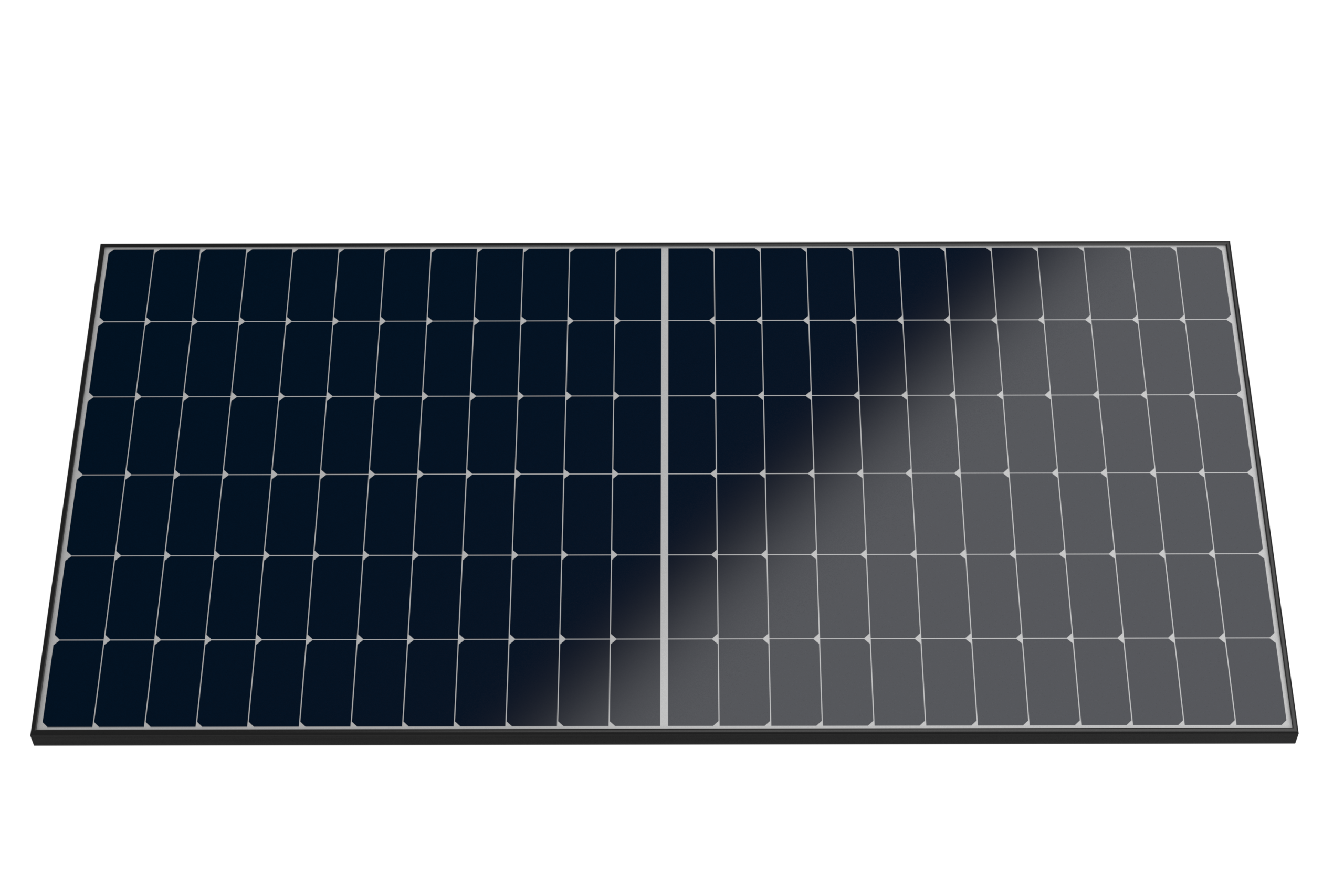
PVT-EElectricity-first

Three hybrid solar directions, three different priorities. Match electricity, heat, roof area, storage and heat-pump integration before choosing a panel.
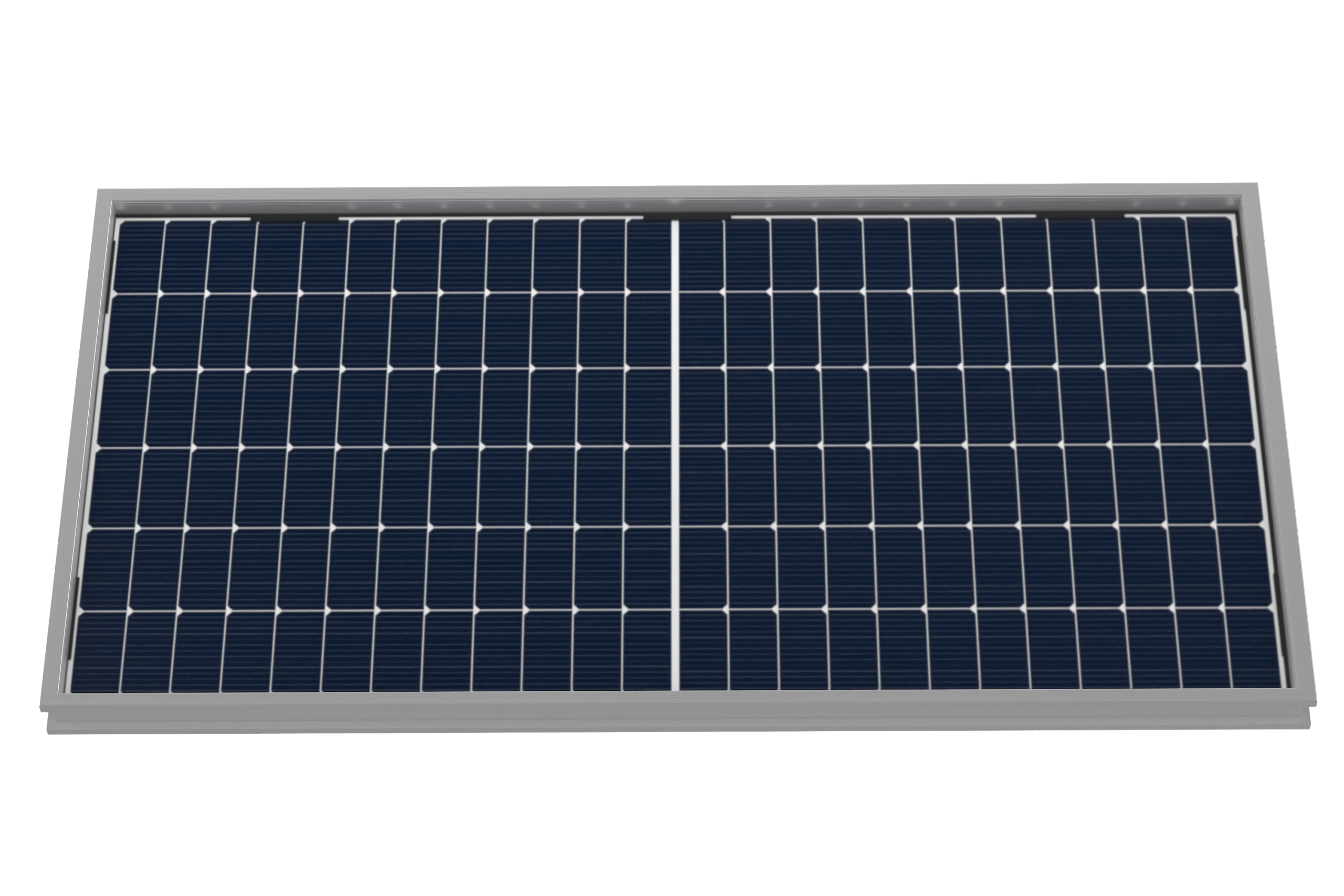
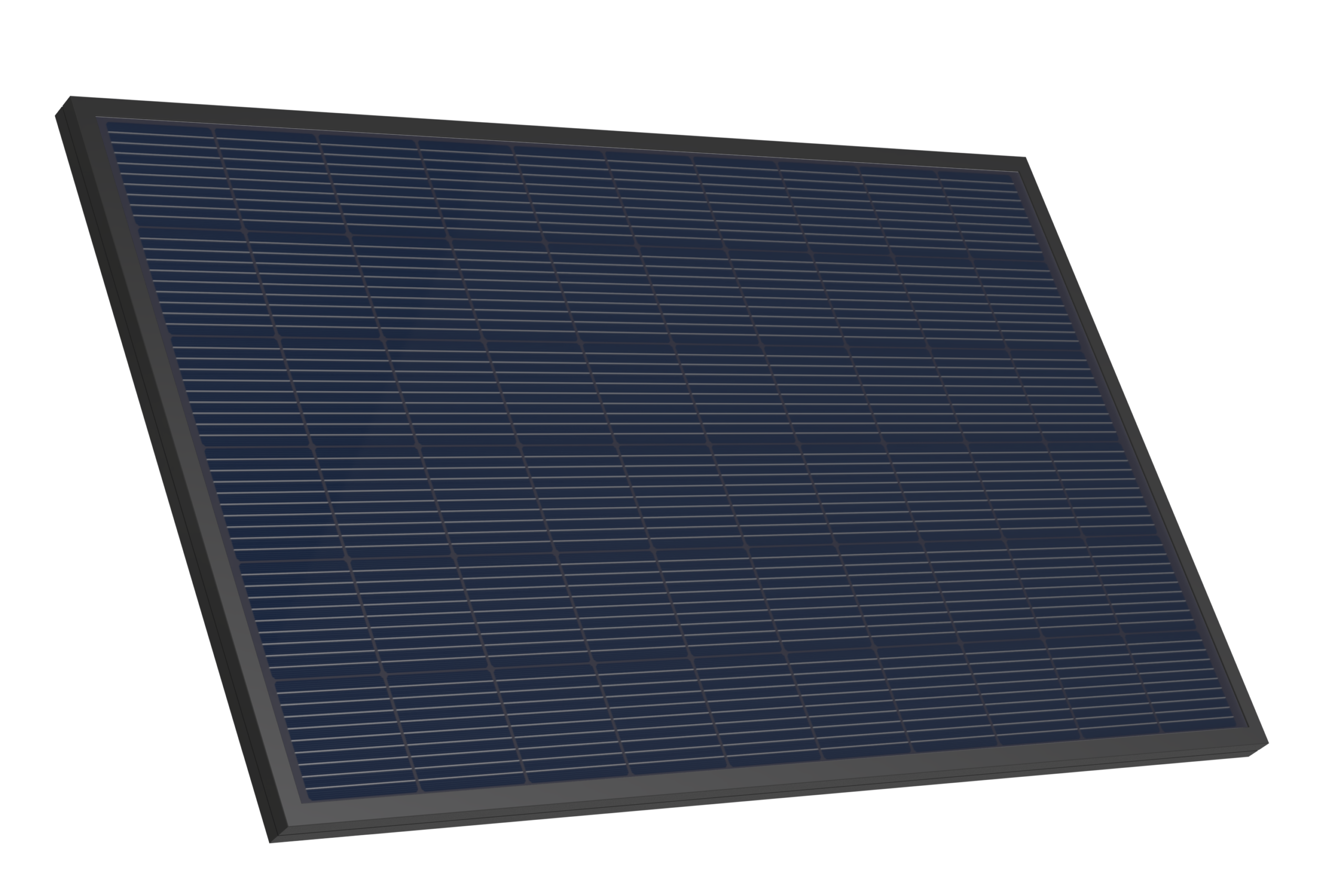
PVT-E, PVT-T and TP/V Pro are three SOLETKS photovoltaic thermal solar panel directions for different project priorities.
PVT-E is the electricity-first PVT option. It is best when PV power is the main value, but the project can also use recovered low-temperature heat for hot water preheating, pool heating, radiant heating support or heat pump assistance.
PVT-T is the thermal-output-focused PVT option. It is best when stable heat demand is central to the project, such as commercial hot water, pool heating, low-temperature radiant heating, cross-season heat storage or direct heating combined with heat pumps.
TP/V Pro, also written as T/PV Pro on some SOLETKS product pages, is the premium engineering PVT option. It is best for projects that need higher total energy value, compact roof-area productivity, verified electrical and thermal parameters, heat pump integration, industrial preheating or a differentiated low-carbon building solution.
The right choice should not be made by product name alone. It should be based on useful heat load, electrical demand, target water temperature, available roof area, storage design, hydraulic design, heat pump or boiler integration and commercial objective.
| Project Situation | Better Product Direction | なぜ |
|---|---|---|
| Electricity is the main value and recovered heat is useful but secondary | PVT-E | Higher PV-side priority with practical heat recovery |
| Daily hot water, pool heating or heating support is a major value | PVT-T | Stronger thermal-output positioning and higher listed peak thermal power |
| Premium villa, hotel, public building, demonstration project or heat pump hybrid system | TP/V Pro | System-ready premium PVT design with combined efficiency and detailed tested parameters |
| Electricity only, no useful heat destination | Standard PV | Lower complexity and usually better fit |
| Heat only, no electricity value | Flat plate or evacuated tube collector | More direct thermal solution |
| Warm air or drying application | Air PVT or solar air collector | Airflow is more suitable than water-based PVT |
PVT stands for photovoltaic thermal. It is also written as PV-T, solar PVT, solar PV-T, hybrid solar panel or photovoltaic thermal panel.
A PVT panel combines two energy functions in one module:
This makes PVT different from both standard PV and standard solar thermal collectors.
| 技術 | Main Output | Best Use | Main Limitation |
|---|---|---|---|
| Standard PV panel | 電力 | Power-only projects | Panel heat is mostly wasted |
| Solar thermal collector | 熱 | Hot water and heating-only projects | No electricity output |
| 太陽光発電と太陽熱利用の分離 | Electricity and heat from two arrays | Projects with enough roof area | Needs more roof space and separate layout |
| PVT panel | Electricity + recovered heat from one surface | Buildings needing both power and useful heat | Needs hydraulic design, storage and real heat load |
PVT is most valuable when the building can use both outputs. If recovered heat cannot be stored or consumed, PVT loses much of its advantage.
This guide uses TP/V Pro because that is the product category wording used in the current article and product navigation. Some SOLETKS pages also write the product as T/PV Pro. In this article, both names refer to the same premium photovoltaic thermal product direction.
Many buyers search for “PVT solar panels” as if every PVT module has the same role. In real projects, that is risky.
A poor PVT selection can cause:
The correct selection starts with the project load profile, not with the product label.
Ask first:
580 W listed PV power
1180 W peak light thermal power
500 W listed PV power
1380 W peak light thermal power
最大 88% combined efficiency
0.6 MPa pressure resistance
The table below uses publicly listed SOLETKS product data to make the comparison more practical for engineers, distributors and buyers.
| 仕様 | PVT-E | PVT-T | TP/V Pro / T/PV Pro |
|---|---|---|---|
| Product direction | Electricity-first dual-output PVT | Thermal-output-focused PVT | Premium professional PVT module |
| Listed total solar utilization / combined efficiency | Over / up to 80% total solar energy utilization | 80% solar energy utilization | Up to 88% combined efficiency |
| PV power | 580 W under STC | 500 W under STC | 336.3 W at 48°C operating condition |
| PV cell type | N-type TOPCon | N-type TOPCon | 単結晶PERC |
| Module / component efficiency | 22.44% | 22.44% | 20.05% module efficiency based on cell area; 23.3% cell efficiency |
| Peak thermal power / thermal performance | 1180 W peak light thermal power | 1380 W peak light thermal power | 71% peak thermal efficiency; CTP 0.71; instantaneous thermal efficiency ≥60% under listed test condition |
| 寸法 | 2279 × 1134 × 45 mm | 2318 × 1175 × 80 mm | 1800 × 1080 × 48 mm |
| 重量 | 39 kg | 66 kg | 38 kg |
| Operating / working temperature | -40°C to 85°C | -40°C to 85°C | -25°C to +80°C; max module temperature 75°C |
| Maximum system voltage | 1500 V | 1500 V | 1500 V |
| 使用圧力 | 0.6 MPa | 0.6 MPa | 0.6 MPa pressure resistance |
| Heat transfer medium | Propylene glycol solution / glycol solution / water | Propylene glycol solution / ethylene glycol solution / water | Confirm fluid and circuit with project design |
| 熱交換器 | Tubular plate type, red copper | Tubular plate type, red copper | S-type flow channel, system-ready thermal design |
| Best-fit role | PV electricity plus usable heat recovery | Stronger hot water, pool, heat pump and heating support | Premium, compact, engineered PVT system |
Selection meaning: PVT-E has the strongest PV-watt positioning in this comparison. PVT-T has the higher listed peak thermal power and heavier thermal structure. TP/V Pro has the clearest premium engineering positioning, tested combined efficiency data and heat pump / industrial application references.
PVT-E is SOLETKS’ electricity-first photovoltaic thermal module direction. It is designed for projects where the buyer values PV power generation, but can also use the recovered thermal energy.
PVT-E is not simply a PV panel with pipes added. Its value comes from using the same roof surface for electricity and useful heat. The rear thermal layer helps capture heat that would otherwise increase module temperature and be wasted.
| 項目 | PVT-E Data |
|---|---|
| Module type | PVT-E mould |
| Outline dimension | 2279 × 1134 × 45 mm |
| Glass size | 2273 × 1128 mm |
| 重量 | 39 kg |
| Maximum power under STC | 580 W |
| 細胞の種類 | Single-crystal multi-busbar N-type TOPCon |
| Cell quantity | 144 cells, 6 × 24 |
| Working temperature | -40°C to 85°C |
| Maximum system voltage | 1500 V |
| Voc | 51.1 V |
| Vmp | 44.45 V |
| Isc | 14.31 A |
| Imp | 13.05 A |
| Component efficiency | 22.44% |
| Peak light thermal power | 1180 W |
| Medium capacity | 1.2 L |
| Medium type | Propylene glycol solution / glycol solution / water |
| 使用圧力 | 0.6 MPa |
| Interface | G1/2 external thread, 2 interfaces |
| Heat exchanger structure | Tubular plate type |
| Heat exchanger material | Red copper |
| Packing | 28 units / tray; 616 units / 40 ft container |
| Listed applications | Low-temperature radiant heating, pool heating, cross-season heat storage and direct heating combined with heat pumps |
PVT-E is usually the better first option when:
Typical projects include villas, apartments, commercial roofs, residential hot water preheating, pool heating and small-to-medium hybrid heat pump projects.
Do not choose PVT-E if:
In those cases, standard PV, PVT-T, TP/V Pro or solar thermal collectors may be more suitable.
Choose PVT-E when the buyer says:
“We want electricity first, but we also want to capture useful heat from the roof instead of wasting it.”
PVT-T is the thermal-output-focused SOLETKS PVT option. It is positioned for projects where hot water, pool heating, radiant heating, heat pump support or cross-season heat storage is not secondary but central to the project value.
Compared with PVT-E, PVT-T has a stronger thermal design logic: higher listed peak thermal power, larger thickness, higher weight and application focus around stable heat demand.
| 項目 | PVT-T Data |
|---|---|
| Module type | PVT-T mould |
| Outline dimension | 2318 × 1175 × 80 mm |
| 重量 | 66 kg |
| Maximum power under STC | 500 W |
| 細胞の種類 | Single-crystal multi-busbar N-type TOPCon |
| Cell quantity | 144 cells, 6 × 24 |
| Working temperature | -40°C to 85°C |
| Maximum system voltage | 1500 V |
| Voc | 51.1 V |
| Vmp | 44.45 V |
| Isc | 14.31 A |
| Imp | 13.05 A |
| Component efficiency | 22.44% |
| Peak light thermal power | 1380 W |
| Medium capacity | 1.2 L |
| Medium type | Propylene glycol solution / ethylene glycol solution / water |
| 使用圧力 | 0.6 MPa |
| Interface size and quantity | φ22, 4 interfaces |
| Heat exchanger structure | Tubular plate type |
| Heat exchanger material | Red copper |
| Back panel material | Color-coated panel |
| Listed applications | Low-temperature radiant heating, pool heating, cross-season heat storage and direct heating combined with heat pumps |
PVT-T should be evaluated as both an electrical and thermal product. SOLETKS product pages position PVT-T around these engineering advantages:
PVT-T is usually better when:
Typical projects include hotels, schools, dormitories, hospitals, apartments, resorts, public buildings, commercial hot water systems, pools and heat pump hybrid systems.
Do not choose PVT-T if:
For heat-only projects, flat plate or evacuated tube solar collectors may still be a more direct solution. For electricity-first projects, PVT-E may be more suitable.
Choose PVT-T when the buyer says:
“The project needs reliable heat every day, and electricity is an additional benefit.”
TP/V Pro, also written as T/PV Pro, is SOLETKS’ premium professional PVT module direction. It is designed for projects that need a more engineered, system-ready and high-value hybrid solar product.
It should not be sold as a commodity panel. It should be sold as part of an integrated energy system involving electricity, useful heat, storage, heat pump support, industrial preheating or premium low-carbon building design.
| 項目 | TP/V Pro / T/PV Pro Data |
|---|---|
| Product direction | High-efficiency photovoltaic thermal hybrid module |
| 電力 | 48°Cで336.3 W |
| 総合効率 | 最大 88% |
| 最大熱効率 | 71% peak |
| 瞬間熱効率 | ≥60% under listed test condition |
| CTP level | 0.71 |
| Test condition listed | G = 800 W/m² |
| セル効率 | 23.3% |
| Module efficiency | 20.05%, based on cell area |
| 細胞の種類 | 単結晶PERC |
| Cell model | DMDB9B166 |
| Cell size | 166 × 60 mm |
| Voc | 41.676 V |
| Isc | 11.275 A |
| Vmp at 48°C | 34.126 V |
| Imp at 48°C | 9.859 A |
| Maximum system voltage | 1500 V |
| シリーズヒューズの定格 | 20 A |
| アプリケーションクラス | クラスA |
| 寸法 | 1800 × 1080 × 48 mm |
| 重量 | 38 kg |
| Back sheet | TPT ブラック |
| フレーム | Black anodized aluminum |
| 接続箱 | IP68 rated |
| Output cable | 4 mm², ±300 mm |
| コネクター | MC4 compatible |
| Operating temperature range | -25°C ~ +80°C |
| Maximum module temperature | 75°C |
| 耐圧性 | 0.6 MPa |
| Listed lifespan | cURL Too many subrequests. |
TP/V Pro is strongest when a buyer needs a professional PVT solution rather than a simple panel comparison. Its engineering value includes:
TP/V Pro is suitable when:
Typical applications include premium villas, multi-family domestic hot water, hotels, hospitals, schools, public buildings, heat pump hybrid systems, industrial hot water, process preheating, seasonal storage and semi-off-grid systems.
SOLETKS application references for TP/V Pro include the following project ranges:
| アプリケーション | Reference Range |
|---|---|
| Residential and multi-family DHW | 30-80 m² installation area; 15-40 modules; 40-60 L/person/day at 45-50°C; suitable for 10-40 households |
| Commercial buildings and public facilities | 100-300 m² installation area; 50-150 modules; small hotels 3-5 m³/day hot water; medium facilities 5-15 m³/day |
| PVT + heat pump systems | 50-200 m² PVT area; 10-50 kW heat pump capacity; auxiliary or preheating heat source |
| 産業用予熱 | 200-500 m² or larger installation area; 40-70°C hot water; solar-assisted preheating |
| Seasonal storage and special applications | Zero-energy buildings, agricultural facilities, modular housing, swimming pools and desalination preheating |
These ranges should be treated as screening references. Final sizing depends on solar radiation, roof orientation, inlet water temperature, target temperature, storage volume, hydraulic design and backup heating strategy.
Do not choose TP/V Pro if:
Choose TP/V Pro when the buyer says:
“We need a premium integrated hybrid solar system, not just another PV panel.”
| 要素 | PVT-E | PVT-T | TP/V Pro |
|---|---|---|---|
| Primary value | PV electricity plus useful heat recovery | Useful heat plus electricity | Premium total energy value |
| Electrical priority | Highest among the three by listed STC power | Medium to high | Engineered output at operating condition |
| Thermal priority | 適度 | 高い | High-value integrated thermal system |
| Listed peak thermal figure | 1180 W | 1380 W | 71% peak thermal efficiency / up to 88% combined efficiency |
| Best thermal use | Preheating, pool, low-temperature heat, heat pump assistance | Commercial hot water, pool, radiant heating, heat pump coupling | Domestic hot water, heat pump, industrial preheating, storage, premium systems |
| Best buyer | PV buyer with useful heat load | Hot water or heat pump project owner | Developer, EPC, premium customer, distributor |
| System complexity | 中程度 | Medium to high | 高い |
| Storage importance | Important | Very important | Very important |
| Main risk | Heat not used | Storage or heat-load mismatch | Premium cost without system-level value |
| Alternative if unsuitable | Standard PV | Solar thermal collector or PVT-E | PVT-E, PVT-T or separate PV + thermal |
PVT-E is often suitable for villas where PV electricity is the main objective and domestic hot water or pool heating can absorb recovered heat.
TP/V Pro is better for premium villas where the owner wants a stronger energy story, system integration, clean appearance, heat pump support or a higher-end low-carbon solution.
Ask before quotation: roof area, number of users, daily hot water volume, pool size, target water temperature, existing boiler or heat pump and whether the owner values premium positioning.
PVT-T or TP/V Pro is usually stronger because hotels have daily hot water demand, laundry, kitchen, pool and sometimes spa loads.
PVT-E can still work when the hotel mainly wants PV power and only needs low-temperature heat recovery. But if hot water cost reduction is central to ROI, start with PVT-T or TP/V Pro.
Ask before quotation: number of rooms, occupancy rate, daily hot water volume, laundry or kitchen load, boiler type, storage tank space, roof area and seasonal demand.
PVT-E or PVT-T can work. The decision depends on whether the project prioritizes household electricity, shared-area electricity, centralized domestic hot water or heat pump support.
Storage and peak demand are critical. A PVT system can fail commercially if the panel field produces heat when the building cannot store or use it.
PVT-T is usually the stronger option because shower demand is predictable and often concentrated in daily peaks. TP/V Pro may be selected when the project is a demonstration building, public ESG project or heat pump hybrid system.
PVT-T or TP/V Pro may be considered for domestic hot water, laundry, kitchen and process preheating. However, solar should reduce energy consumption, not replace reliability planning. Hospitals still require backup boilers, heat pumps, redundancy and strict controls.
PVT-T and TP/V Pro are both strong candidates when the building has hot water, heating or ESG demonstration value. TP/V Pro is more persuasive when the project wants visible technical differentiation and engineered performance data.
PVT-E works when electricity is the main output and the recovered heat has a practical destination. TP/V Pro is better when the building owner wants a premium ESG or low-carbon demonstration project.
PVT is useful only when both electricity and low-to-medium temperature heat can be used. If the facility only needs process heat and does not value electricity generation, flat plate or evacuated tube solar thermal collectors may be more direct.
TP/V Pro may be suitable for boiler feed-water preheating, washing, sanitation, food processing and light industrial hot water in the 40-70°C range.
| Heat Load | Better Product Direction |
|---|---|
| No heat load | Standard PV |
| Domestic hot water preheating | PVT-E, PVT-T or TP/V Pro depending on priority |
| プール暖房 | PVT-E or PVT-T |
| Large commercial hot water | PVT-T or TP/V Pro |
| 低温放射暖房 | PVT-E or PVT-T |
| Heat pump source or preheating loop | PVT-T or TP/V Pro; PVT-E for moderate support |
| Industrial preheating at 40-70°C | TP/V Pro or solar thermal, depending on electricity value |
| Cross-season heat storage | PVT-T or TP/V Pro |
| Premium multi-load project | TP/V Pro |
The heat load must be useful, not theoretical. A PVT system should not be selected only because it can produce heat. It should be selected because the project can store, use and monetize that heat.
Before choosing between PVT-E, PVT-T and TP/V Pro, estimate the useful heat load.
Use:
Daily heat demand (kWh) = water volume (L) × temperature rise (°C) × 0.001163
This is a screening calculation. It does not replace full system simulation, solar radiation analysis, storage sizing or hydraulic design.
300 × 30 × 0.001163 = 10.5 kWh/day
If the villa also wants PV electricity and the heat load is moderate, PVT-E may be the first product to evaluate. If it is a premium villa with heat pump, pool and strong design value, TP/V Pro may be more persuasive.
5,000 × 35 × 0.001163 = 203.5 kWh/day
This is a strong daily heat load. PVT-T or TP/V Pro should be evaluated before PVT-E because thermal value is central to the project.
3,000 × 33 × 0.001163 = 115.1 kWh/day
Because the load is predictable, PVT-T is often a strong option. If the project also needs a public low-carbon demonstration or heat pump integration, TP/V Pro may be suitable.
A heat pump project should not be judged only by daily hot water volume. The designer must confirm:
For heat pump projects, PVT-T is often stronger when heat support is central, while TP/V Pro is better when the buyer needs a premium engineered solution with verified parameters and system support.

PVT panels are often paired with heat pumps because recovered solar heat can reduce the heat pump’s temperature lift or improve source-side conditions.
There are two common design paths:
The PVT loop provides low-grade heat to a buffer tank or heat pump source circuit. This can help maintain better source temperature under suitable solar and climate conditions.
Better product direction:
The PVT loop preheats domestic water before the heat pump, boiler or electric heater finishes the final temperature lift.
Better product direction:
Before recommending a product, ask:
| Design Question | なぜ重要か |
|---|---|
| Is PVT heating the source side or preheating domestic water? | These are different hydraulic designs |
| What source temperature does the heat pump need? | Determines whether recovered heat is useful |
| What is the heat pump capacity? | Helps determine PVT area and buffer size |
| Is there a buffer tank? | Stabilizes thermal input and control |
| What happens at night? | PVT heat is solar-dependent |
| What happens in summer? | Excess heat strategy is required |
| How is freeze protection handled? | Important for glycol selection and control |
| What is the backup sequence? | Reliability depends on backup heat |
PVT can support heat pump performance, but actual COP improvement depends on climate, irradiance, operating temperature, source design, flow rate, control logic and backup system. It should not be promised as a fixed number without project calculation.
Many buyers do not only compare PVT-E, PVT-T and TP/V Pro. They also ask whether PVT is better than standard PV, solar thermal or separate PV plus thermal systems.
| オプション | Best When | Limitation |
|---|---|---|
| Standard PV | Electricity is the only useful output | No heat recovery |
| Flat plate or evacuated tube solar thermal collector | Heat is the only useful output | No electricity generation |
| 太陽光発電と太陽熱利用の分離 | Roof area is enough and the project wants separate optimized systems | More roof area, mounting and layout coordination |
| PVT-E | Electricity-first project with useful low-temperature heat | Thermal value must be used |
| PVT-T | Thermal-output-focused project with stable heat demand | Needs good storage and hydraulic design |
| TP/V Pro | Premium integrated project where total energy value matters | Requires system-level design and stronger project value |
PVT economics should include both electrical and thermal value.
A proper economic comparison should count:
If only PV electricity is counted, PVT may look expensive. If recovered heat is truly used, total system value can be stronger.
| Question | Good Sign | Warning Sign |
|---|---|---|
| Does the building use hot water daily? | Hotels, dormitories, hospitals, apartments | Rare or seasonal hot water use |
| Is roof area limited? | PVT can improve total energy per m² | Plenty of area for separate systems |
| Is storage available? | Tank or buffer can absorb solar heat | No storage or no space |
| Is backup heating clear? | Boiler or heat pump sequence defined | No reliability plan |
| Does the buyer value ESG or premium design? | Higher willingness to pay | Only lowest CAPEX matters |
| Can the system be maintained? | Pumps, valves, controls and glycol can be serviced | No maintenance capacity |
PVT-E, PVT-T and TP/V Pro have different priorities. They should not be used interchangeably.
PVT needs useful heat demand. Without it, standard PV may be better.
Recovered heat must be stored or used. Poor storage design can destroy the thermal value of a PVT system.
PVT should be compared by total useful energy, not only PV wattage. A lower PV watt product may still deliver stronger system value if thermal energy is valuable.
PVT can support heat pumps, but COP improvement depends on real operating conditions. It should not be stated as a fixed number without project calculation.
If the building has less summer heat demand, the system needs a plan for pool heating, load shifting, storage, heat rejection or safe stagnation management.
A PVT quotation without daily hot water volume, target temperature, storage size and roof data is usually too rough for serious engineering buyers.
Before asking SOLETKS which PVT product to choose, prepare the following data.
| Project Data | Buyer Information |
|---|---|
| Country and city | To provide |
| 建物の種類 | Villa / hotel / apartment / school / hospital / factory / public building |
| Available roof or installation area | To provide |
| Roof orientation and tilt | To provide |
| Desired PV capacity or electricity target | To provide |
| Daily hot water volume | To provide |
| Cold water inlet temperature | To provide |
| 目標水温 | To provide |
| Pool size, if any | To provide |
| Existing heat pump or boiler type | To provide |
| Heat pump capacity, if any | To provide |
| Storage tank or buffer tank volume | To provide |
| Seasonal heat demand | To provide |
| Main project goal | Savings / ESG / premium building / demonstration / OEM distribution |
| Budget level | To provide |
| Photos, drawings or layout plan | To provide |
| Preferred product direction, if known | PVT-E / PVT-T / TP/V Pro / not sure |
Copy this table and send it to SOLETKS. With this data, SOLETKS can compare PVT-E, PVT-T, TP/V Pro, standard PV or solar thermal collectors based on the actual project.
Send your roof area, number of users, daily hot water volume, pool size, target water temperature and whether you have a heat pump. SOLETKS can check whether PVT-E or TP/V Pro gives better value.
Send your number of rooms, occupancy rate, daily hot water volume, laundry or kitchen load, roof area, boiler type and storage tank space. SOLETKS can compare PVT-T and TP/V Pro for hot water and electricity value.
Send heat pump capacity, source-side temperature target, buffer tank volume, climate data, daily heat demand and backup system. SOLETKS can evaluate whether PVT-E, PVT-T or TP/V Pro should act as source-side support or domestic water preheating.
Send target market, annual purchase plan, certification requirements, product positioning, expected container quantity and branding needs. SOLETKS can provide product direction and technical documentation for PVT product-line planning.
Use internal links to help users and search engines understand the product relationship:
This comparison article should also receive internal links from the PVT product category page, PVT hybrid system page, heat pump hybrid article, solar water heater page and commercial hot water solution pages.
SOLETKS PVT-E, PVT-T and TP/V Pro are three photovoltaic thermal solar panel directions for different project priorities. PVT-E is the electricity-first PVT option, with listed 580 W STC power, 22.44% component efficiency and 1180 W peak light thermal power, making it suitable for PV generation with useful heat recovery. PVT-T is the thermal-output-focused option, with listed 500 W STC power, 22.44% component efficiency and 1380 W peak light thermal power, making it suitable for hot water, pool heating, radiant heating and heat pump support. TP/V Pro, also written as T/PV Pro, is the premium engineering PVT option, with listed 336.3 W electrical power at 48°C, up to 88% combined efficiency, 71% peak thermal efficiency, 0.6 MPa pressure resistance and 1800 × 1080 × 48 mm dimensions. If a project has no useful heat load, standard PV is usually more suitable than PVT. If a project only needs heat, a solar thermal collector may be more direct.
PVT-E is electricity-first and focuses on PV generation with useful heat recovery. PVT-T gives more emphasis to thermal output and is better for projects where hot water, pool heating, radiant heating or heat pump support is central.
PVT-E has the higher listed PV power among PVT-E and PVT-T, with 580 W under STC. PVT-T is listed at 500 W under STC. TP/V Pro is listed at 336.3 W at a 48°C operating condition rather than the same STC basis.
PVT-T has the higher listed peak light thermal power among PVT-E and PVT-T, at 1380 W compared with PVT-E’s 1180 W. TP/V Pro is presented with thermal efficiency data, including 71% peak thermal efficiency and up to 88% combined efficiency.
TP/V Pro, also written as T/PV Pro, is SOLETKS’ premium professional PVT product direction. It is suitable for advanced hybrid solar projects, heat pump systems, industrial preheating, seasonal storage and premium low-carbon buildings.
PVT-T is often the stronger choice when heat pump support is a core function. TP/V Pro is suitable for premium or engineered heat pump hybrid systems. PVT-E can support moderate heat recovery when electricity is still the main value.
PVT is better only when recovered heat can be used. For electricity-only projects, standard PV is usually simpler and may be more economical.
PVT is better when the project needs both electricity and heat from limited roof area. If the project only needs heat, a flat plate or evacuated tube solar collector may be more direct.
The biggest risk is installing PVT without a useful heat load, proper storage, hydraulic design and control logic. In that case, the thermal value may be wasted.
SOLETKS needs project location, building type, roof area, PV target, daily hot water volume, cold water temperature, target water temperature, storage tank space, heat pump or boiler plan, seasonal heat demand and project goal.
選択してください PVT-E when the project is electricity-first and recovered heat is useful.
選択してください PVT-T when hot water, pool heating, radiant heating or heat pump support is central to the project value.
選択してください TP/V Pro when the project needs a premium, engineered, high-value PVT solution with stronger system integration, verified parameters and a clearer low-carbon building story.
Do not choose PVT only because it sounds advanced. Choose PVT when the project has both electrical demand and real, usable thermal demand.
Send SOLETKS your project data: country, city, roof area, PV target, daily hot water demand, target water temperature, heat pump or boiler plan, storage conditions and project goal. SOLETKS can help compare PVT-E, PVT-T and TP/V Pro solar panels and recommend the right hybrid solar configuration for your project.
Product and project images load from service.soletksolar.com official URLs. Project references demonstrate SOLETKS experience and should not be interpreted as proof that every project uses every product described. Back to top ↑