
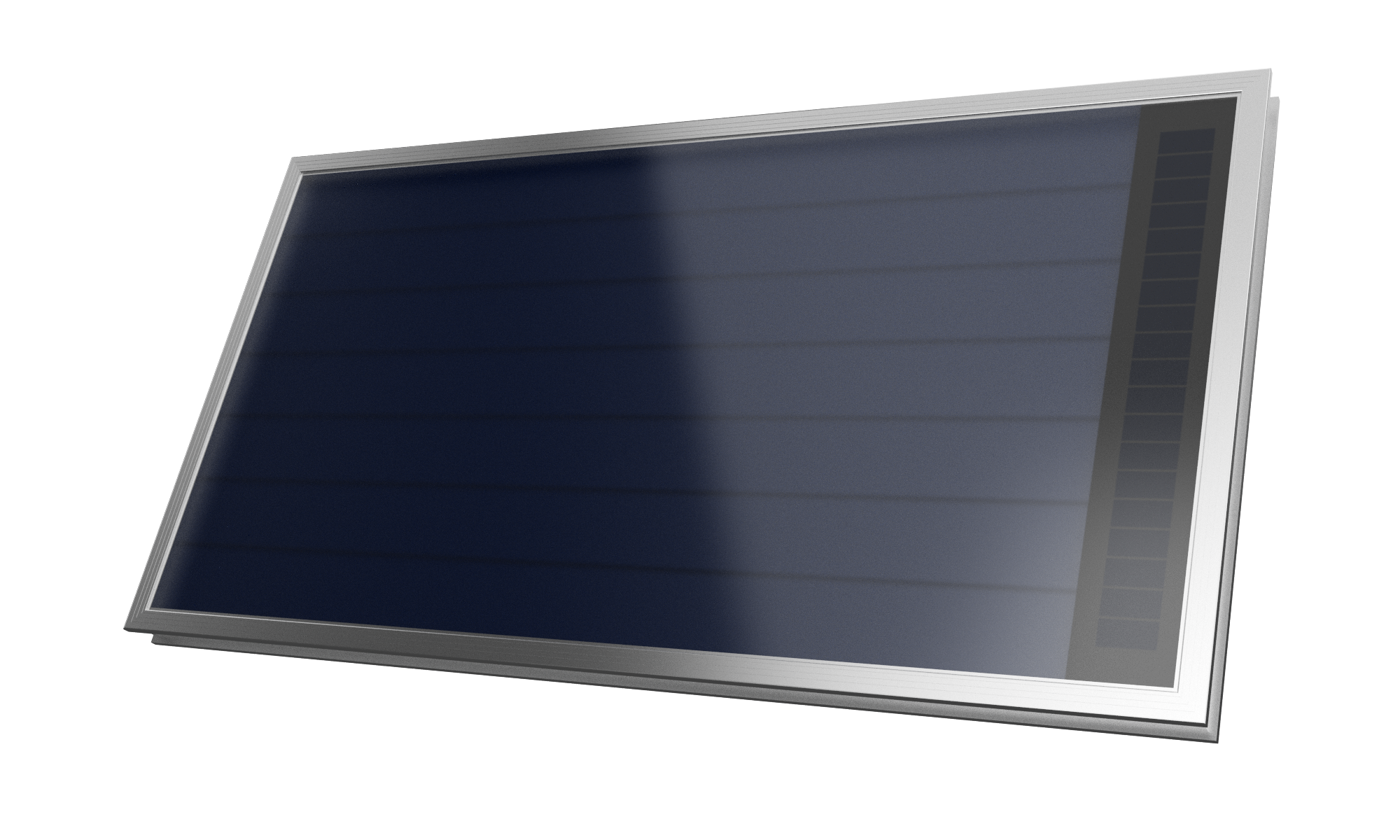
A PVT solar panel, also called a photovoltaic thermal panel or PV-T panel, is a hybrid solar module that produces electricity and collects usable heat from the same surface. It combines PV cells with a thermal absorber so the system can deliver two outputs: electrical power and thermal energy.
What Does PVT Mean?
PVT stands for photovoltaic thermal.
- Photovoltaic means the panel converts sunlight into electricity.
- Thermal means the panel collects heat that can be transferred to water, glycol, air, or another heat transfer medium.
In standard PV modules, heat behind the solar cells is usually released to the environment. In a PVT panel, part of this heat is captured and transferred to a useful thermal load.
This does not mean PVT is automatically better than PV or solar thermal. It means PVT is a different tool for projects that need both electricity and heat.
Why PVT Technology Matters
Buildings are increasingly electrified, but many still need large amounts of heat. Hot water, pool heating, space heating support, and process preheating are thermal loads, not just electrical loads.
Roof area is also limited. A roof filled only with PV modules may generate electricity but leave hot water to electric heaters, boilers, or heat pumps. A roof filled only with solar thermal collectors may produce heat but no electricity.
The PVT question
Can one roof surface produce both electricity and useful heat? Yes, if the heat can be used at the right temperature and at the right time.
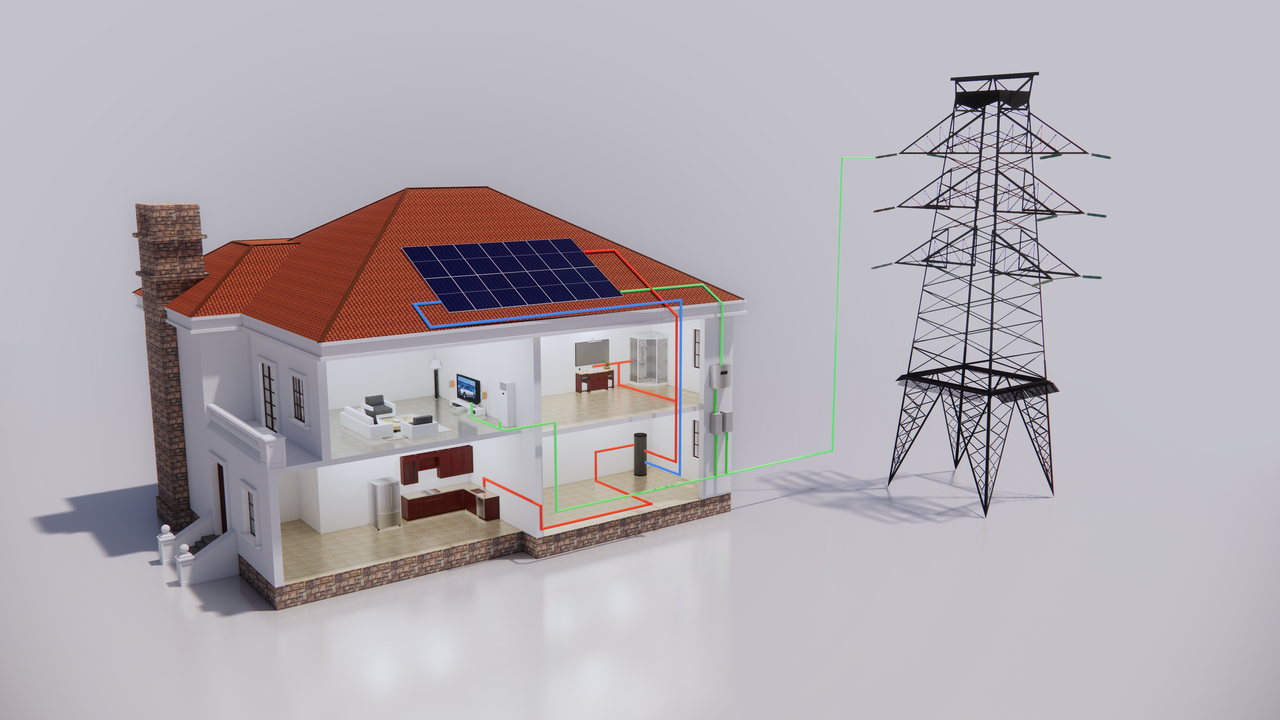
How a PVT Solar Panel Works
A PVT panel has two linked systems.
The thermal absorber can also help control PV cell temperature, although the final electrical benefit depends on design, operating temperature, flow rate, and climate.
Main Types of PVT Panels
Water-Based PVT
Water-based PVT panels use water or a water-glycol mixture to collect heat.
- Domestic hot water
- Heat pump source loops
- Commercial preheating
- Low-temperature heating support
Air-Based PVT
Air-based PVT panels move air behind the PV layer to collect heat.
- Ventilation preheating
- Agricultural drying
- Industrial warm air processes
Covered and Uncovered PVT
Covered PVT may add glazing or insulation. Uncovered PVT can be simpler for lower-temperature applications.
PVT-T Type Panels
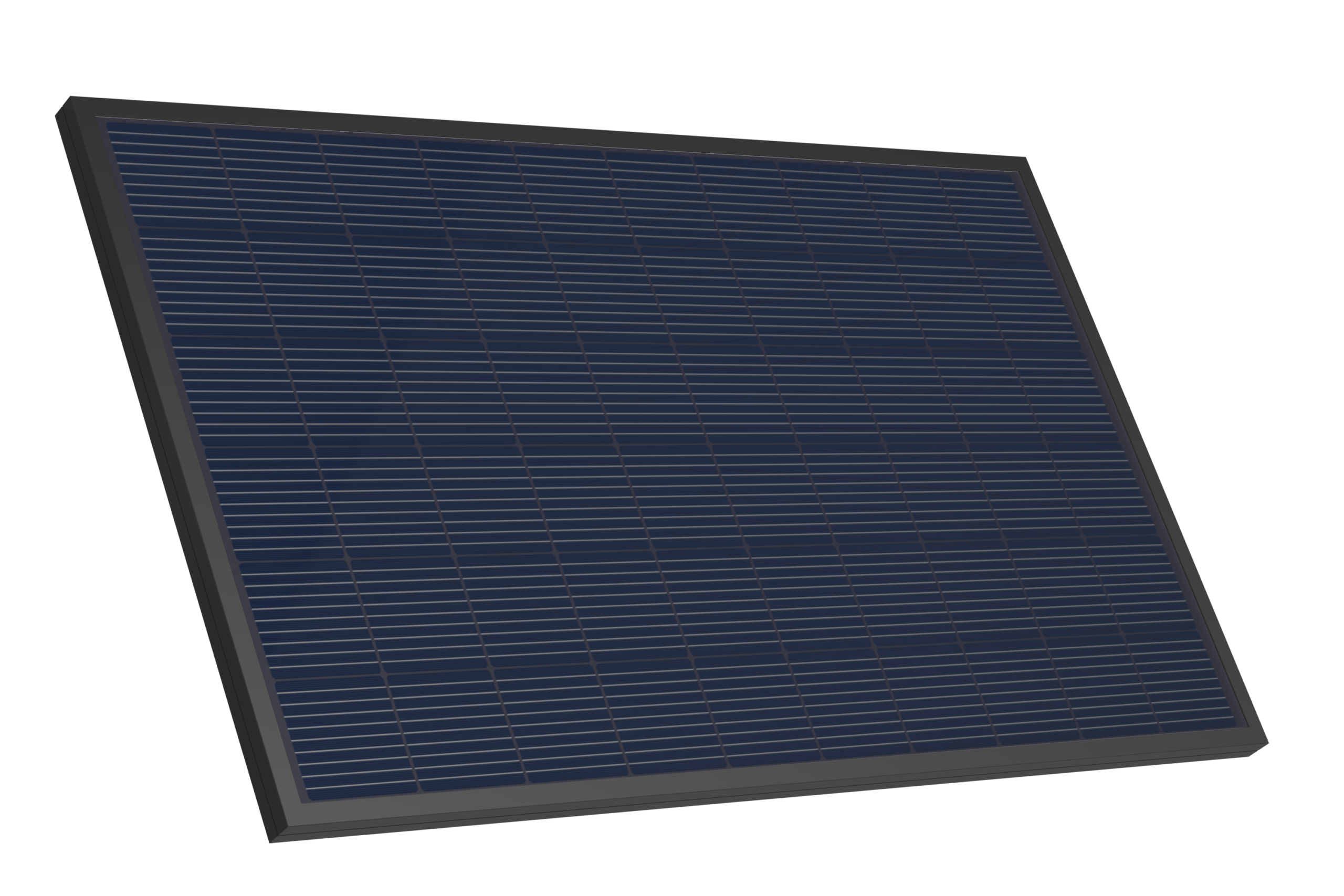
PVT-T type panels are designed for practical thermal transfer to a fluid loop, especially for heat pump and hot water systems.
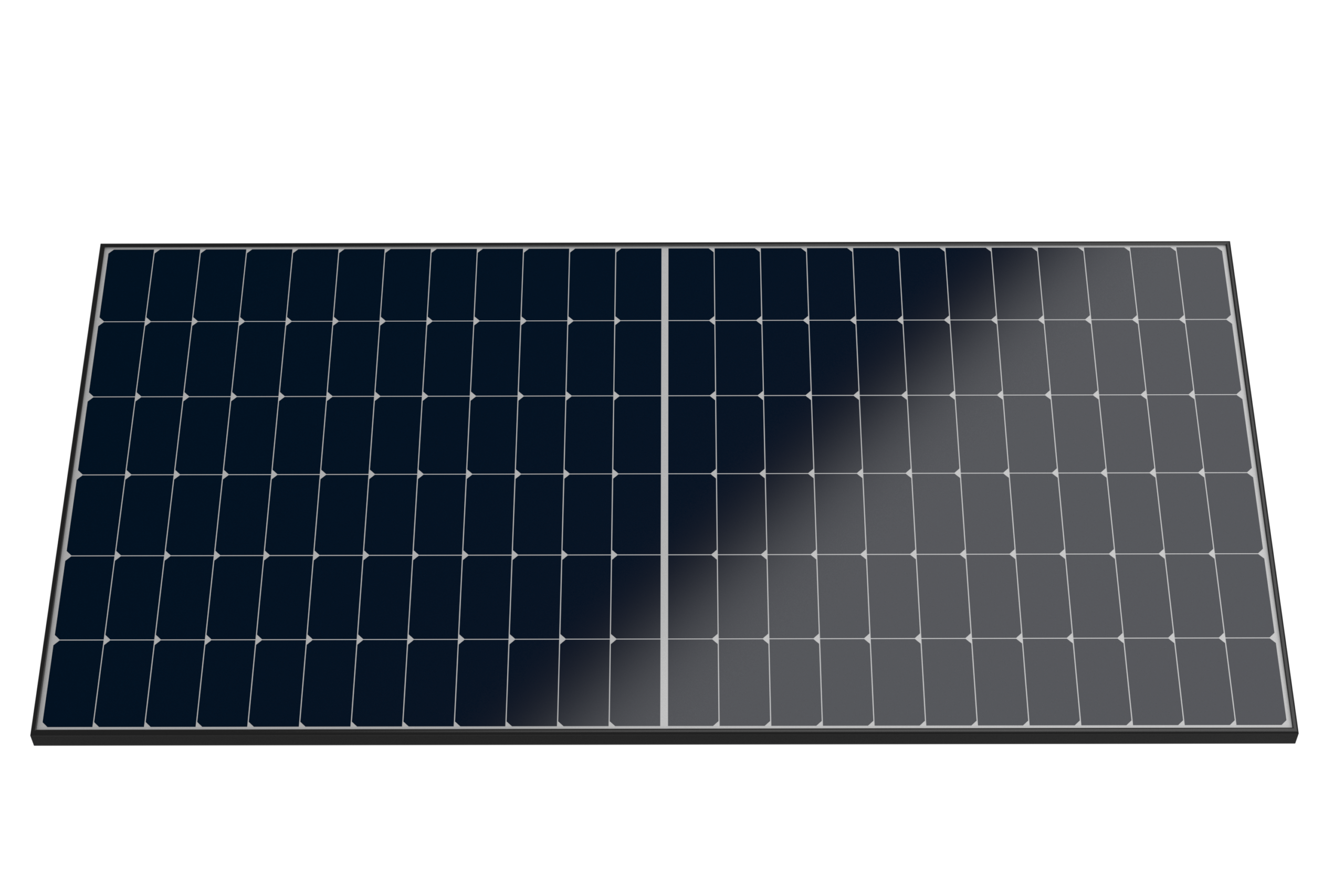
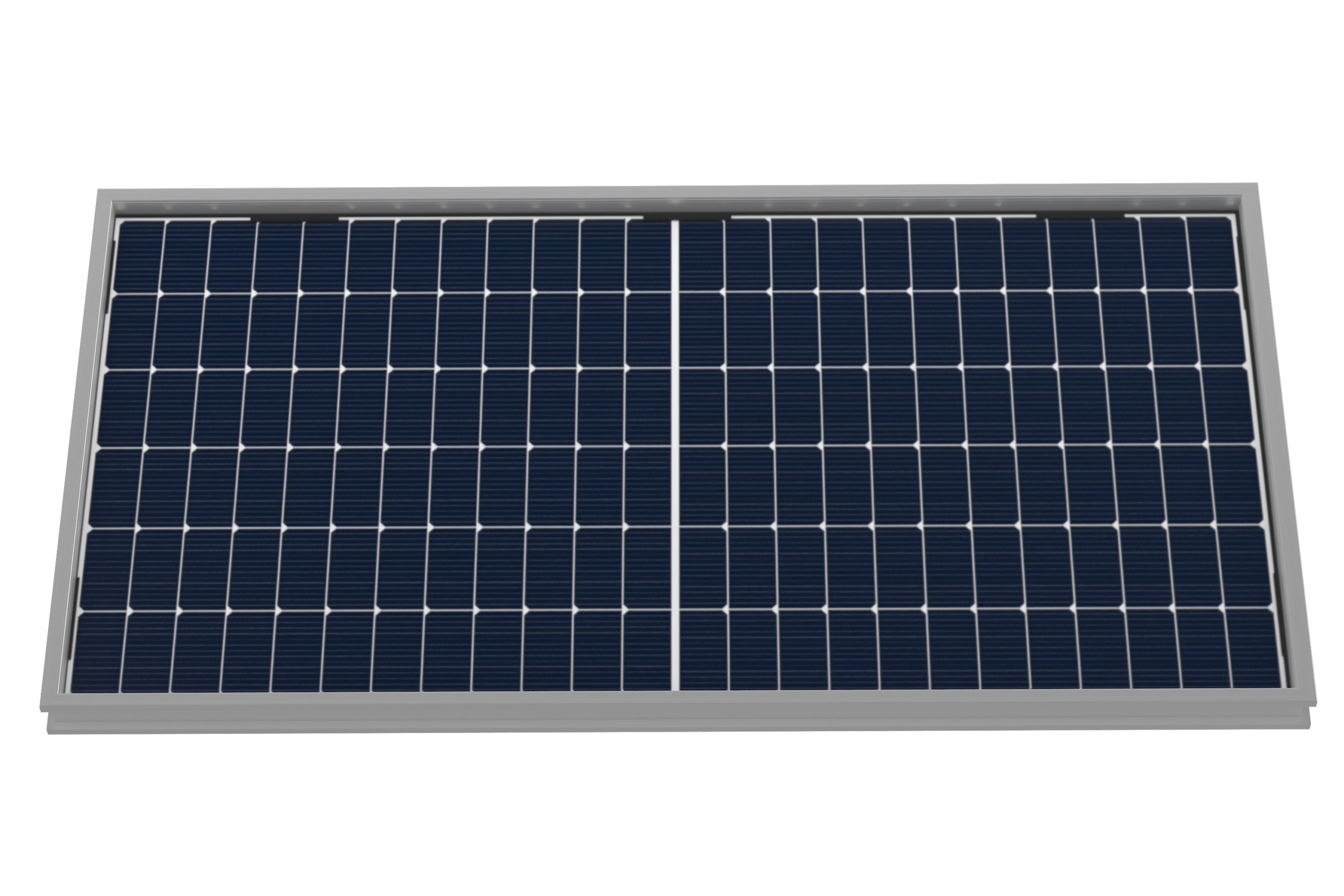
PVT vs PV: What Is the Difference?
| 요인 | PV Panel | PVT 패널 |
|---|---|---|
| Output | 전기 | Electricity and heat |
| Thermal recovery | No | 예 |
| System complexity | 더 낮음 | Higher |
| Best use | Power-only demand | Power plus thermal demand |
| Roof energy use | Electrical energy only | Combined electrical and thermal energy |
| 유지보수 | Electrical system | Electrical plus hydraulic or air system |
PV is simpler and often the best choice for power-only projects. PVT is stronger when the thermal output can be used consistently.
PVT vs Solar Thermal Collector
| 요인 | Solar Thermal Collector | PVT 패널 |
|---|---|---|
| Main output | Heat | Electricity and heat |
| Electrical output | 없음 | 예 |
| 열 효율 | Often higher for heat-only applications | Depends on design and operating temperature |
| Best use | Hot water-focused projects | Hybrid solar energy projects |
| Roof strategy | Separate from PV | Combines PV and thermal functions |
Solar thermal collectors are still excellent for dedicated hot water systems. PVT panels are valuable when the project needs electrical output from the same roof area.
PVT and Heat Pumps
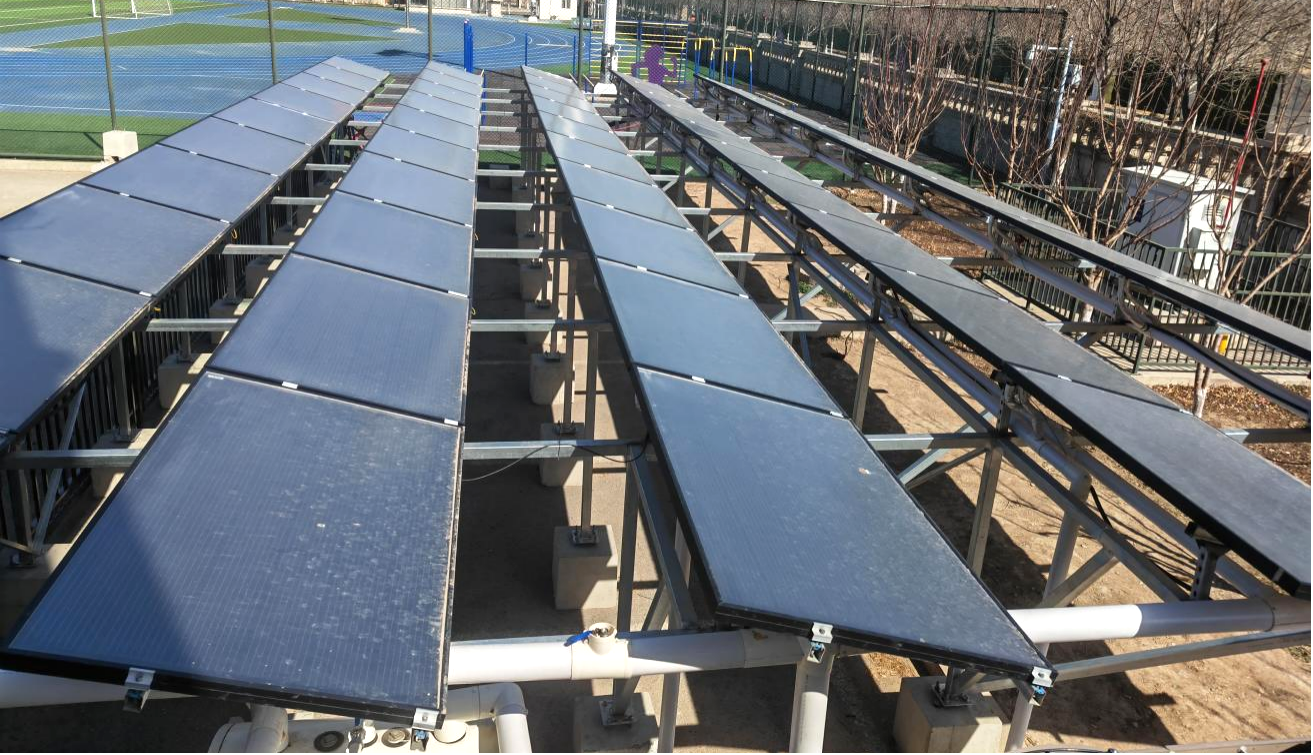
PVT panels are often paired with heat pumps because the thermal output of PVT is commonly low-to-medium temperature. A heat pump can upgrade that heat to a higher useful temperature.
In a PVT heat pump system:
- PVT panels collect solar heat and generate electricity.
- The thermal loop provides a source for the heat pump.
- The heat pump raises the temperature for hot water or heating.
- A tank stores heat for peak demand.
- Backup heating covers low-solar periods.
This design can be attractive for hotels, apartments, villas, gyms, pools, and factories with regular hot water demand.
The Most Important Question: Can You Use the Heat?
PVT makes sense only when the thermal side has value.
Strong PVT Applications
- Daily domestic hot water
- cURL Too many subrequests.
- Heat pump source loop
- Industrial preheating
- 저온 방사형 난방
- Ventilation or drying
- Large commercial storage tanks
Evaluate Carefully
- Buildings with little hot water demand
- Seasonal loads with no summer heat use
- Systems without storage
- Projects requiring high final temperature without heat pump or backup heating
If the heat cannot be used, the project may be better served by standard PV.
PVT Performance: What Affects It?
| 요인 | Impact on PVT Performance | Design Note |
|---|---|---|
| Solar radiation | More sunlight usually increases electrical and thermal output. | Use local irradiation data for sizing. |
| Ambient temperature | Outdoor temperature affects heat loss and PV cell temperature. | Cold climates need freeze protection. |
| Operating temperature | Thermal efficiency is often better at lower loop temperatures. | Avoid forcing the loop to run very hot. |
| 유량 | Flow affects heat removal, pump energy, and temperature rise. | Match panel specifications and pump capacity. |
| Storage tank size | Without enough storage, useful heat may be wasted. | Size storage around daily load and peak demand. |
| Load profile | Daily hot water demand improves thermal utilization. | Hotels, dormitories, pools, and factories are often good fits. |
Simple Hot Water Calculation
To estimate whether PVT heat is useful, calculate the thermal load.
Heat demand (kWh/day) = Water volume (L/day) x Temperature rise (C) x 4.186 / 3600
예시
- Water demand: 3,000 L/day
- Cold water: 15 C
- Required storage temperature: 50 C
- Temperature rise: 35 C
3,000 x 35 x 4.186 / 3600 = about 122 kWh/day
If the project has this kind of daily load, PVT heat may have real value. If hot water demand is only occasional, the system should be evaluated carefully.
Where PVT Solar Panels Are Used
호텔
Hotels need electricity and hot water every day. PVT can support both roof power generation and hot water preheating.
Apartments
Apartment buildings with central hot water can use PVT for preheating and electricity production.
Villas
High-end villas often need solar power, domestic hot water, pool heating, and sometimes space heating support.
Schools and Dormitories
Dormitory shower demand is predictable, making thermal storage design easier.
병원
Hospitals require stable hot water and can benefit from solar preheating, but backup and hygiene control must be designed carefully.
Factories
Factories may use hot water for washing, process preheating, staff showers, or cleaning.
Swimming Pools
Pools are excellent low-temperature loads, which is favorable for PVT thermal operation.
Advantages of PVT Solar Panels
- Dual energy output from one installed area
- Better roof utilization on space-constrained projects
- Compatibility with heat pump source loops
- Lower conventional heating demand when thermal output is used
- Integrated planning of electricity, hot water, and heating
Limitations of PVT Solar Panels
- Higher system complexity than PV-only projects
- Need for a real thermal load
- More design work for tank sizing, hydraulic layout, freeze protection, pump control, and backup integration
- Maintenance of both electrical and thermal components
- Not always best for direct high-temperature heat without heat pump or backup support
Buyer Checklist
Before selecting PVT panels, ask:
- What is the electrical power rating?
- What is the thermal output under test conditions?
- What heat transfer fluid is recommended?
- What is the maximum operating pressure?
- What flow rate is required?
- What is the stagnation temperature?
- How is freeze protection handled?
- What mounting options are available?
- What is the expected maintenance schedule?
- Is the panel compatible with the planned heat pump?
- What certifications or test data are available?
- What is the warranty for PV and thermal components?
결론
A PVT solar panel is not just a PV module with a new name. It is a hybrid energy product that must be designed around both electricity and heat. When a building has steady thermal demand, PVT can improve roof energy utilization and support solar hot water, heat pump, and hybrid energy systems.
When the building only needs electricity, standard PV may be the better choice. For projects that need both solar power and usable heat, SOLETK can help evaluate whether PVT panels, PVT-T type panels, or a complete PVT hybrid solar system is the right solution.
자주 묻는 질문
Need to Evaluate a PVT Solar Panel Project?
Send SOLETK your roof area, electricity demand, hot water load, target temperature, climate conditions, and heat pump plan. We can help recommend a PVT panel or hybrid solar system configuration.
Request PVT Project Advice View PVT Panels