3
Tipinės PVT taikymo sritys ir paruoštos sprendimai
Sužinokite, kaip PVT hibridinės sistemos suteikia didžiausią vertę įvairių pastatų tipų ir pramonės šakų sektoriuose

Generuokite aukštos efektyvumo elektros energiją ir stabilų šiluminį energijos šaltinį iš vieno panelio.
Padidinkite bendrą saulės energijos derlių, paspartinkite investicijų grąžą ir maitinkite pastatus link tikro nulio emisijų veiklos.
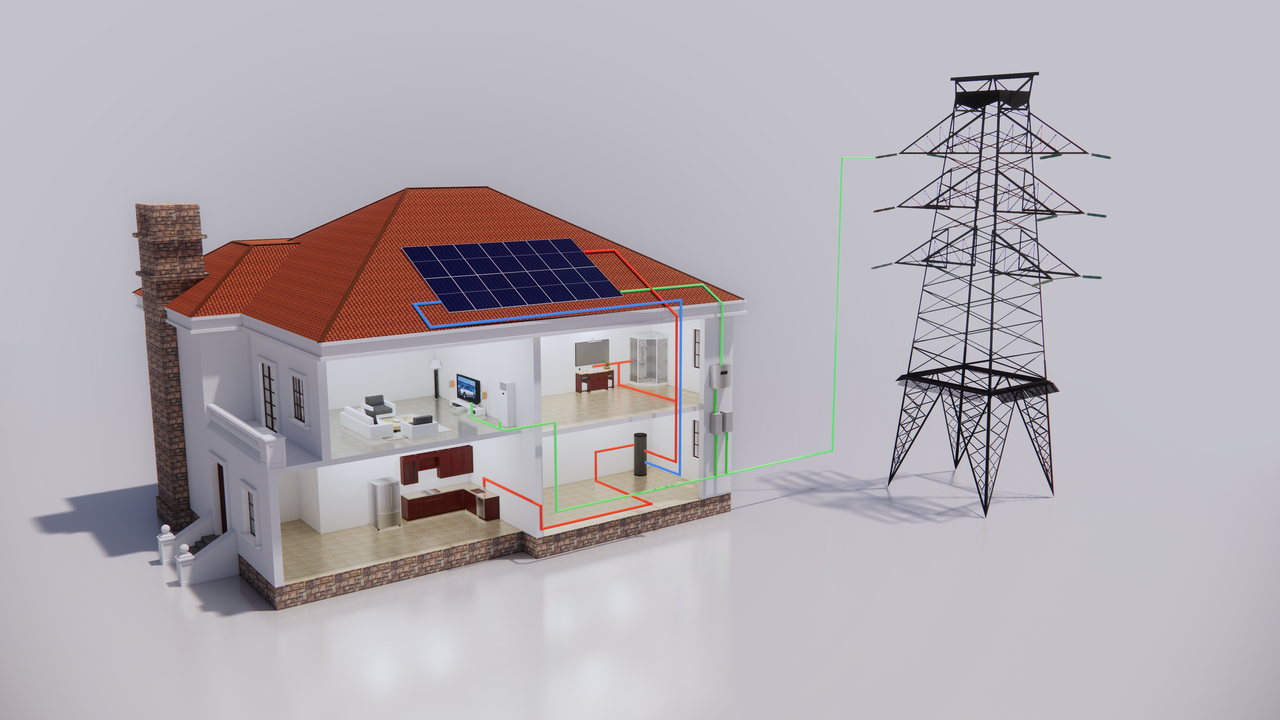
SOLETKS PVT (Fotovoltinė-Terminė) saulės panelės integruoja fotovoltinę elektros gamybą ir termiškos energijos surinkimą vienoje pažangioje sistemoje. Naudodamos tiek saulės šviesą, tiek šilumą, jos maksimaliai išnaudoja bendrą energijos kiekį ir efektyvumą — idealiai tinka pastatams, pramonei ir projektams, siekiantiems išsamiai naudoti švarią energiją.

Hibridinis fotovoltinis-terminis modulis, optimizuotas efektyviai elektros energijai gaminti su papildomu šilumos atgavimu.
Jis užtikrina puikų elektros našumą ir nuolatinį karšto vandens tiekimą, idealiai tinka gyvenamųjų namų stogams ir komercinėms sistemoms.
Sužinokite daugiau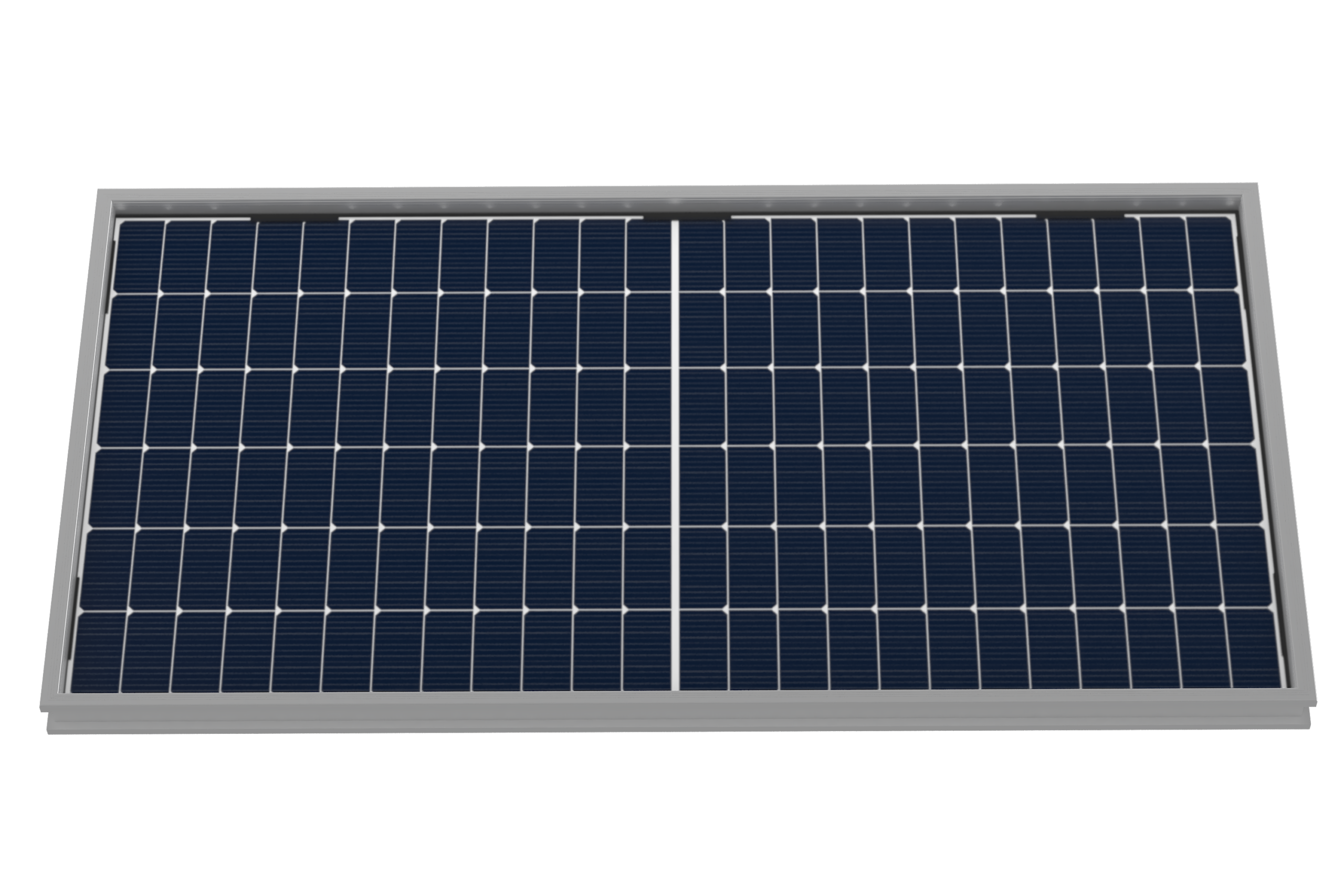
Termiškai orientuota hibridinė panelė, pabrėžianti aukštą šilumos surinkimą, išlaikant stiprią galios gamybos galią.
Tinkama pramoninėms arba didelio masto energijos sistemoms, kurios reikalauja stabilios šilumos tiekimo kartu su elektros gamyba.
Sužinokite daugiau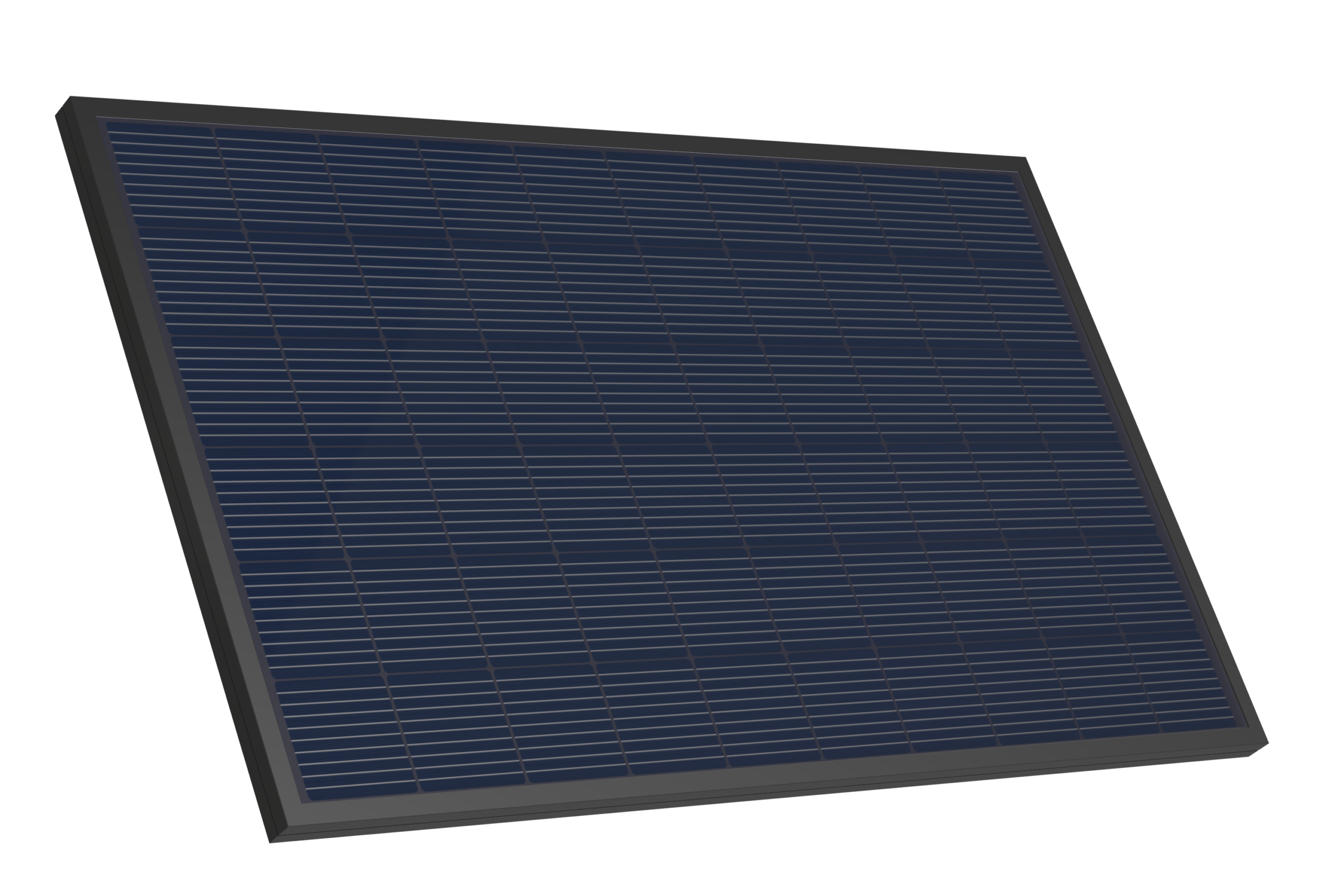
Kitos kartos profesionali PVT sistema su atnaujinta šilumos valdymo technologija ir patobulinta aušinimo sistema.
Ji pasiekia didesnį elektros konversijos efektyvumą, ilgesnį tarnavimo laiką ir aukštesnį bendrą energijos derlių — nustatydama naują integruotų saulės sprendimų standartą.
Sužinokite daugiauVienu metu tiek elektros, tiek šilumos iš vienos paviršiaus dalies.
Kai stogo erdvė yra ribota, PVT suteikia jums maksimalų energijos kiekį iš kvadratinio metro.
PVT (Fotovoltinė-Terminė) yra hibridinis saulės panelis, kuris vienu metu gamina elektros energiją ir šilumą iš vieno modulio:
Fotovoltinės ląstelės generuoja elektros energiją
Šilumos keitiklis atgauna šiluminę energiją karštam vandeniui, šildymui, baseinams ar procesams
Vietoj to, kad įrengtumėte atskiras sistemas PV ir saulės terminei energijai, PVT sujungia abi į vieną integruotą sistemą.
Tas pats stogas. Tas pats tvirtinimas. Dviguba išvestis.
Daugeliu projektų stogo ar fasado plotas yra pagrindinis apribojimas. PVT leidžia jums:
PV efektyvumas mažėja, kai elementai įkaista. Šilumos pusė PVT modulio pašalina šilumą iš PV elementų, kas gali:
Naudojant PVT, jūs dalijatės:
Nors PVT modulis yra brangesnis nei standartinis PV ar plokštelinis kolektorius vienas pats, bendros sistemos kaina už naudingos energijos vienetą dažnai yra mažesnė.
PVT pakeičia tiek tinklo elektros energiją, tiek iškastiniais kurais pagrįstą šilumą:
Sužinokite, kaip PVT hibridinės sistemos suteikia didžiausią vertę įvairių pastatų tipų ir pramonės šakų sektoriuose
„Soletks“ PVT sistema sukurta kaip visiškai integruota hibridinė sprendimas, gaminantis tiek elektros, tiek šilumos energiją iš tos pačios paviršiaus plokštumos.
Pažangūs dviejų funkcijų saulės moduliai, jungiantys fotovoltinius ir šilumos technologijas
Visapusiška šilumos valdymo sistema optimaliam šilumos perdavimui ir paskirstymui
Šilumos energijos kaupimo sprendimai nuolatiniam karšto vandens prieinamumui
Profesionalūs saulės fotoelektrinės sistemos komponentai didžiausiai elektros efektyvumui
Intelektuali sistemos valdymo sistema optimaliam veikimui ir energijos taupymui
PVT panelių ir šilumos siurblio derinys sukuria vieną iš efektyviausių atsinaujinančios energijos sistemų šiandien
Rezultatas: Žymiai didesnis bendras COP ir geresnis sezoninis našumas
PVT + šilumos siurblys paverčia jūsų stogą kompaktiška, aukštos efektyvios atsinaujinančios energijos gamykla—produkuojančia tiek šildymo energiją tiek švarų elektrą iš vienos integruotos sistemos.
Soletks hibridiniai PVT paneliai nėra konceptualūs prototipai.
Jie yra laboratorijoje išbandyti, lauke įrodyti ir patvirtinti kontroliuojamomis šilumos ir elektros sąlygomis.
Pilno dydžio monokristaliniai PV moduliai (450–600 W klasės)
Lazeriu suvirintas aliuminio absorberis su optimizuota šilumos paskirstymo geometrija
Pasirinktinė danga su dideliu sugerties koeficientu ir žemu spinduliuotės emisijos koeficientu
Mikro-kanalų šilumos keitiklis integruotas po saulės elementais
Galinis termoreguliacinis sluoksnis PV temperatūros stabilizavimui
Stabilų šiluminį išėjimą nuo 350 iki 500 kWh/m²·metus (klimato priklausomai)
Elektrinį našumą nuo 90 iki 95% nepriklausomų PV modulių
Plokštės temperatūros sumažinimą nuo 10 iki 18°C esant visiškam apšvietimui
Nuliniai karštosios vietos ar delaminacijos atvejai per nuolatinį stagnacijos ciklą
Vietoj to, kad blogėtų dėl šilumos streso, PV elementai veikia vėsesnėje, efektyvesnėje būklėje, generuodami didesnį elektrinį našumą ir naudotiną šiluminę energiją.
Visi matavimai buvo atlikti naudojant kalibruotus jutiklius kontroliuojamomis apkrovomis— niekada nebuvo naudojamos skaičiuotuvų lentelės simuliacijos.
Mes skelbiame nuoseklų našumą, o ne išpūstus viršutinius skaičius.
The solar industry is full of “PVT concepts” that perform well on paper but fail under real operating conditions. Soletks takes an engineering-led, not marketing-led, approach.
Vienodas šilumos išgavimas yra būtinas patikimam PVT veikimui. Soletks naudoja pilno padengimo aliuminio absorberio plokštes su mikro-kanalų šilumokaičiais, kad išvengtų vietinio perkaitimo.
Skirtingai nuo taškinio srauto ar dalinio kontakto dizaino, mūsų geometrija pašalina terminius gradientus — pagrindinę priežastį:
PVT panelis, kuris praranda 20–30% PV išėjimo, yra nepriimtinas. Mūsų architektūra išgauna šilumą žemiau PV veikimo zonos, užtikrinant:
Lauko duomenys patvirtina 90–95% gryno PV išėjimo, tuo pačiu metu generuodamas šiluminę naudą.
Many “PVT” designs rely on laminated capillaries or shallow snake tubes that only cool panels under mild conditions and then stagnate or boil.
Soletks naudoja:
PVT plokštės atlaiko UV + šiluminį cikliavimą, drėgmės prasiskverbimą, koroziją, mechaninius stresus ir aukštas stagnacijos temperatūras.
Soletks pašalina dažniausiai pasitaikančias gedimo vietas:
Plokštės naudoja aliuminio + EPDM sandariklį su kontroliuojamu drenažu, siekiant išvengti drėgmės kaupimosi ir korozijos.
Soletks kuria pilnus PVT sistemas, o ne atskirus komponentus.
Tikri projektai—viešbučiai, butai, klinikos, darbuotojų stovyklos—veikia karštu vandeniu 365 dienas per metus.
Panelės tarnavimo laikas matuojamas metais realios veiklos, o ne laboratorijos saulės šviesa valandomis.
Stabili elektros veikla
Prognozuojama šiluminė išvestis
Be trapios stiklo vamzdžių
Be polimerinio nusidėvėjimo
Be stagnacijos gedimų
Visi inžineriniai dokumentai
Soletks produktai nėra kuriami tik pagal pažadus —
jie kuriami remiantis fizika, medžiagų mokslas ir išbandytas šiluminis elgesys.
| Pasirinkimas | Stogo naudojimas | Išvesties tipas | Energija per m² | CAPEX už energijos vienetą | Sudėtingumas |
|---|---|---|---|---|---|
| Tik saulės elementai | Elektros energija | Tik kWh elektra | Vidutinis | Tinka elektros energijai | Paprastas |
| Tik saulės terminas | Šiluma | kWh šilumos tik | Aukštas | Labai konkurencingas karšto vandens ruošimui | Vidutinis |
| PVT hibridas | Sujungtas | kWh elektra + kWh šiluma | Labai didelis bendras | Dažnai mažiausias už kWh (sujungtas) | Didensnis, bet integruotas |
PVT nepakeičia tradicinės PV ar saulės terminas kiekvienu atveju.
Bet kai stogo plotas yra ribotas ir yra vienu metu poreikis tiek elektros, tiek šilumos, PVT dažnai yra efektyviausias ir kompaktiškiausias pasirinkimas.
Žemiau pateikiamas praktinis B2B palyginimas, remiantis tipiniais komerciniais pastatais (viešbutis / studentų būstas / klinika), kur elektros energijos ir karšto vandens poreikis egzistuoja kartu. Tai nėra teorinė rinkodara — tai atspindi realias energijos kainas, karšto vandens apkrovas ir panelių našumą.
Didelės elektros energijos kainos + šildymo poreikis = PVT tobulas
| Sistema | Metinis energijos derlius (per m²) | Ekonominis rezultatas | Payback |
|---|---|---|---|
| Tik saulės elementai | 180–220 kWh elektros | Gera, bet ribojama stogo | 5–8 metų |
| PVT hibridas | 180–220 kWh elektros + 350–500 kWh šilumos | Šiluma pakeičia brangų dujų / elektros šildymą | 2,8–4,5 metų |
PV-tik: ~18–22 kWp → 20–35 kWh/diena → Atsipirkimas ~6 m.
cURL Too many subrequests. tas pats stogas → elektra + 1 500–2 500 L/diena karšto vandens → Atsipirkimas ~3–3,8 m.
Aukšta saulės spinduliuotė + viešbučių poreikis = PVT labai efektyvus
| Sistema | Metinė energijos gamyba | Ekonominis rezultatas | Payback |
|---|---|---|---|
| Tik saulės elementai | 250–380 kWh / m² | Puikus elektros išėjimas | 3,5–6 m. |
| PVT hibridas | 250–380 kWh + 550–750 kWh šilumos | Didžiausias investicijų grąža dėl karšto vandens ir baseinų | 2,0–3,0 m. |
PV-tik: stipri gamyba, bet daugiausia eina į šildymo, vėdinimo ir oro kondicionavimo sistemas
cURL Too many subrequests. elektra + dienos metu baseinas + dušai
→ Investicijų grąža dažnai < 2,5 m.
Vidutinės kainos, didelis saulės spindulių kiekis, stiprus šilumos poreikis
| Sistema | Metinė energijos gamyba | Ekonominis rezultatas | Payback |
|---|---|---|---|
| Tik saulės elementai | 220–350 kWh/m² | Labai stiprūs rezultatai | 4–7 metai |
| PVT hibridas | 220–350 kWh + 350–600 kWh šilumos | Geriausias investicijų grąžos rodiklis skalbyklose / maisto pramonėje / kurortuose | 2,2–3,8 metų |
Pramoninės skalbyklos, tekstilės plovimas, žemės ūkio maisto valymas → didelis karšto vandens suvartojimas.
Saulės fotoelektrinė (PV) sprendžia tik pusę problemos.
PVT sumažina du didžiausius sąnaudų centrus vienu metu: elektros energija + šiluma.
~200–300 kWh/m²
(elektrinė)
~300–900 kWh/m²
(šiluminė)
~500–900 kWh kartu
(elektrinė + šiluminė)
PVT = PV išvestis + 1–2× papildomas šilumos naudingumas.
Ir skirtingai nuo PV nutekėjimo: Šiluminė energija visada yra absorbuojama karšto vandens ruošimo sistemose (ligoninėse, viešbučiuose, pramonėje). Atsarginiai bakai saugo perteklinę šilumą → nėra apribojimų.
Todėl investicijų grąža spartėja.
| Heating Configuration | Typical COP | Relative Heat Cost |
|---|---|---|
| Air-source heat pump | ~3 | Higher |
| Water-source heat pump | ~5 | Lower |
| Water-source + waste heat | ~6 | Mažiausias |
| PVT-assisted heat pump | 5–6+ | Mažiausias |
Why PVT wins: PVT panels provide pre-heated water to the heat pump, dramatically improving COP while simultaneously generating electricity. This dual benefit makes PVT-assisted systems the most economically efficient renewable heating solution in Europe’s climate.
Gaukite atsakymus į dažniausiai užduodamus klausimus apie PVT hibridines saulės sistemas
Kai turite:
…PVT paprastai suteiks geresnį bendrą energijos derlių per m² nei vien tik PV.
Daugeliui projektų mes projektuojame pagal 35–70°C:
Aukštesnės temperatūros gali būti įmanomos su specifinėmis konfigūracijomis.
Taip.
Saulės spinduliuotė vis dar yra prieinama; PVT gali veikti esant žemai aplinkos temperatūrai. Sistema sukurta su:
Taip, tinkamose struktūrose.
PVT gali būti naudojamas kaip:
Reikalingos inžinerinės patikros dėl struktūros, vėjo apkrovų ir kondensacijos.
PVT sistema prideda:
Patyrusiems saulės terminių ar šilumos tiekimo įrengėjams, sudėtingumas yra valdomas.
Soltekas teikia detalių diagramų ir montavimo gairių supaprastinti procesą.
Mes galime jums padėti su koncepcija, dizainu, įranga ir dokumentacija jūsų kitam aukštos našumo saulės energijos projektui.
EPC ar montuotojas, norintis pridėti PVT prie savo portfelio
Vystytojas ar investuotojas su aukštos energijos tankio projektais
Pastato savininkas, siekiantis gilios dekarbonizacijos
Jinghua prospekto 2228 numeris, Ekonominės plėtros zona
Dezhou miesto, Šandong provincijos, Kinija
Shandong Soletks Solar Technology Co., Ltd.
Siųskite mums savo pastato tipas, stogo plotas, karšto vandens / šildymo poreikis, ir elektros naudojimas.
Pasiūlysime PVT konfigūraciją ir energijos derlių įvertinimą.