
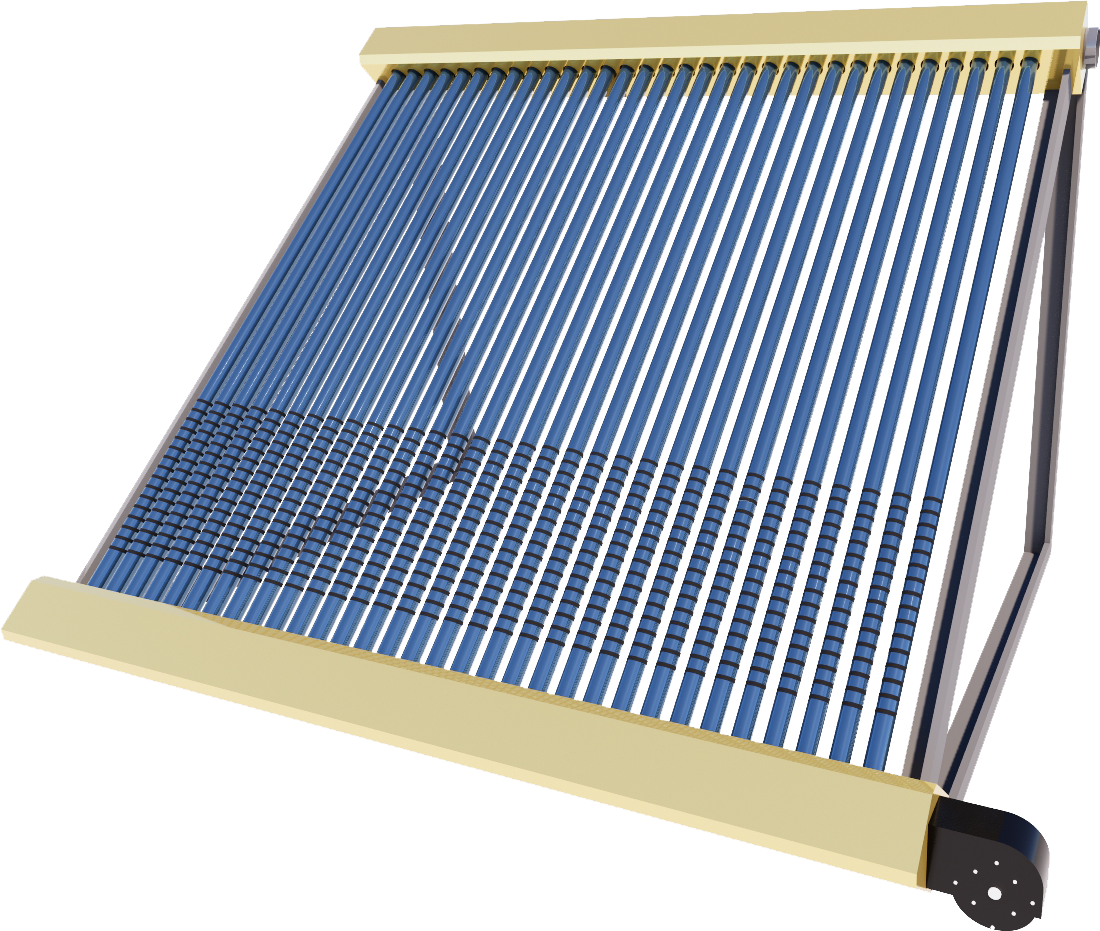
အပူပေးစနစ်များ are often better for colder climates, windy locations, and higher water temperature requirements because their vacuum insulation reduces heat loss. Flat plate solar collectors are often better for warm climates, moderate-temperature hot water, swimming pools, simple roof integration, and projects that value a durable flat-panel structure.
Why This Comparison Matters
Solar water heater performance is not determined by collector type alone. A good collector installed in a poorly designed system will still perform poorly. A correct comparison must include collector efficiency under real operating temperature, ambient climate, solar radiation, wind exposure, freeze risk, storage tank size, flow rate, backup heating, maintenance access, water quality, and installation quality.
What Is an Evacuated Tube Collector?
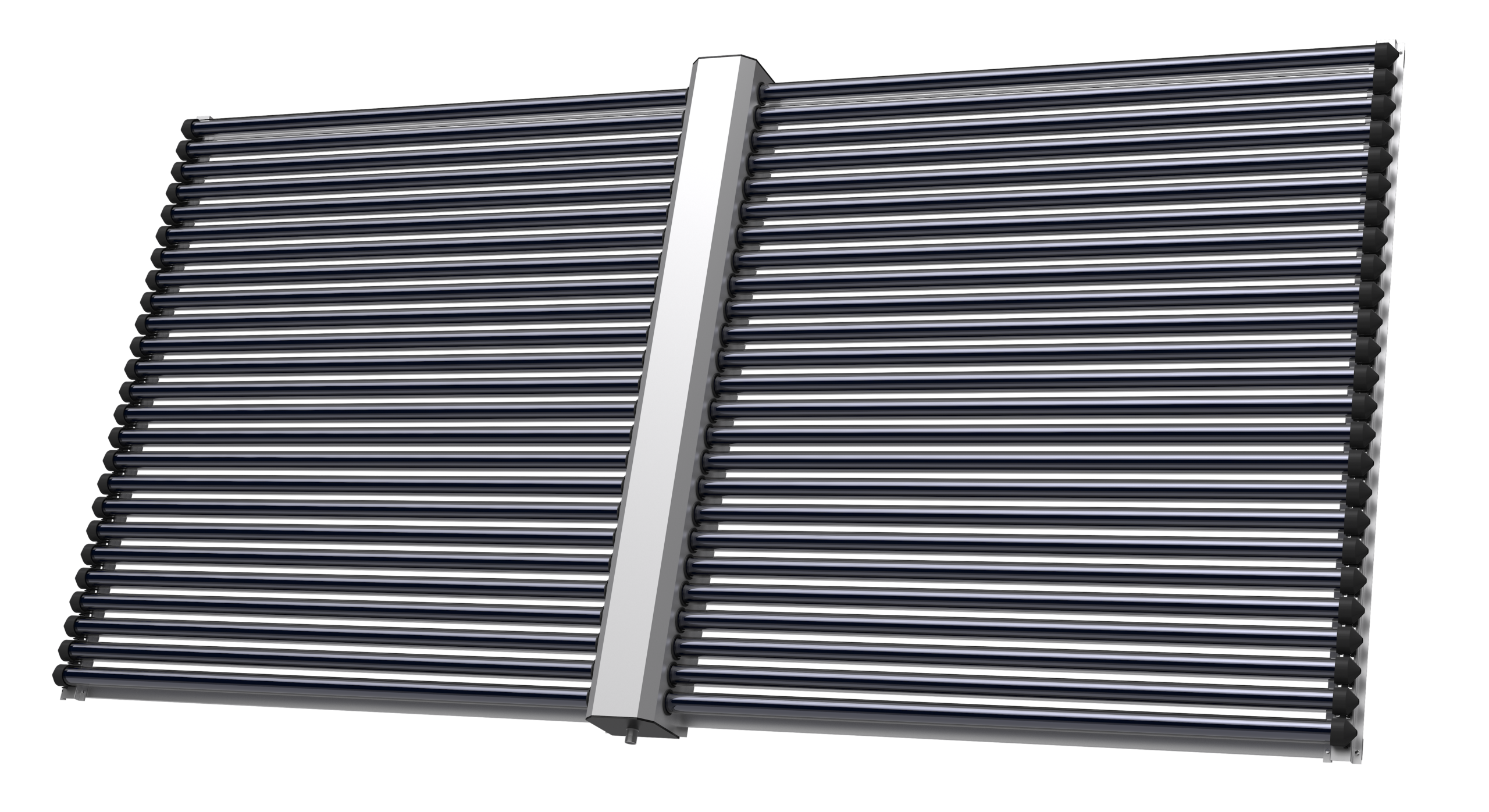
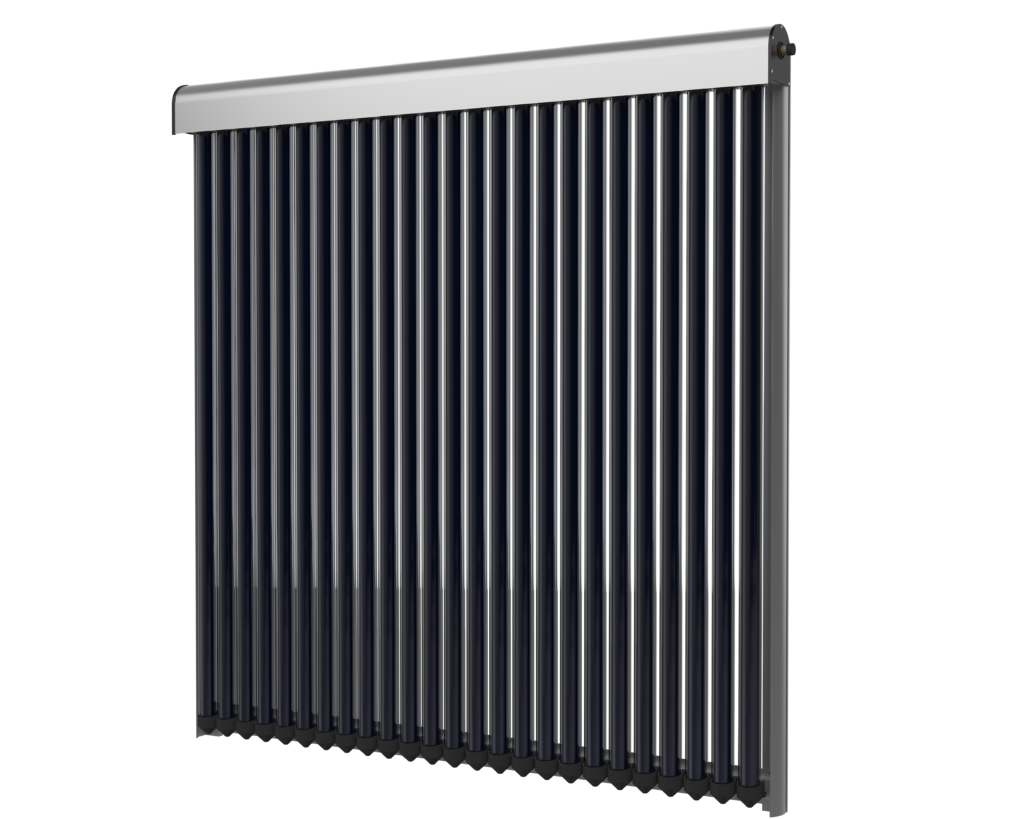
An evacuated tube collector uses multiple glass tubes with a vacuum layer around the absorber. The vacuum reduces heat loss from the absorber to the outdoor air. This structure helps when the collector is operating far above ambient temperature or when wind and cold weather would otherwise increase heat loss.
Main features include:
- Vacuum insulation around each tube
- Strong performance when temperature difference is high
- Tube-based modular structure
- Common use in commercial hot water and colder climates
- Heat pipe, U-pipe, and direct flow design options
What Is a Flat Plate Solar Collector?
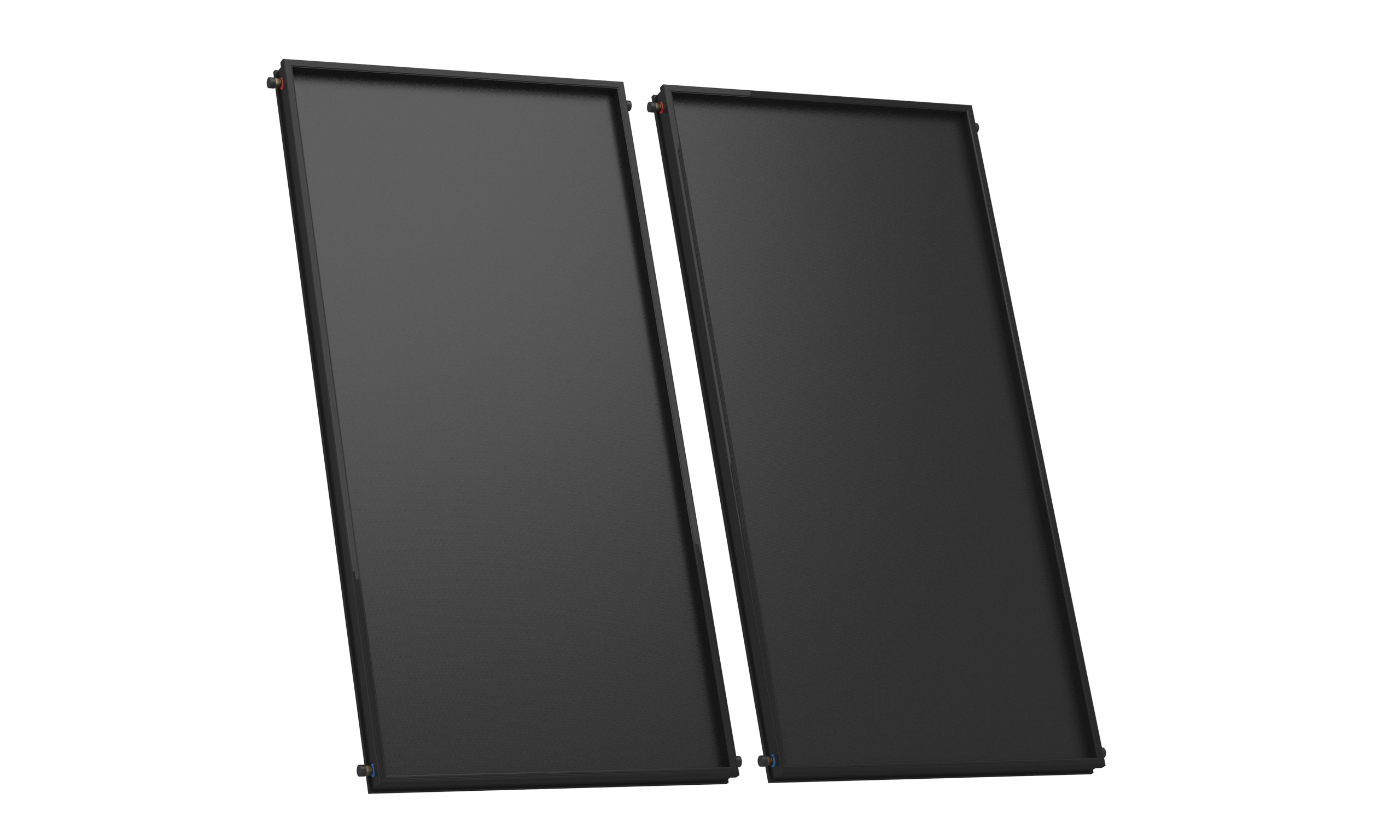
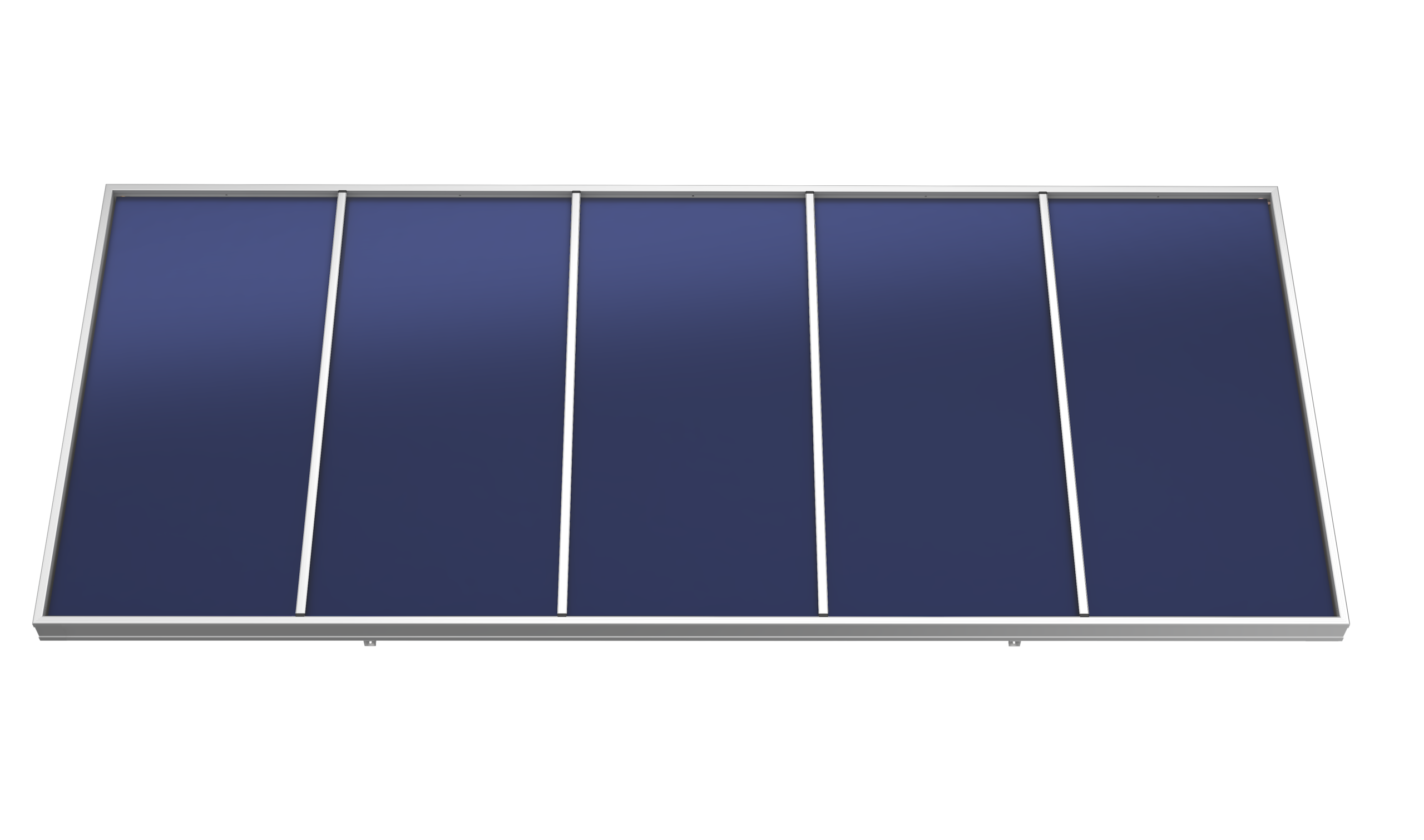
A flat plate solar collector uses a flat absorber plate inside an insulated collector box with a transparent cover. Heat transfer fluid circulates through tubes connected to the absorber. Flat plate collectors are popular because they are robust, visually simple, and well understood by installers.
Main features include:
- Simple flat-panel structure
- Durable collector box
- Clean roof appearance
- Good performance in warm and mild climates
- Common use for domestic hot water and pool heating
Quick Comparison Table
| အကြောင်းအရာ | Evacuated Tube Collector | အလွှာပြားစုဆောင်းစက် |
|---|---|---|
| အပူချိန်ထိန်းချုပ်မှု | Vacuum around each tube | Insulated panel box |
| Cold climate performance | Often stronger | Good if designed correctly, but heat loss can be higher |
| Warm climate performance | ကောင်း | Often very good |
| Higher temperature output | Often better suited | Possible, but heat loss increases |
| Low-temperature pool heating | Works, but may be more than needed | Often suitable |
| ပုံစံ | Visible tube array | Flat, clean panel |
| Wind profile | Tube frame requires careful mounting | Flat structure, but wind load still matters |
| Snow behavior | Depends on angle and tube design | Depends on angle and glass surface |
| Maintenance | Individual tubes may be serviceable | Panel-level service |
| Typical selection logic | Performance in harder thermal conditions | Simplicity and cost-effectiveness in moderate conditions |
Efficiency: Why One Number Is Not Enough
Collector efficiency changes with operating conditions. A collector may perform well at low temperature but lose efficiency as the required temperature rises. The key factor is the temperature difference between the collector and outdoor air.
If a system needs water that is only slightly warmer than ambient air, flat plate collectors can perform very well. If a system needs higher water temperature in cold air, evacuated tubes often have an advantage because vacuum insulation reduces heat loss.
Selection rule
Compare collectors under the same test conditions and target temperature. A single advertised efficiency number is not enough for serious project selection.
Temperature Requirement
Swimming Pools and Preheating
Flat plate collectors can be very suitable because the required temperature is moderate and heat loss is less severe.
Domestic and Commercial Hot Water
Both collector types can work. Climate, storage, roof area, and system controls decide the better choice.
Industrial Preheating
Evacuated tube collectors are often favored when lower heat loss becomes more important.
Collector Plus Tank Plus Backup
The useful output depends on the complete solar hot water system, not only the collector label.
Climate Comparison
| Climate condition | What to consider | Typical starting point |
|---|---|---|
| Cold climate | Vacuum insulation can reduce heat loss, but freeze protection is still essential. | Evacuated tube |
| Warm climate | The temperature difference between collector and air is smaller. | Flat plate or evacuated tube |
| Windy climate | Wind affects mounting loads and can increase convective heat loss. | Compare structure and mounting design |
| Cloudy climate | Both collectors depend on solar radiation. Storage and backup become important. | Design by load and radiation data |
| Coastal climate | Corrosion resistance matters for frames, fasteners, manifold materials, and coatings. | Check material specification |
Snow and Ice
Snow behavior is complex and should not be reduced to one simple rule. Evacuated tubes may retain less surface heat because of vacuum insulation, which can sometimes slow snow melting. Flat plate collectors may shed snow differently due to their smooth glass surface and panel angle.
For snowy regions, ask:
- What installation angle is recommended?
- Can snow slide safely from the collector?
- Is roof access needed for cleaning?
- What is the snow load rating?
- Is the system designed for freeze protection?
Maintenance Comparison
Typical Maintenance Items
- Replacing broken tubes
- Checking manifold insulation
- Inspecting heat pipe contact
- Checking seals and frame condition
- Inspecting fluid loop and pressure
Typical Maintenance Items
- Cleaning glass
- Inspecting absorber and glazing condition
- Checking seals
- Inspecting frame corrosion
- Monitoring fluid loop and pressure
Flat plate collectors have a simpler visual form, but if the absorber or glazing is damaged, repair may involve larger components. Evacuated tubes may allow tube-level service depending on design.
Cost Comparison
Cost should be evaluated as system cost, not collector price only. Include:
- Collector cost and mounting cost
- Storage tank, pumps, controller, and heat exchanger
- Backup heating and pipe insulation
- Installation labor and maintenance access
- Expected energy savings under local climate conditions
A flat plate collector may be more economical in warm climates and low-temperature applications. An evacuated tube collector may provide better value in colder climates or higher temperature systems because it can reduce heat loss.
System Design Matters More Than Product Label
Two projects using the same collector can perform very differently. Important design factors include:
- Correct collector area
- Proper tank size
- Good pipe insulation
- Correct flow rate
- Reliable pump control
- အအေးခံကာကွယ်မှု
- Overheat protection
- Backup heating integration
- Water quality management
- Maintenance plan
Which Collector Is Better for Different Applications?
| လျှောက်လွှာ | Selection guidance |
|---|---|
| Residential domestic hot water | Both can work. Evacuated tubes may be better in colder regions. Flat plates may be better in warm regions with simple roof installation. |
| Hotel hot water | Evacuated tubes are often selected when high thermal performance is needed. Flat plates can also work in warm climates with enough roof area. |
| Swimming pool heating | Flat plate or pool-specific collectors are often suitable because pool heating usually requires lower temperature water. |
| စက်မှုလုပ်ငန်းအပူချိန်မီစက်များ | Evacuated tubes are often attractive when higher temperature or cold weather performance is important. |
| School dormitories | Both can work. Decide by climate, shower schedule, storage design, and target temperature. |
| Hospitals | Reliability, backup, and hygiene temperature are critical. Full system design matters more than collector type alone. |
Decision Matrix
| Project condition | Better starting point |
|---|---|
| Cold climate | Evacuated tube |
| Warm climate | Flat plate or evacuated tube, depending on budget |
| High water temperature | Evacuated tube |
| ရေကူးကန်အပူချိန်စနစ် | Flat plate |
| Limited roof area with higher demand | Evacuated tube |
| Clean flat roof appearance | Flat plate |
| Commercial hot water in winter | Evacuated tube |
| Simple residential hot water in warm area | Flat plate or compact system |
| Need individual tube replacement | Evacuated tube |
| Need robust panel appearance | Flat plate |
Questions to Ask Before Choosing
- What is the daily hot water demand?
- What is the required outlet temperature?
- What is the local cold water temperature?
- What is the local winter temperature?
- Is freezing possible?
- How much roof area is available?
- Is the roof shaded?
- Is the building in a windy or coastal area?
- What storage tank size is planned?
- What backup heating source will be used?
- What maintenance access is available?
- Is product certification or tested performance data required?
Common Buyer Mistakes
Choosing by Highest Advertised Efficiency
Efficiency without test conditions is not meaningful. Ask for tested data and operating assumptions.
Ignoring Operating Temperature
The best collector for pool heating may not be best for high-temperature commercial hot water.
Ignoring Storage Tank Size
The tank must match collector output and user demand.
Comparing Collector Price Without System Cost
Installation, tanks, pumps, controls, and maintenance can matter as much as collector price.
Recommended Selection Process
အမေးများသောမေးခွန်းများ
cURL Too many subrequests.
Evacuated tube and flat plate solar collectors are both proven technologies. Evacuated tubes are often stronger for cold climates, windy conditions, and higher temperature demand. Flat plate collectors are often strong for warm climates, pool heating, and simple roof integration.
The right decision should be based on the complete hot water system: load, temperature, climate, storage, backup heating, maintenance, and tested collector performance. SOLETK can help compare evacuated tube and flat plate collector options for residential, commercial, and industrial solar hot water projects.
Need Help Choosing the Right Solar Collector?
Send SOLETK your project location, daily hot water demand, target temperature, roof area, and climate conditions. We can help compare evacuated tube and flat plate collector options for your solar hot water project.
Request Collector Advice View Solar Collectors