
Автор: Инженерная команда SOLETKS, the solar water heater application group that prepares product selection and project documentation for residential, villa, resort, and light-commercial hot-water systems.
A compact heat pipe solar heater is a good fit when a small building needs packaged solar hot water, faster tube-level service, and lower collector-loop freeze exposure than a direct water-in-tube design. Select it by daily water demand, tank volume, roof load, winter temperature, backup heater plan, and whether the project needs a compact roof-mounted unit or a split heat-pipe collector with a separate tank.
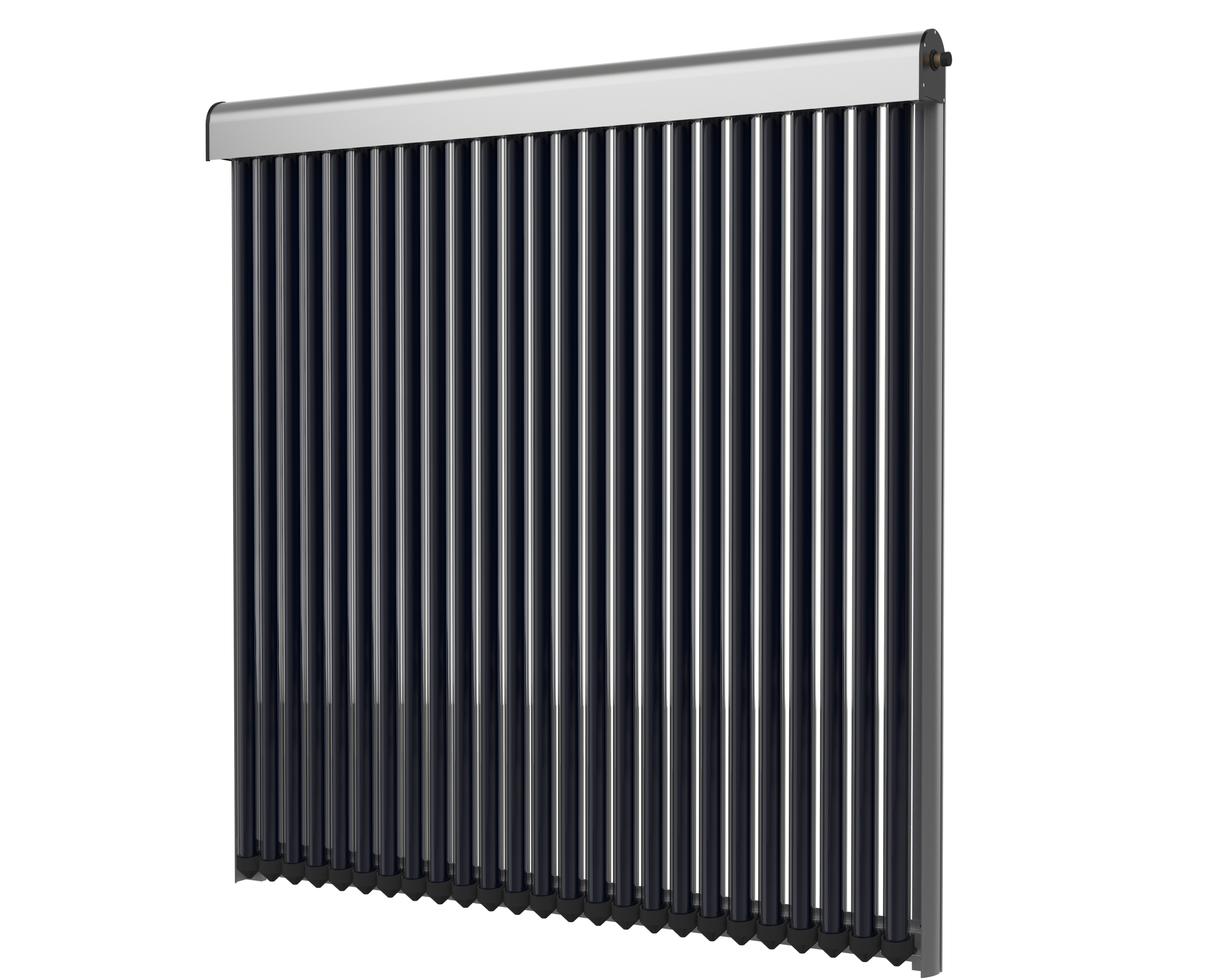
Use the SOLETKS Тепловая трубка солнечного водонагревателя page for compact heater direction, and compare broader project layouts through Системы солнечного горячего водоснабжения. For larger collector-bank projects, the Солнечный коллектор HPC с тепловой трубкой direction is the better engineering discussion.
Compact Heat Pipe Design Answer
Heat pipe technology matters because the system fluid does not have to pass through every glass tube. Solar heat evaporates the working medium inside the sealed heat pipe, the vapor releases heat at the condenser end, and the condensate returns by gravity. This structure improves serviceability because a damaged tube is easier to isolate from the main water path than a direct-flow tube.
The compact decision is different from the commercial decision. A compact heater prioritizes simple installation, roof fit, tank sizing, and maintenance access. A commercial collector bank prioritizes hydraulic balance, storage integration, pump station design, and heat-exchanger capacity.
Sizing Example Calculation
Compact heater sizing should begin with daily hot-water energy, not tube count. This worked example uses the standard water-heating formula; final model selection should follow the latest SOLETKS datasheet and local solar resource.
Пример входных данных
- Users: 4 people
- Allowance: 60 L/person/day
- Daily hot water: 240 L/day
- Cold-water inlet: 15 degrees C
- Useful target: 50 degrees C
- Solar fraction target: 60%
Daily heat demand
240 x 35 x 4.186 / 36009.77 kWh/daySolar heat target
9.77 x 60%5.86 kWh/dayCollector area screen
5.86 / 2.82.1 m2Tank class
adjust by winter load and backup200-300 LHeat Pipe vs Direct Evacuated Tube Selection
The mechanism is simple: freezing expands water, which breaks glass or fittings when exposed water has no safe expansion path. Heat-pipe designs reduce that risk because the heat pipe and condenser separate part of the heat-transfer function from the potable-water path.
Compact heat pipe solar heater
Use where tube service, separation, pressurized transfer, and colder or variable climates matter. Compare 10-15 years total cost, not only first purchase price.
Direct evacuated tube heater
Use where warm-climate simplicity and lower component complexity are more important than freeze exposure and tube-level service behavior.
| Decision point | Compact heat pipe solar heater | Direct evacuated tube heater | Правило покупателя |
|---|---|---|---|
| Путь теплопередачи | Sealed heat pipe condenser transfers heat to tank or manifold | Water path interacts more directly with collector tubes | Use heat pipe where tube service and separation matter. |
| Freeze exposure | Lower collector water exposure in heat-pipe layout | Higher concern where water remains in exposed tubes | Use heat pipe in cold or variable climates. |
| Service event | Tube-level service is usually less disruptive | Tube failure affects water path more directly | Ask for spare tube and seal instructions. |
| Roof fit | Compact package suits small buildings | Direct systems suit simple warm-climate installs | Use compact package when roof space is limited. |
| Cost logic | Higher component complexity | Simpler component logic | Compare 10-15 years total cost. |
Tank, Roof Load, and Backup Rules
Compact heater selection should state tank volume, full weight, roof support, and backup heater logic in one scope. Roof-load and electrical final values belong to local building and electrical codes; supplier selection should start with the filled system mass, tank volume, and mounting drawing.
Contains about 200 kg of water before tank shell, frame, and tubes are added.
Contains about 300 kg of water before hardware, so roof checks are not optional.
Let solar preheat first, then enable electric or boiler backup below comfort setpoint.
A compact roof-mounted heater places tank mass above the roof, so the full wet weight matters. The RFQ should include roof material, rafter spacing, wind zone, snow zone, roof pitch, and access route.


Lifecycle and Maintenance Matrix
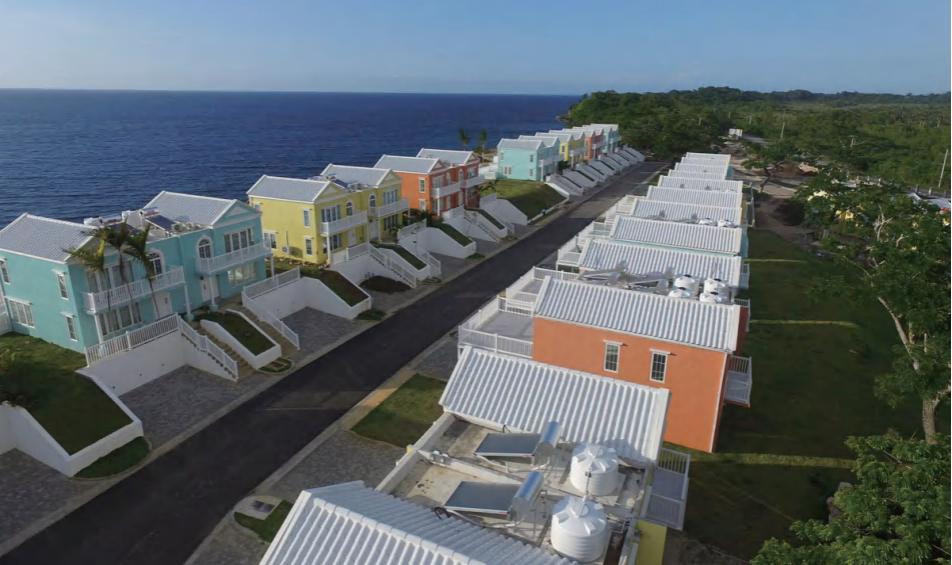
Compact heat-pipe systems should be purchased with a maintenance plan because roof equipment sees heat, wind, scale, and seasonal temperature swings. SOLETKS publishes a Florida resort villa hot-water project using flat-plate water heaters for 200 L/day villa demand, a useful reference before moving to larger centralized systems.
| Component or task | Maintenance interval | Planning value | Причина |
|---|---|---|---|
| evacuated tubes | Visual inspection every 6 months | 10-15 years service planning | Broken vacuum reduces heat gain because insulation performance falls. |
| Heat pipe condenser seat | Inspection every 12 months | 5-8 years seal planning | Poor contact reduces heat transfer to the tank or manifold. |
| Tank anode or corrosion protection | Inspect every 12 months where applicable | 1-3 years anode planning | Sacrificial anodes protect steel tanks by corroding first. |
| Mounting frame and fasteners | Inspect every 6 months | 15+ years frame planning with maintained coating | Wind vibration loosens fasteners and increases roof risk. |
| Backup heater and thermostat | Test every 12 months | 5-8 years electrical planning | Faulty control overheats water or leaves users with cold supply. |
| Pressure and relief devices | Test every 12 months | Replace per local code or manufacturer interval | Stuck relief devices create safety risk under thermal expansion. |
Standards and Certificates
Standards should be attached to the actual model and destination market, not used as generic badges. SOLETKS quality materials reference Solar Keymark, CE, ISO systems, and quality processes; request certificate copies that match the ordered model and market.
| Standard or certificate | Сфера применения | Правило запроса предложений |
|---|---|---|
| ISO 9806:2017 | Collector performance test method | Request model-specific performance evidence. |
| Solar Keymark | European solar thermal certification route | Use it when the destination market requests it. |
| CE | EU conformity route | Request CE documents for supplied electrical or product scope. |
| ISO 9001 | Управление качеством | Use it for supplier-process qualification. |
| ISO 14001 | Экологический менеджмент | Use it for factory-system qualification. |
| ISO 45001 | Occupational health and safety management | Use it for supplier-system qualification. |
| UL 508A | Control panel scope | Use it when the supplied panel enters a UL market. |
| NSF/ANSI 61 | Материалы, контактирующие с питьевой водой | Use it when local potable-water approval requires it. |
RFQ Inputs for SOLETKS
An RFQ for a compact heat pipe solar heater should describe the user load and roof condition. SOLETKS provides contact paths and technical consultation through the service website.
Send project data through the Страница контактов SOLETKS and ask for a model recommendation, mounting drawing, tank direction, and certificate pack.
Specification Checklist
The specification checklist should lock the heater, roof, tank, and backup requirements before price comparison. Keep this checklist with the RFQ so each supplier quotes the same scope.
| Элемент | Minimum specification |
|---|---|
| Heater type | Compact heat pipe solar heater or split heat pipe system |
| Объём бака | L, pressure class, insulation, corrosion protection |
| Tube and condenser | Tube size, heat-pipe structure, spare tube policy |
| Нагрузка на крышу | Filled mass, frame layout, wind/snow requirement |
| Backup heat | Power rating, thermostat logic, safety devices |
| Temperature target | Delivery temperature and maximum tank temperature |
| Standards | ISO 9806:2017, CE, Solar Keymark, NSF/ANSI 61 if applicable |
| Обслуживание | Tube access, anode access, relief valve, drain point |
| Документы | Datasheet, installation guide, packing list, warranty terms |
Frequently Asked Questions
Is a compact heat pipe solar heater good for cold climates?
Does a heat pipe heater work without electricity?
What tank size fits a four-person household?
Which is better: compact heat pipe or split heat pipe?
Источники
- SOLETKS heat pipe heater and solar hot-water product pages: Тепловая трубка солнечного водонагревателя и Системы солнечного горячего водоснабжения.
- Water-heating calculation uses the standard heat formula: water volume x temperature rise x 4.186 / 3600.
- Roof load and electrical installation must follow local building and electrical code plus supplied mounting drawings.
- SOLETKS Florida resort villa hot-water project reference: 200 L/day hot-water supply per villa.
- SOLETKS quality assurance и contact pages.
Match the compact heater to the roof, not only the tank size
Send SOLETKS the daily water load, tank class, roof structure, winter temperature, backup heater preference, and destination standards so the model, mounting, certificate pack, and service plan are aligned.