
Solar Pool Heating for Hotels and Commercial Pools: Flat Plate, Evacuated Tube or PVT?
Choose the collector by season and by what else the building needs, then size the field from the pool itself.
Kısa cevap: for an outdoor pool heated only in warm months, a simple unglazed collector is often the most cost-effective choice. For year-round heating, or a hotel that also needs hot water, glazed flat plate collectors are usually the stronger option. PVT suits sites that are short of roof space and also want electricity. Evacuated tubes are rarely needed for pool temperatures alone.
A pool cover comes first. It can reduce the collector area needed by half or more.
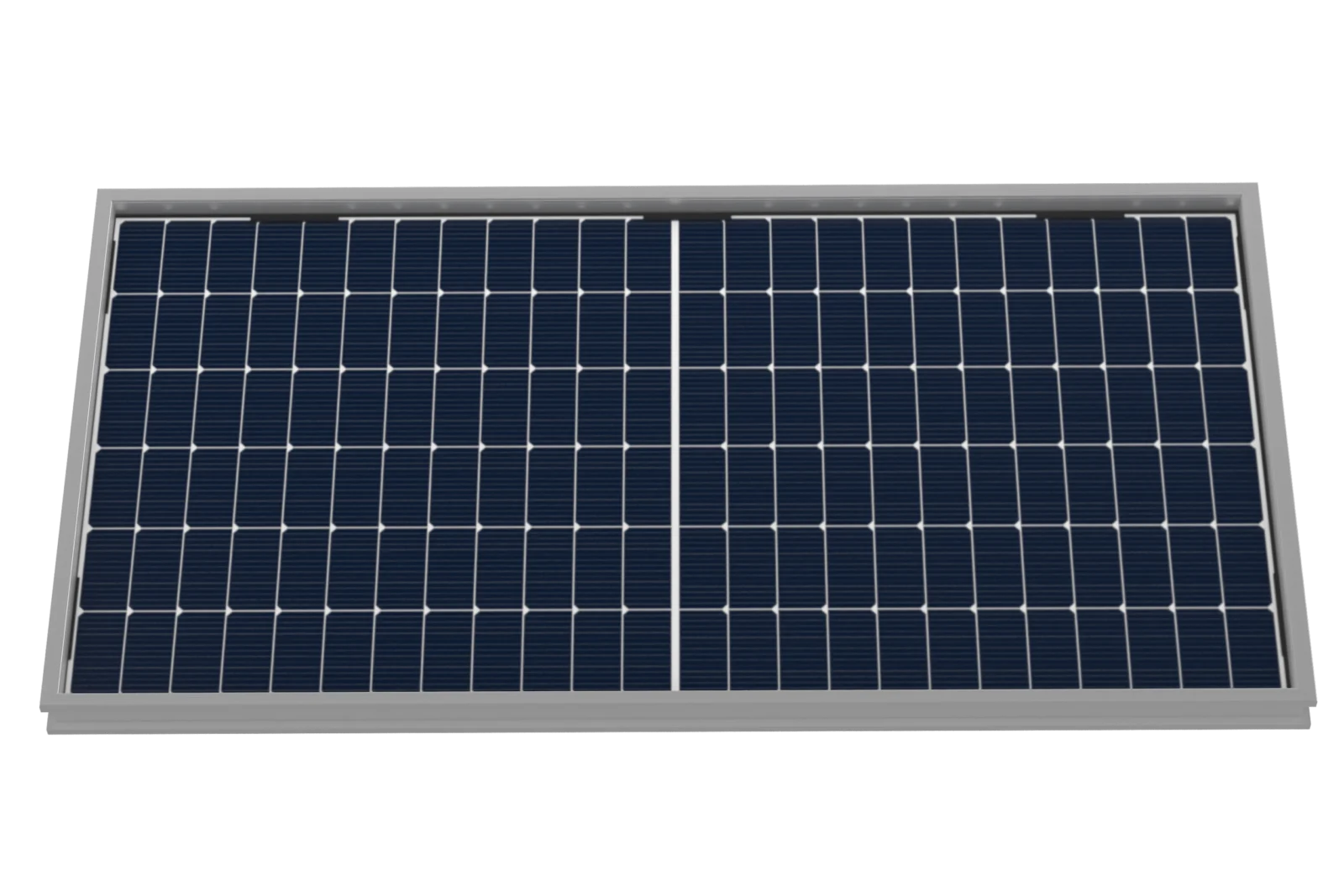
Compare the collector options
| Kolektör | En uygun seçenek | Main limit |
|---|---|---|
| Unglazed plastic absorber | Seasonal outdoor pools in mild weather | Pool heating only. Weak in cold or windy conditions |
| Glazed flat plate | Year-round use, and hotels that also need hot water | Often costs several times more than unglazed. Needs a heat exchanger and transfer fluid |
| Evacuated tube | Cold sites, or a field also serving higher-temperature loads | More capability than a pool usually needs. Summer overheating needs managing |
| PVT | Limited roof, with a use for electricity and low-temperature heat | Highest design complexity. Depends on a steady heat load |
Şu IEA Solar Heating and Cooling Programme describes unglazed systems as the most efficient and cost-effective choice for mild weather, and notes that glazed systems can also supply domestic hot water all year. SOLETKS's range covers glazed flat plate, evacuated tube and PVT collectors, which suit year-round heating and hotels that combine pool and hot-water loads.
Why a hotel may choose differently from a pool owner
A pool can absorb a lot of heat at low temperature, while guest rooms need hot water at higher temperature. A shared glazed field can serve hot water first, then send surplus heat to the pool. That gives the summer surplus somewhere useful to go. See the hotel and hospital solar guide for the hot-water side, including hygiene controls.
Where PVT fits
Pool water is a good low-temperature heat sink, which keeps PVT panels cooler during operation. PVT-T leans toward thermal output, with 1,380 W listed peak thermal power and 500 W of PV per panel. It is worth comparing where the same roof must also supply electricity. For costs, see the PVT price guide.
Start with the pool cover
The Florida Solar Energy Center (FSEC) states that using a cover “retains more than two-thirds of the collected heat needed to maintain a comfortable swimming temperature.” Its sizing method shows how much that matters: an uncovered pool needs 2.1 to 2.9 times the collector area of a covered one, depending on the length of the swimming season.
On a hotel pool, ask the operator whether a cover can be used every night. If staffing or safety rules make that unrealistic, size the system on what will actually happen.
Size the field from the pool area
The rules below are for outdoor pools. In an indoor pool, much of the heat loss goes into the pool hall air and is handled by the ventilation and dehumidification system, so plan solar together with the HVAC designer.
A common starting point is the collector ratio: collector area divided by pool surface area. FSEC's values for covered pools in Florida range from about 0.68 (South Florida, 10-month season) to 1.25 (North Florida, 12-month season), with accuracy of about ±20%. These are local values for a warm climate and comfort temperatures of about 26–27°C in spring and autumn, so they are a sense check, not a global rule. Use a simulation with local weather for your final design.
Worked example: 25 × 12 m hotel pool
All inputs below are assumptions for illustration.
| Step | Hesaplama | Result |
|---|---|---|
| Pool surface and volume, 1.5 m average depth | 25 × 12; 300 × 1.5 | 300 m²; 450 m³ |
| Heat to raise the pool from 18°C to 26°C once | 450,000 kg × 8 K × 4.186 ÷ 3,600 | about 4,186 kWh |
| Assumed daily heat to replace, covered at night | 300 m² × 2 kWh/m² | 600 kWh/day |
| Assumed useful collector yield (FSEC default of 850 Btu/ft²) | 850 × 3.155 ÷ 1,000 | about 2.7 kWh/m²/day |
| Collector area needed | 600 ÷ 2.68 | about 224 m² (ratio 0.75) |
| Number of EFPC150 modules (13.92 m² aperture) | 224 ÷ 13.92, rounded up | 17 modules, about 5,355 kg empty |
| Same pool left uncovered (× 2.1) | 224 × 2.1 | about 470 m², or 34 modules |
FSEC's default of 850 is a daily rating for typical pool collectors in Florida, applied here to the EFPC150's aperture area as a simplification. Check the yield for your own site and collector, and treat the module count as a first estimate. The example also shows the main point: without a cover, the roof must carry twice as many modules. The first heat-up takes far longer than a normal day, so plan for it to run over several days or use backup heat.
Plan the hydraulics
- Keep pool water out of glazed collectors. Use a closed collector loop and a heat exchanger, unless the collector maker approves direct pool water. The direct vs indirect guide explains the trade-offs.
- Choose the exchanger for pool chemistry. Chlorinated or salt water can attack common exchanger materials. Give the supplier your water treatment details and get the material confirmed in writing. Titanium is a common choice for this reason.
- Check the flow. In the example, 237 m² of aperture at an assumed 0.7 kW/m² gives about 166 kW at peak. With a 5 K rise on the pool side, that needs about 28 m³/h. Check this against the filtration pump and pipework, as a booster pump may be needed.
- Control by temperature difference. The pump should run only when the collectors are usefully hotter than the pool, with a limit on maximum pool temperature.
- Plan for no-load periods. When the pool is at temperature or closed for maintenance, the field still collects heat. Agree on the glycol, expansion and overheating strategy at the design stage.
- Keep backup heating. Solar can meet up to 100% of the pool heating need in the right conditions, but a commercial pool with a fixed temperature usually still needs a boiler or heat pump.
Orientation and tilt
The IEA suggests facing the equator, with little loss up to about 15° either side. Use a tilt of latitude minus 10–15° for summer heating, latitude plus 10–15° for winter heating, and about latitude for year-round use.
What to send for a quotation
- Pool size, depth, indoor or outdoor, target temperature and months of use
- Whether a cover will be used, and how often
- Water treatment type: chlorine, salt or other
- Current heater type and its fuel cost
- Available roof or ground area, and photos
- Whether the same field should also supply hot water or electricity
Frequently asked questions
How many solar collectors does a commercial pool need?
As a first check, a covered pool in a warm climate may need collector area of about 70–125% of its surface area. An uncovered pool needs at least about twice that. Confirm with local weather data.
Can a solar water heater also heat a pool?
Yes, if the system is designed for it. A shared glazed field with a heat exchanger can serve hot water first and then the pool. Connecting a pool to an existing system without a design check is not advisable.
Do I need evacuated tubes for a pool?
Usually not. Pool water is low-temperature, where simpler collectors work well. They may make sense in cold climates or when the field also serves a higher-temperature load.
Can pool water run directly through a flat plate collector?
Only with the manufacturer's written approval for that water chemistry. For glazed collectors, a closed loop with a heat exchanger is the safer default.
Ask SOLETKS to review your pool project
Send the details listed above, and ask for a collector proposal with the sizing assumptions stated.
Kaynaklar
- IEA SHC: Solar Pool Heating
- Florida Solar Energy Center: Sizing and Economics, solar pool heating guide (fsec.ucf.edu)
The worked example uses illustrative assumptions and is not a design. It does not describe a completed SOLETKS project.