Introduction: The Critical Question of Water Quality
Homeowners who have installed житлові сонячні водонагрівачі often wonder about a fundamental question: Is the water heated by my solar system safe to drink? This seemingly simple question has important implications for health, safety, and the practical use of solar-heated water in daily life.
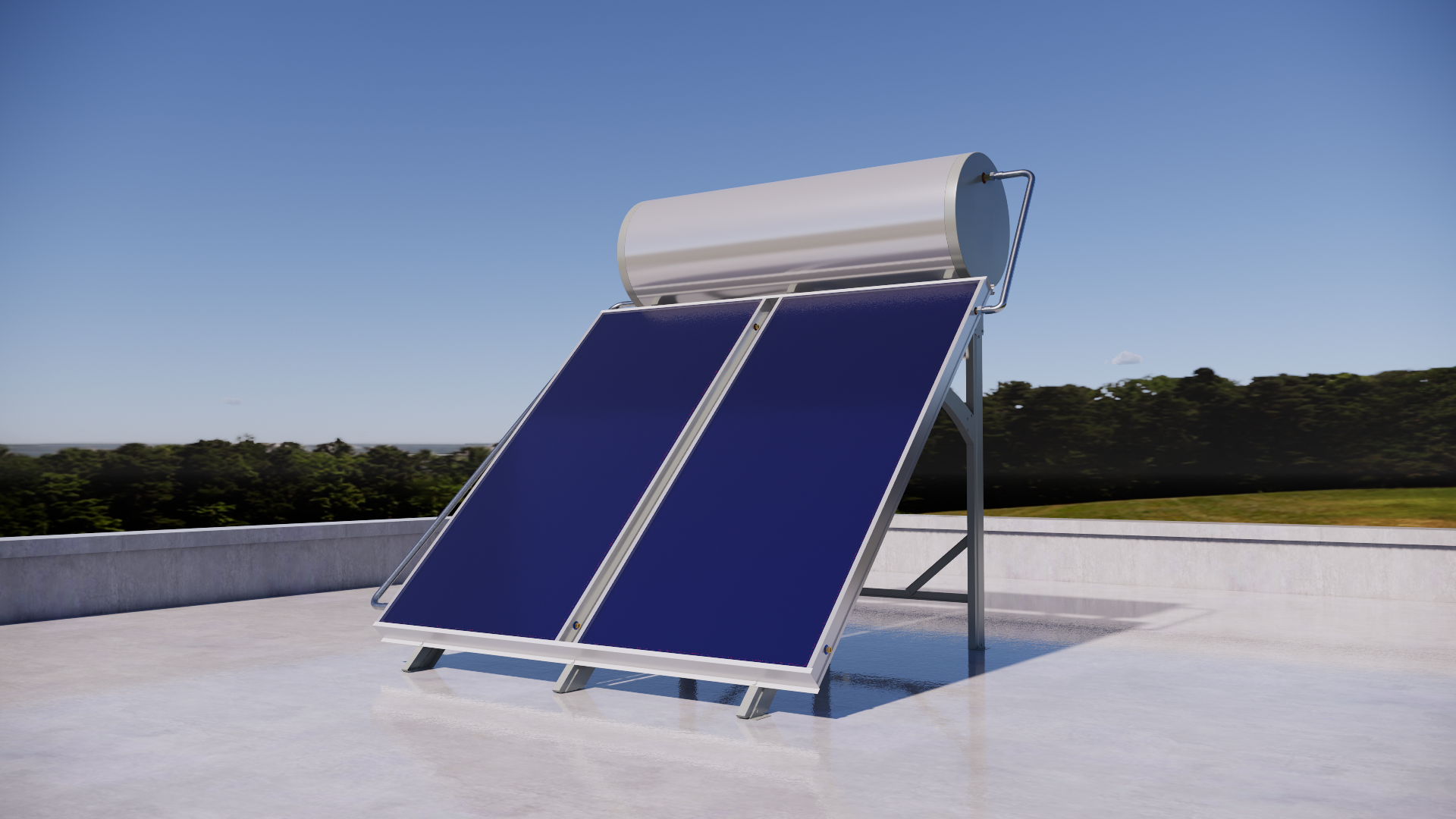
Modern residential solar water heater system
The temptation to use solar-heated water for drinking is understandable. When you need hot water for tea, coffee, or cooking, the readily available hot water from your solar system seems like a convenient option. However, the safety of consuming this water depends on numerous factors including system design, materials, maintenance practices, and water storage conditions.
⚠️ Critical Question
This comprehensive guide examines the water quality considerations for residential solar water heaters, analyzing the materials involved, potential contamination sources, health risks, and best practices for ensuring safe water use.
Shandong Soletks Solar Technology Co., Ltd., with extensive experience in solar water heating technology, provides this detailed analysis to help homeowners make informed decisions about using solar-heated water safely.
Understanding Solar Water Heater Technology
What is a Solar Water Heater?
A solar water heater is a sophisticated device that converts solar radiation into thermal energy, heating water from ambient temperature to usable hot water temperatures for various household applications including bathing, cleaning, and potentially cooking.
Basic Operating Principle
- Solar Collection: Solar collectors capture sunlight and convert it to heat
- Передача тепла: Thermal energy transfers to water through direct or indirect means
- Природна конвекція: Hot water rises while cold water sinks, creating circulation
- Збереження тепла: Insulated tanks store heated water for use when needed
- Керування температурою: Controls and mixing valves deliver water at safe, comfortable temperatures
Market Overview
| Type |
Market Share |
Primary Application |
Water Contact |
| Vacuum Tube Solar Water Heaters |
95% |
Residential, small commercial |
Direct (integrated) or indirect |
| Flat Plate Solar Water Heaters |
5% |
Residential, commercial |
Typically indirect |
| Thermodynamic Solar Panels |
<1% |
Житловий сектор |
Indirect (refrigerant loop) |
The overwhelming dominance of vacuum tube systems in residential applications makes them the primary focus for water quality considerations.
cURL Too many subrequests.
cURL Too many subrequests.
cURL Too many subrequests.
cURL Too many subrequests.
cURL Too many subrequests.
cURL Too many subrequests.
cURL Too many subrequests.
cURL Too many subrequests.
cURL Too many subrequests.
cURL Too many subrequests.
cURL Too many subrequests.
| Матеріал |
cURL Too many subrequests. |
cURL Too many subrequests. |
Міцність |
cURL Too many subrequests. |
| cURL Too many subrequests. |
cURL Too many subrequests. |
Відмінний |
15-25 років |
cURL Too many subrequests. |
| cURL Too many subrequests. |
cURL Too many subrequests. |
cURL Too many subrequests. |
cURL Too many subrequests. |
Мінімальний |
| cURL Too many subrequests. |
Добре |
cURL Too many subrequests. |
cURL Too many subrequests. |
cURL Too many subrequests. |
| cURL Too many subrequests. |
Поганий |
cURL Too many subrequests. |
5-10 років |
cURL Too many subrequests. |
cURL Too many subrequests.
cURL Too many subrequests.
- cURL Too many subrequests. cURL Too many subrequests.
- cURL Too many subrequests. cURL Too many subrequests.
- cURL Too many subrequests. cURL Too many subrequests.
- cURL Too many subrequests. cURL Too many subrequests.
cURL Too many subrequests.
cURL Too many subrequests.
cURL Too many subrequests.
| cURL Too many subrequests. |
Матеріал |
cURL Too many subrequests. |
Термін служби |
Contamination Risk |
| Преміум |
Medical-grade silicone |
-40°C to 200°C |
15-20 років |
Мінімальний |
| Standard |
Силікон харчового класу |
-20°C to 150°C |
10-15 років |
Низький |
| Economy |
Industrial silicone |
-10°C to 120°C |
5-10 років |
Помірний |
| Poor Quality |
Unknown rubber |
Limited range |
2-5 years |
High (degradation products) |
Integrated vs. Indirect Solar Water Heaters
Integrated (Direct) Systems
Potable water flows directly through vacuum tubes. Simpler design, lower cost. Water directly exposed to all collector components.
Indirect (Heat Exchanger) Systems
Heat transfer fluid circulates through collectors. Heat exchanger transfers energy to potable water. Better water quality protection.
Indirect systems offer superior water quality protection by isolating potable water from the solar collection environment. However, properly maintained integrated systems with food-grade materials can also provide acceptable water quality for most uses.
Наші житлові сонячні водонагрівачі are available in both integrated and indirect configurations, with all materials selected for water quality and safety.
Water Quality Concerns in Solar Water Heaters
While the materials used in quality solar water heaters are generally safe, several factors can compromise water quality over time.
1. Stagnation and Bacterial Growth
⚠️ The Stagnation Problem
Unlike conventional water heaters that are constantly replenished with fresh water, solar water heater tanks may contain water that remains in the system for extended periods, creating ideal conditions for bacterial proliferation.
Why Stagnation Occurs
- Variable usage patterns: Water consumption varies daily and seasonally
- Oversized systems: Tanks larger than needed for actual usage
- Vacation periods: Extended periods without water use
- Low-demand seasons: Reduced hot water needs in summer
- Dead legs: Piping sections with no flow
Bacterial Growth Conditions
| cURL Too many subrequests. |
Optimal for Bacteria |
cURL Too many subrequests. |
| Температура |
cURL Too many subrequests. |
cURL Too many subrequests. |
| cURL Too many subrequests. |
cURL Too many subrequests. |
cURL Too many subrequests. |
| cURL Too many subrequests. |
cURL Too many subrequests. |
cURL Too many subrequests. |
| Застій |
cURL Too many subrequests. |
cURL Too many subrequests. |
| cURL Too many subrequests. |
cURL Too many subrequests. |
cURL Too many subrequests. |
cURL Too many subrequests.
cURL Too many subrequests.
Викликає хворобу легіонерів (важку пневмонію). Розвивається при 25-45°C. Поширюється через вдихання водних аерозолів. Особливо небезпечний для людей похилого віку та з ослабленим імунітетом.
cURL Too many subrequests.
cURL Too many subrequests.
cURL Too many subrequests.
cURL Too many subrequests.
cURL Too many subrequests.
| Температура |
cURL Too many subrequests. |
cURL Too many subrequests. |
Рекомендація |
| cURL Too many subrequests. |
cURL Too many subrequests. |
cURL Too many subrequests. |
cURL Too many subrequests. |
| cURL Too many subrequests. |
cURL Too many subrequests. |
cURL Too many subrequests. |
cURL Too many subrequests. |
| cURL Too many subrequests. |
cURL Too many subrequests. |
cURL Too many subrequests. |
cURL Too many subrequests. |
| cURL Too many subrequests. |
cURL Too many subrequests. |
cURL Too many subrequests. |
cURL Too many subrequests. |
| cURL Too many subrequests. |
cURL Too many subrequests. |
cURL Too many subrequests. |
cURL Too many subrequests. |
| 60-65°C |
Effective disinfection |
90% kill in 2 minutes |
Good safety margin |
| >70°C |
Rapid disinfection |
Instant kill |
Excellent (but scalding risk) |
✓ Recommended Temperature Strategy
- Storage temperature: Maintain tank at 60°C (140°F) minimum
- Thermal disinfection: Weekly heating to 70°C for 30 minutes
- Delivery temperature: Use thermostatic mixing valves to deliver 49°C (120°F) at fixtures
- Циркуляція: Ensure regular water turnover throughout system
2. Scale and Sediment Accumulation
Hard water contains dissolved minerals that precipitate when heated, forming scale deposits.
Вплив накипу на продуктивність системи
| Товщина накипу |
Heat Transfer Reduction |
Втрати ефективності |
Flow Restriction |
Damage Risk |
| 0.5 mm |
5-8% |
Мінімальний |
Жоден |
Низький |
| 1-2 мм |
12-18% |
Помірний |
Slight |
Помірний |
| 3-5 мм |
25-35% |
Значна |
Помірний |
Високий |
| >5 mm |
40-60% |
Серйозний |
Серйозний |
Дуже високий |
Health and Safety Concerns
⚠️ Scale-Related Health Risks
- Bacterial Harboring: Scale provides rough surface for biofilm attachment and protects bacteria from disinfection
- Heavy Metal Concentration: Scale can concentrate heavy metals from water supply
- Particulate Contamination: Scale flakes break off and enter water stream
- Chemical Contamination: Scale treatment chemicals may leave residues
Scale Prevention and Removal
| Method |
Ефективність |
Частота |
Safety for Drinking Water |
| Mechanical flushing |
Moderate (loose sediment only) |
Щомісячно |
cURL Too many subrequests. |
| Vinegar circulation |
Good (mild scale) |
Щорічно |
Safe after thorough flushing |
| cURL Too many subrequests. |
Very good |
Кожні 1-2 роки |
Safe after thorough flushing |
| Commercial descalers |
Відмінний |
Кожні 2-3 роки |
Follow manufacturer instructions |
| Professional service |
Відмінний |
Кожні 3-5 років |
cURL Too many subrequests. |
cURL Too many subrequests.
cURL Too many subrequests.
cURL Too many subrequests.
cURL Too many subrequests.
| cURL Too many subrequests. |
cURL Too many subrequests. |
cURL Too many subrequests. |
cURL Too many subrequests. |
| cURL Too many subrequests. |
cURL Too many subrequests. |
cURL Too many subrequests. |
cURL Too many subrequests. |
| cURL Too many subrequests. |
cURL Too many subrequests. |
cURL Too many subrequests. |
cURL Too many subrequests. |
| cURL Too many subrequests. |
cURL Too many subrequests. |
cURL Too many subrequests. |
cURL Too many subrequests. |
| cURL Too many subrequests. |
cURL Too many subrequests. |
cURL Too many subrequests. |
cURL Too many subrequests. |
| cURL Too many subrequests. |
cURL Too many subrequests. |
cURL Too many subrequests. |
cURL Too many subrequests. |
cURL Too many subrequests.
cURL Too many subrequests.
cURL Too many subrequests.
cURL Too many subrequests.
| cURL Too many subrequests. |
cURL Too many subrequests. |
cURL Too many subrequests. |
cURL Too many subrequests. |
| cURL Too many subrequests. |
cURL Too many subrequests. |
Жоден |
- |
| cURL Too many subrequests. |
cURL Too many subrequests. |
Низький |
cURL Too many subrequests. |
| cURL Too many subrequests. |
Methemoglobinemia risk |
Помірний |
Немовлята (“синдром блакитної дитини”) |
| >50 mg/L |
Acute toxicity |
Високий |
All populations |
Realistic Assessment
For properly maintained residential solar water heaters with regular use and adequate temperature control, nitrite/nitrosamine formation is unlikely to pose significant health risk. However, the prudent approach is to avoid using solar-heated water for drinking or cooking, especially for vulnerable populations.
Can Solar Water Heater Water Be Safely Consumed?
⚠️ The Short Answer: Not Recommended
Official Recommendation: Water from residential solar water heaters should NOT be used for drinking or cooking, even if the system uses food-grade materials.
Reasoning
While the materials in quality solar water heaters are food-safe, multiple factors compromise water quality:
- Застій: Water sits in the system for extended periods
- Ріст бактерій: Warm, stagnant water promotes bacterial proliferation
- Магнієві та осадові відкладення: Accumulated deposits harbor contaminants
- External contamination: Vents and environmental exposure introduce contaminants
- Repeated heating: Potential for nitrite formation
- Maintenance challenges: Difficult to maintain drinking water standards
- Quality variability: Not all systems use food-grade materials
Detailed Analysis by Use Case
Drinking Water
NOT RECOMMENDED
Bacterial contamination, chemical contaminants, potential nitrite exposure, particulate matter, taste and odor issues
Cooking Water
NOT RECOMMENDED
Same contamination risks as drinking water. Contaminants may concentrate during cooking. Some contaminants not eliminated by boiling.
Bathing & Showering
GENERALLY SAFE
Safe with proper temperature control (60°C minimum) and regular maintenance. Extra precautions for vulnerable populations.
Пральня
SAFE
Detergents provide additional disinfection. Clothes are dried (heat kills bacteria). No direct consumption or inhalation.
Dishwashing
CAUTION ADVISED
Use detergent and rinse with fresh cold water. Dishwashers generally safe if functioning properly.
General Cleaning
SAFE
cURL Too many subrequests.
cURL Too many subrequests.
cURL Too many subrequests.
cURL Too many subrequests.
cURL Too many subrequests. NOT RECOMMENDED
cURL Too many subrequests.
cURL Too many subrequests. cURL Too many subrequests.
Integrated (Direct) Systems
cURL Too many subrequests. NOT RECOMMENDED
Indirect (Heat Exchanger) Systems
cURL Too many subrequests. cURL Too many subrequests.
cURL Too many subrequests.
cURL Too many subrequests.
cURL Too many subrequests.
cURL Too many subrequests.
| Технологія |
Ефективність |
Вартість |
Обслуговування |
cURL Too many subrequests. |
| cURL Too many subrequests. |
cURL Too many subrequests. |
Низький |
cURL Too many subrequests. |
cURL Too many subrequests. |
| cURL Too many subrequests. |
cURL Too many subrequests. |
cURL Too many subrequests. |
cURL Too many subrequests. |
cURL Too many subrequests. |
| cURL Too many subrequests. |
cURL Too many subrequests. |
Помірний |
cURL Too many subrequests. |
cURL Too many subrequests. |
| cURL Too many subrequests. |
cURL Too many subrequests. |
Помірний |
cURL Too many subrequests. |
cURL Too many subrequests. |
| cURL Too many subrequests. |
cURL Too many subrequests. |
Високий |
cURL Too many subrequests. |
cURL Too many subrequests. |
cURL Too many subrequests.
- cURL Too many subrequests. - Видаляє тверді частинки, частинки накипу
- cURL Too many subrequests. - Видаляє хлор, органічні сполуки, смак, запах
- cURL Too many subrequests. - Видаляє розчинені забруднення, важкі метали, бактерії
- Stage 4: UV Disinfection (optional) - Фінальна бактеріальна/вірусна дезінфекція
Cost Considerations
| Тип системи |
Initial Cost |
Щорічне обслуговування |
10-Year Total Cost |
| Basic carbon filter |
$50-150 |
$50-100 |
$550-1,150 |
| Under-sink RO system |
$200-500 |
$100-200 |
$1,200-2,500 |
| Whole-house system |
$1,000-3,000 |
$200-400 |
$3,000-7,000 |
2. Dedicated Drinking Water System
Configuration
Solar water heater for bathing, cleaning, laundry. Conventional water heater or instant heater for kitchen. Cold water supply direct from municipal supply for drinking.
Переваги
Clear separation of uses. No risk of consuming contaminated water. Simpler than whole-system purification.
Недоліки
Requires separate hot water system for kitchen. Higher energy costs. More complex plumbing.
Best Practices for Water Quality
1. System Design & Installation
Choose quality systems with food-grade materials. Proper sizing ensures regular water turnover. Consider indirect systems for better protection.
2. Temperature Management
Maintain 60°C minimum. Weekly thermal disinfection at 70°C. Install thermostatic mixing valves. Monitor temperatures regularly.
3. Регулярне обслуговування
Monthly visual inspection. Quarterly flushing. Annual professional service. Every 3-5 years complete descaling.
4. Usage Patterns
Daily use prevents stagnation. Avoid oversizing. Implement vacation protocols. Flush first draw after overnight stagnation.
5. Water Quality Monitoring
Visual inspection for discoloration. Annual bacterial testing. Monitor water hardness. Professional analysis every 2-3 years.
6. System Upgrades
Replace non-food-grade components. Install better filtration. Add UV disinfection. Upgrade to indirect configuration.
Наші residential solar water heater systems are designed with water quality in mind, using food-grade materials and configurations that facilitate proper maintenance.
Special Considerations for Different Water Sources
Municipal Water Supply
Переваги
Pre-treated to drinking water standards. Chlorinated (provides residual disinfection). Regularly tested and monitored. Consistent quality.
Considerations for Solar Water Heaters
Chlorine dissipates in storage (loses disinfection benefit). May contain scale-forming minerals. Temperature and stagnation still allow bacterial growth.
Recommendation: Навіть при наявності муніципального водопостачання не використовуйте нагріту сонцем воду для пиття без додаткової обробки.
Well Water
⚠️ Additional Challenges
- Not treated or monitored like municipal supply
- May contain high mineral content (hard water)
- cURL Too many subrequests.
- cURL Too many subrequests.
cURL Too many subrequests.
- cURL Too many subrequests.
- cURL Too many subrequests.
- cURL Too many subrequests.
- cURL Too many subrequests.
cURL Too many subrequests.
- cURL Too many subrequests.
- cURL Too many subrequests.
- cURL Too many subrequests.
- cURL Too many subrequests.
- cURL Too many subrequests.
cURL Too many subrequests.
cURL Too many subrequests.
- cURL Too many subrequests.
- cURL Too many subrequests.
- cURL Too many subrequests.
- cURL Too many subrequests.
cURL Too many subrequests.
- cURL Too many subrequests.
- cURL Too many subrequests.
- cURL Too many subrequests.
- cURL Too many subrequests.
cURL Too many subrequests.
cURL Too many subrequests.
На питання “Чи чиста вода в побутових сонячних водонагрівачах?” є кілька варіантів відповіді, які залежать від багатьох факторів, включаючи конструкцію системи, матеріали, технічне обслуговування та цільове використання.
Ключові висновки
cURL Too many subrequests.
Якісні сонячні водонагрівачі використовують харчові матеріали (нержавіючу сталь, скло, харчовий силікон). Самі матеріали безпечні для контакту з водою. Однак безпека матеріалів сама по собі не гарантує придатність води для пиття.
cURL Too many subrequests.
cURL Too many subrequests.
cURL Too many subrequests.
cURL Too many subrequests.
Solutions for Safe Use
cURL Too many subrequests.
cURL Too many subrequests.
- cURL Too many subrequests.
- cURL Too many subrequests.
- cURL Too many subrequests.
- Вартість: cURL Too many subrequests.
cURL Too many subrequests.
- cURL Too many subrequests.
- cURL Too many subrequests.
- Clear separation eliminates risk
- Вартість: Additional heater installation and operating costs
Option 3: Enhanced Maintenance
- Maintain 60°C minimum storage temperature
- Weekly thermal disinfection (70°C for 30 minutes)
- Quarterly flushing and cleaning
- Annual professional service and water testing
- Still not recommended for drinking without additional treatment
Best Practices Summary
Regardless of intended use, follow these best practices:
- Choose quality systems: Invest in systems with certified food-grade materials
- Proper sizing: Size appropriately for usage to ensure regular turnover
- Temperature control: Maintain adequate temperature for bacterial control
- Регулярне обслуговування: Follow systematic maintenance schedule
- Water quality monitoring: Test water quality periodically
- Professional service: Annual professional inspection and service
Realistic Perspective
Solar Water Heaters Are Designed For:
- Bathing and personal hygiene
- Пральня
- Загальне очищення
- Space heating (some systems)
They Are NOT Designed For:
- Drinking water supply
- Cooking water
- Applications requiring drinking water quality standards
Final Recommendation
✓ For bathing, cleaning, and laundry:
Properly maintained residential solar water heaters provide safe, clean water that is appropriate for these uses. The environmental and economic benefits make solar water heating an excellent choice for these applications.
⚠️ For drinking and cooking:
Do not use water directly from residential solar water heaters. Instead:
- Use fresh cold water from the municipal supply or well
- Heat water separately for cooking if needed
- Install point-of-use water purification if you want to use solar-heated water for these purposes
- Consider the small additional energy cost for heating drinking/cooking water separately as a reasonable investment in health and safety
Підсумок: Вода в побутових сонячних водонагрівачах достатньо чиста для купання і прибирання, якщо система належним чином обслуговується, але не рекомендується для пиття або приготування їжі без додаткової обробки. Це не провал технології сонячного водонагрівання - це просто визнання того, що різні сфери застосування мають різні вимоги до якості води.
Розуміючи ці обмеження та дотримуючись відповідних практик, ви можете безпечно користуватися екологічними та економічними перевагами сонячного нагріву води, захищаючи при цьому здоров'я своєї сім'ї.