
By Інженерна команда SOLETKS, the solar thermal product engineering group that supports collector selection, documentation, and project quotation for B2B solar thermal applications.
Custom engineered solar thermal products are useful when a distributor, EPC contractor, or project owner needs a collector, mounting package, tank interface, air-heating unit, control package, or OEM/ODM configuration that standard catalog pages do not fully cover.
The right custom scope starts with load data, installation constraints, destination standards, drawings, sample plan, quality records, packaging, and after-sales documents. Use SOLETKS’ Продукти сонячних колекторів page to compare product families, and use the Комерційна / промислова сонячна система гарячого водопостачання page when the custom product belongs to a larger hot-water plant.
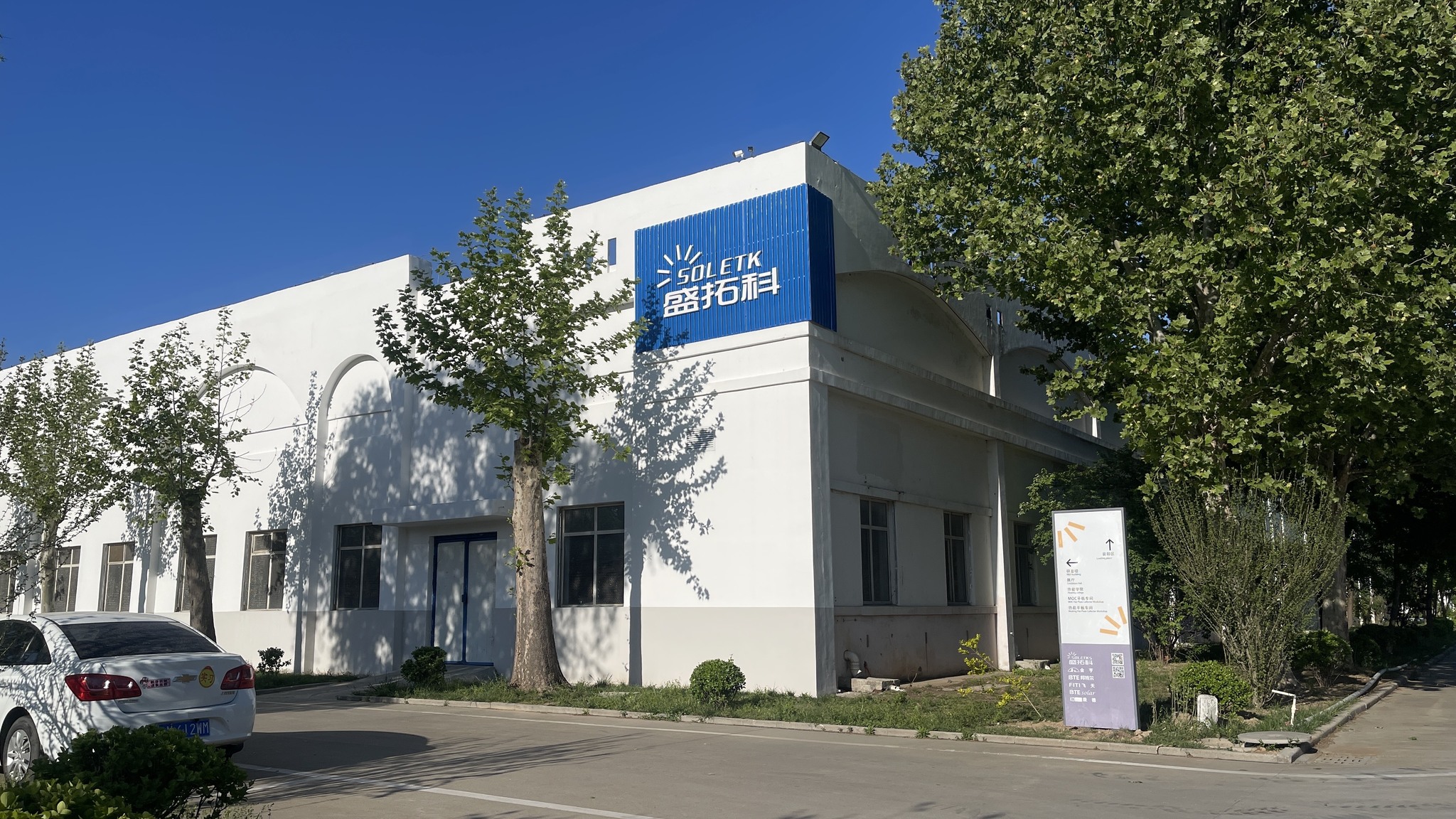
Change Only What the Project Requires
The useful custom question is precise: which requirement cannot be solved by the standard product? Common answers include mounting geometry, manifold direction, absorber coating, airflow connection, tank interface, packaging size, documentation language, project branding, control cabinet scope, or compliance documents.
A vague custom request raises cost and slows engineering because every change must be drawn, sampled, tested, packed, and documented.
Custom Scope Calculation
An EPC quote should calculate the thermal scope before asking for a custom drawing. This worked example uses a screening collector-area method; final design should use project weather data, product test data, and system loss assumptions.
Приклад вхідних даних
- Process preheat target: 120 kWh/day
- Useful solar yield: 3.5 kWh/m2/day
- Candidate module area: 2.0 m2
- Design spare allowance: 10%
Collector area
120 / 3.534.3 m2Base module count
34.3 / 2.017.2 modulesRound up
ceil(17.2)18 modulesSpare-adjusted
18 x 1.1019.8 modulesCustomization Boundaries by Product Family
Custom work should be matched to the product family because air collectors, water collectors, and hybrid systems have different risk points. Mechanism matters: a small manifold change alters pressure drop, while a duct-flange change alters air velocity and fan power.
Flat plate water collector
Frame color, manifold direction, mounting kit, packaging. Control pressure rating and test evidence.
Large flat plate collector
Project frame, row connection, transport method. Control roof load and handling path.
Air collector
Duct flange, airflow direction, insulation, filter access. Control pressure drop and leakage.
Hot-air collector
High-temperature ducting, bypass damper, backup interlock. Control overheating and logic.
Commercial package
Tank interface, heat exchanger, pump station, controls. Control hydraulic balance and backup priority.
Engineering Document Package
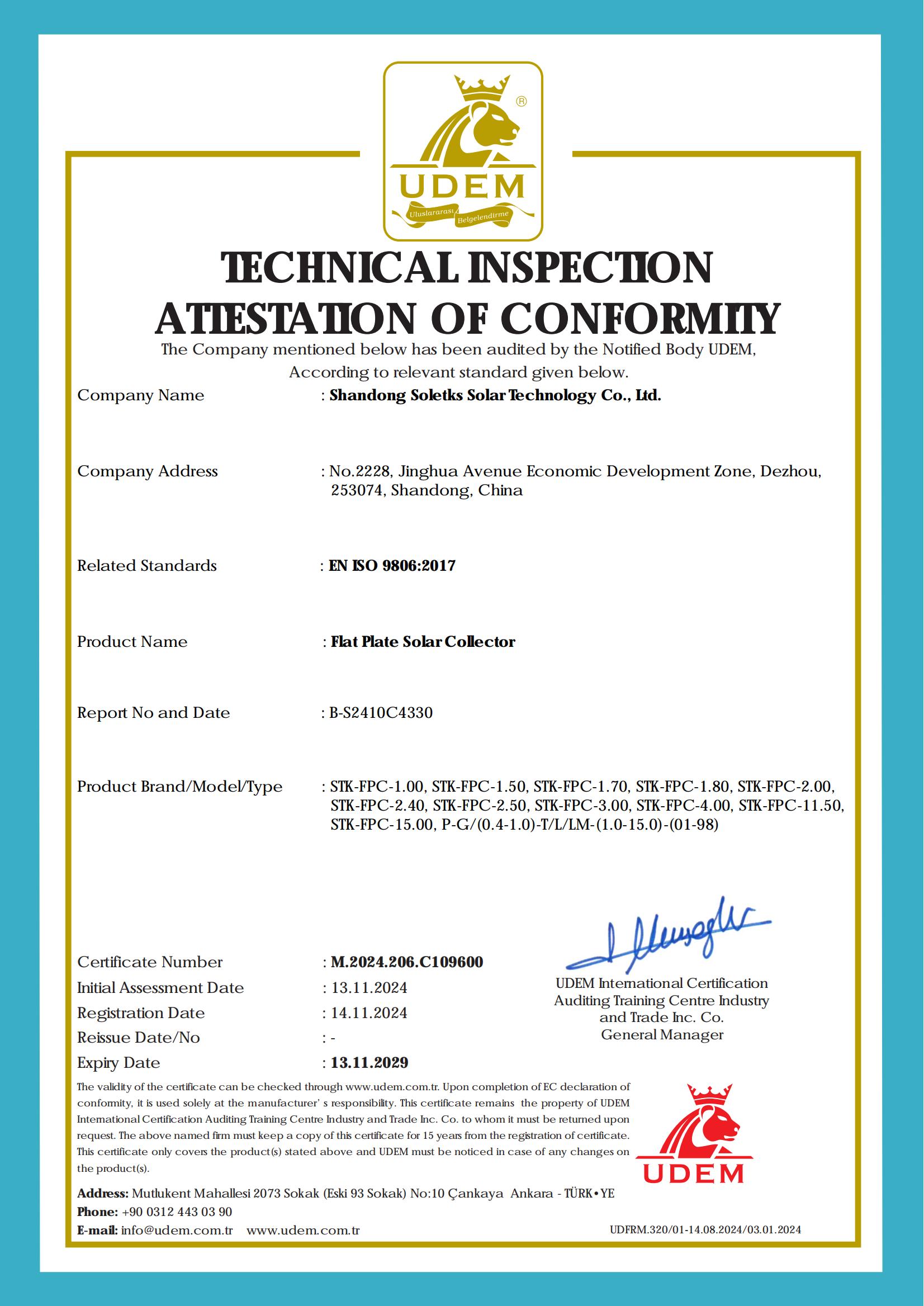
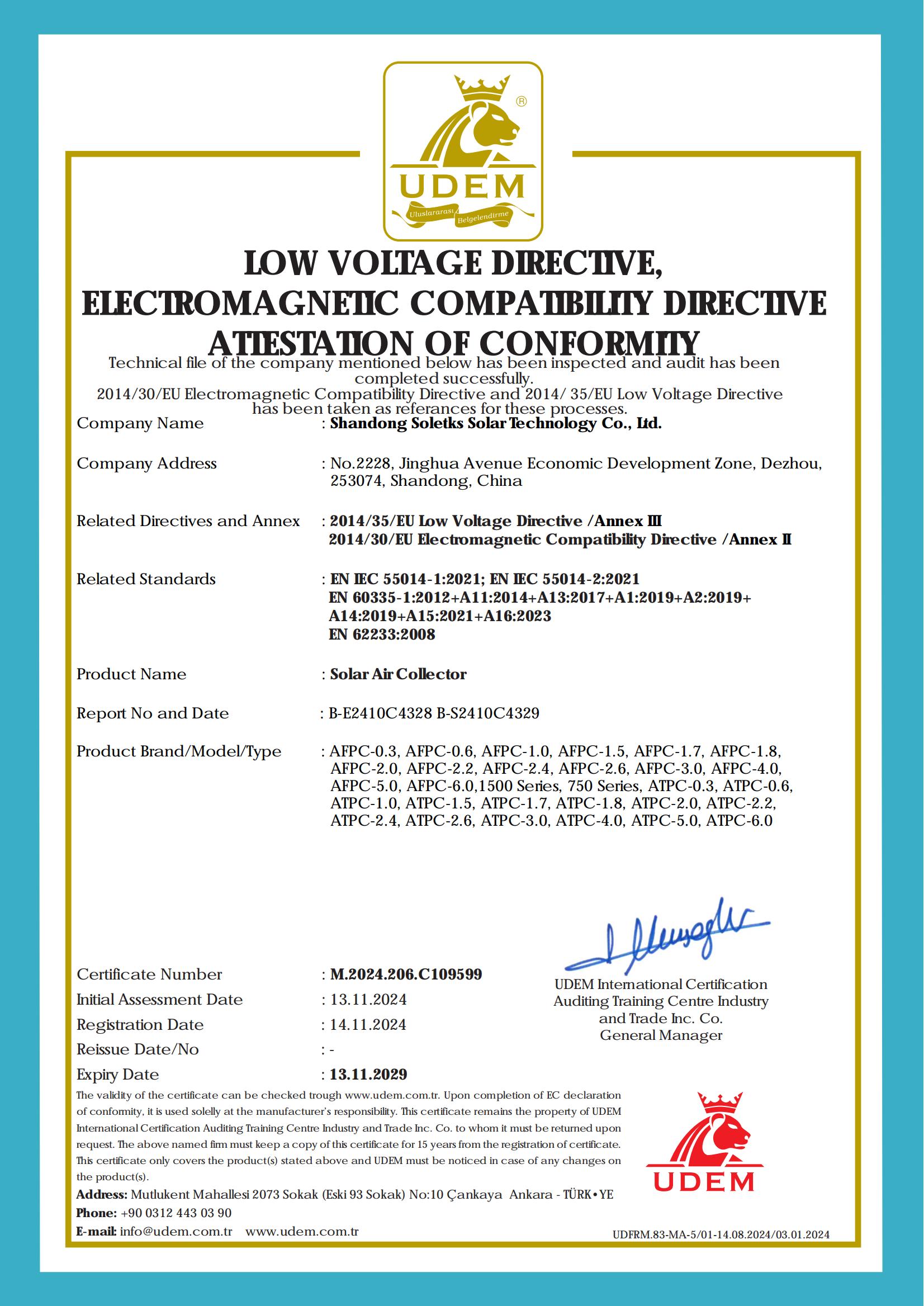
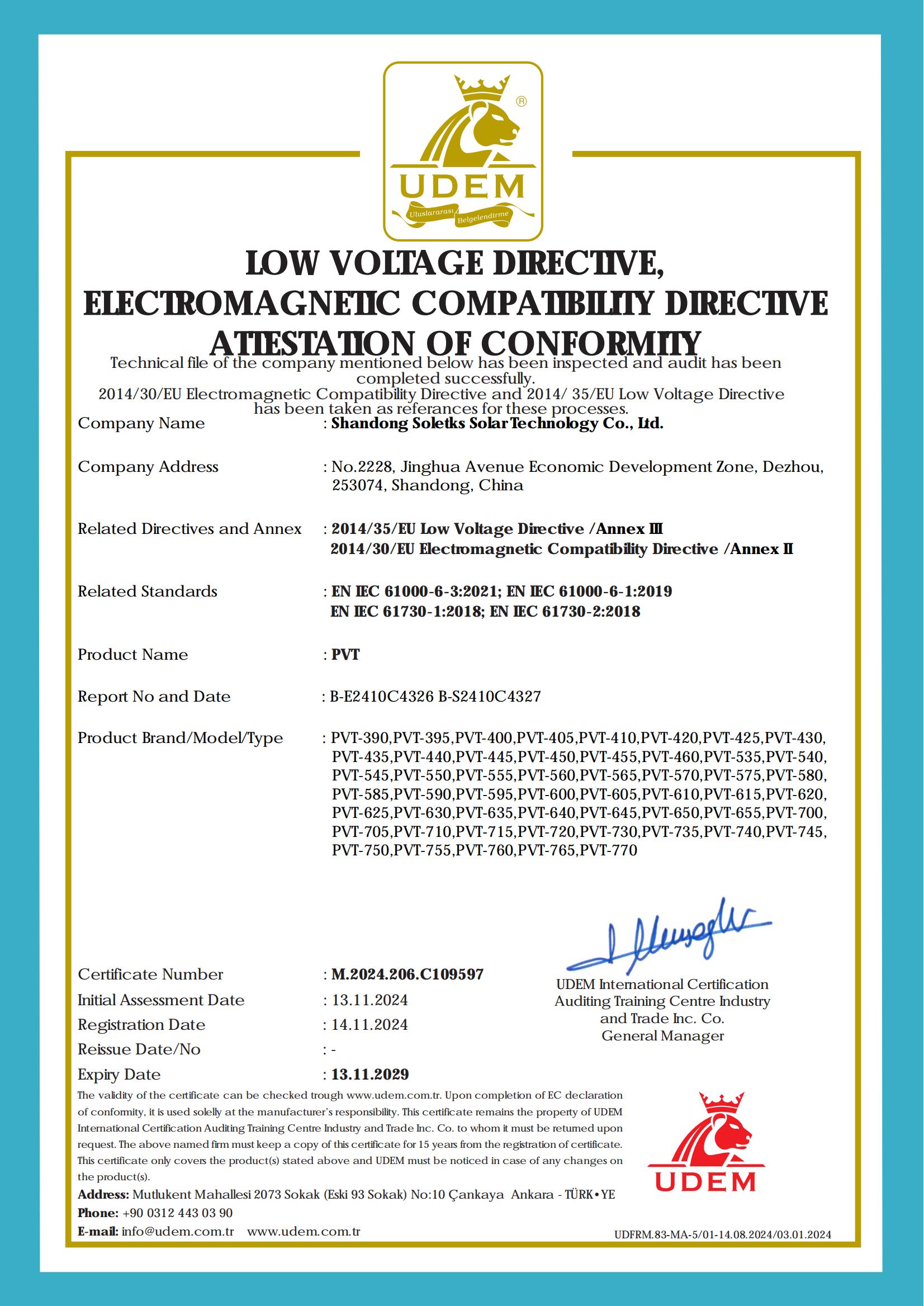
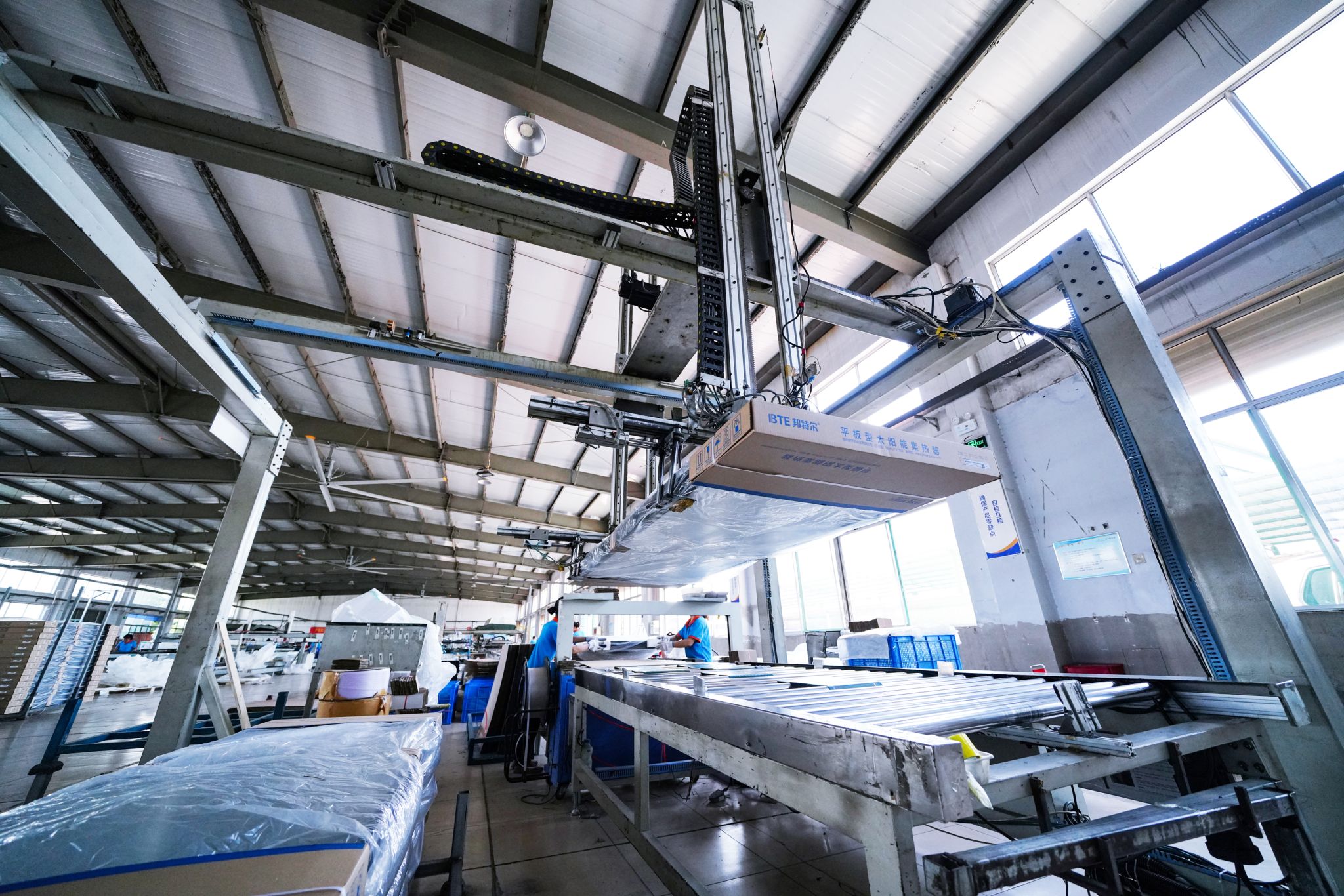
A custom product should have a document package before production approval. SOLETKS quality assurance materials describe procurement, design, manufacturing, integration, testing, delivery, and export packaging processes.
The document package prevents the most common custom-project failure: the buyer approves a price while the installer, warehouse, and commissioning team each assume a different interface.
Prototype, Production, and Lifecycle Matrix
Custom engineering should move through controlled stages because every design change has a cost, schedule, and maintenance effect. The final lead time depends on model, tooling, test scope, order volume, and shipping method.
| Stage | Typical planning interval | Output record | Lifecycle effect |
|---|---|---|---|
| Requirement freeze | 3-5 working days after complete RFQ | Load, drawing, standard, packaging scope | Prevents late rework |
| Engineering drawing | 5-10 working days for simple changes | GA drawing and interface drawing | Locks dimensions before sampling |
| Sample or pilot unit | 2-4 weeks when physical sample is required | Sample inspection and photo record | Reduces first-batch installation risk |
| Factory inspection | Before shipment; 1 record per batch | Visual, dimension, packing, label record | Creates baseline for warranty discussion |
| Installation feedback | Within 30 days after arrival | Site photos and issue log | Improves next batch or project phase |
| Lifecycle review | 12 months after commissioning for repeat projects | Maintenance and failure notes | Guides design life and TCO decisions |
Standards and Compliance Mapping
Compliance mapping should be done before custom production because changing a material, control panel, or pressure boundary affects documents. Request model-specific documents; management-system certificates do not replace product test reports.
| Standard or certificate | Custom-product relevance | Правило щодо запиту на пропозицію |
|---|---|---|
| ISO 9806:2017 | Solar thermal collector performance | Use for collector test-data basis. |
| ISO 9001 | Supplier quality management | Use for factory-process qualification. |
| ISO 14001 | Environmental management | Use where procurement scores factory systems. |
| ISO 45001 | Occupational health and safety management | Use for supplier-system qualification. |
| CE | EU conformity route | Use when the destination and scope require it. |
| UL 508A | Industrial control panel | Use when the supplied panel falls into UL panel scope. |
| ASME BPVC | Pressure vessels or governed pressure parts | Use for tanks, vessels, or heat exchangers under pressure rules. |
| EN 12975 | Legacy European collector context | Use only when the buyer requests legacy test references. |
Procurement Risks and Controls
Custom products need tighter procurement control because a small interface error becomes expensive after shipment. These controls reduce risk because the buyer, SOLETKS, freight forwarder, and installer all work from the same record.
- Freeze the drawing revision and write the revision code on the proforma invoice.
- Put model, quantity, color, dimensions, port direction, and packaging into the purchase document.
- Request a sample photo set or inspection photo set for custom visible parts.
- Require packing protection for glass, absorber plates, frame corners, and control components.
- Put destination standards and document language into the RFQ.
- Define whether the order is OEM, ODM, private label, or project-specific supply.
- State whether spare tubes, seals, sensors, or controllers ship with the first batch.
RFQ Inputs for SOLETKS
A custom engineered solar thermal RFQ should include load, interface, compliance, and delivery data. Send project data through the Сторінка контактів SOLETKS and ask for engineering support before changing the standard product.
Specification Checklist
The specification checklist should define the custom boundary so engineering and procurement do not drift apart. Attach this checklist to the RFQ and purchase order.
| Предмет | Minimum specification |
|---|---|
| Custom reason | The measurable constraint that standard product cannot solve |
| Product scope | Collector, tank, mounting, controls, packaging, or full system |
| Thermal target | kWh/day, L/day, temperature rise, or airflow/temperature target |
| Інтерфейс | Port direction, duct size, mounting hole, tank connection, wiring |
| Compliance | ISO 9806:2017, ISO 9001, CE, UL 508A, ASME BPVC, EN 12975 if required |
| Sample plan | Drawing approval, sample quantity, inspection record, approval owner |
| Production plan | Batch quantity, lead time, packing method, spare parts |
| Handover | Datasheet, drawings, installation guide, commissioning form |
Frequently Asked Questions
Is a custom engineered solar thermal product worth the added work?
Does OEM or ODM change the engineering process?
What information speeds up a custom quote?
Which standards matter most for custom solar thermal products?
Джерела
- SOLETKS solar collector products and commercial system pages: Продукти сонячних колекторів та Комерційна / промислова сонячна система гарячого водопостачання.
- Collector-area calculation is a screening method; final design should use local weather, selected model data, and project losses.
- SOLETKS quality assurance та contact pages.
- Custom timing ranges are planning values and should be confirmed in the final quotation.
- SOLETKS published Saga County centralized solar heating reference: 107,000 m2 heating coverage and 2,424 tons/year coal reduction.
Freeze the custom boundary before sampling
Send SOLETKS the product family, thermal target, drawings, interface dimensions, destination standards, quantity plan, branding requirement, packaging rules, and handover documents so the custom scope can move from RFQ to drawing to sample without drift.