
Pemanas Air Tenaga Surya Bertekanan vs Tanpa Tekanan untuk Distributor
Pressurized vs non-pressurized solar water heaters guide for distributors comparing market fit, tank sizing, warranty disputes, TCO, stocking, and RFQs.
Scope: this is a distributor portfolio, stocking and warranty-risk comparison between pressurized and non-pressurized product families. It does not repeat the hydraulic architecture comparison in the existing forced-circulation versus thermosiphon guide; instead, it maps buyer pressure expectations, roof load, water quality, spare parts, warranty boundaries and private-label RFQ data to the product decision.
SOLETKS supplies solar water heater product families for different plumbing and project requirements. This distributor guide helps buyers compare pressure-rated and gravity-fed configurations, verify exact tank and collector specifications, and plan OEM inquiries without assuming one universal pressure limit, material grade or regional market preference.
TL;DR — Jawaban Singkat
Pressurized versus non-pressurized solar water heaters is a potable-water pressure and equipment-rating choice, not automatically a choice between pumped and thermosiphon collector circulation.
Choose candidate products only after checking actual cold-water pressure range, delivery pressure expectations, building and roof load, potable-water quality, tank pressure class, climate, service capability and applicable local codes. A split system can have separate solar-loop and potable-water pressure ratings.
For distributors: ask for model-specific tank documentation, hydraulic diagrams and written supply scope. Explore SOLETKS solar water heater products before selecting an OEM range.
1. Distributor Answer: Specify the Pressure Boundary First
In a pressurized potable-water system, the hot-water tank, valves, fittings and associated components must be rated for the expected static and transient pressure, temperature and site configuration. A non-pressurized gravity-fed system uses a different hot-water delivery and venting arrangement. Neither label alone determines the type of collector or whether the collector loop uses a pump.
| Buyer input | Decision requirement |
|---|---|
| Inlet and delivery pressure | Measure minimum/maximum supply and transient pressure; check the entire rated water-side assembly |
| Hot-water comfort | Confirm simultaneous outlet demand, mixer compatibility and pressure/flow requirement |
| Pemasangan | Assess rooftop loaded weight, plant-room dimensions and service access |
| Weather and water quality | Check freeze risk, hardness, chloride and corrosion boundaries |
| Local standards | Identify actual market and project requirements; ask for applicable documents for each model |
Do not use a universal ≥1 bar cutoff to authorize pressurized hardware: the tank and all safety devices must be verified against the full site pressure profile and local installation code.
2. Regional Market Screening: Verify, Do Not Assume
National or regional demand for pressurized water heaters cannot be reliably inferred from geography alone. Municipal pressure, building type, water availability, customer comfort expectations, local installer skills, energy tariffs and regulatory requirements vary inside every market.
| Market situation | Questions before choosing a product portfolio | Possible product path |
|---|---|---|
| Urban pressurized plumbing | What are actual line pressures, flow, hot-water comfort and code requirements? | Evaluate model-rated pressurized storage and split/integrated configurations as appropriate |
| Gravity-fed or variable supply | Is delivery pressure acceptable? Are pumps or water-level controls present? | Evaluate suitable non-pressurized configurations or engineered pressure alternatives |
| Coastal / high-chloride site | Water analysis, atmospheric corrosion, maintenance and material compatibility? | Select verified tank/coating and hardware specification, not grade alone |
| Cold-weather installation | Freezing, fluid-loop protection, exposed pipework and backup capacity? | Evaluate system layout and approved protection, independent of water-pressure label |
| New distributor entry | Which model documents, installer training, spares and warranties are available? | Quote a limited, evidence-backed pilot assortment before stocking at scale |
The previous country-by-country “dominant preference” table was removed because verifiable market-share evidence was not available. Use customer interviews and local plumbing/installation data for India, Africa, Europe and other target markets.
3. Florida Resort Villa Reference: Separate Images from Verified Specifications
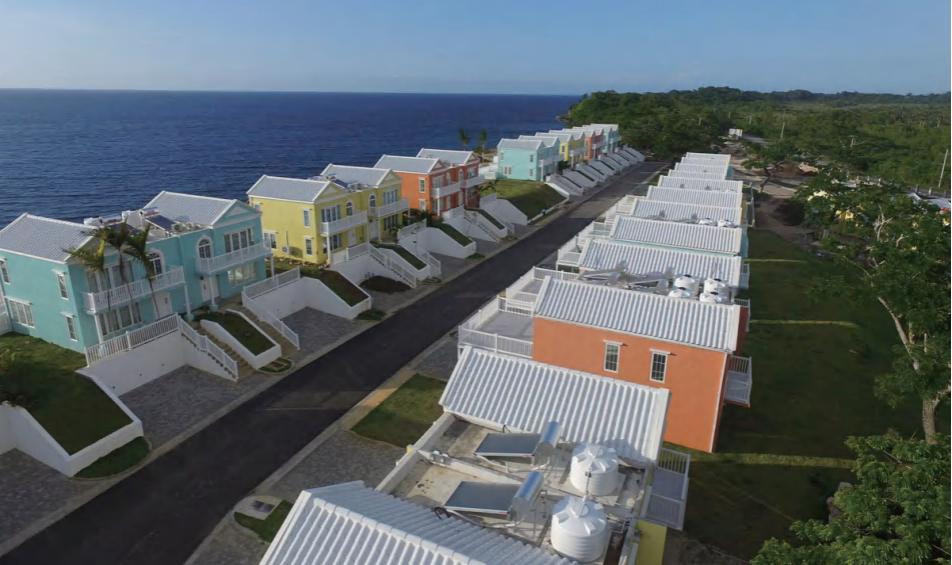
SOLETKS publishes a Florida resort-villa solar hot-water project reference. The available site photography supports that a project reference exists but does tidak independently verify the original article’s stated 200 L/day per villa, tank pressure class, collector configuration, legal code applicability, exact stainless-steel grade or installation date.
For a commercial tender, request the approved project equipment schedule, pressure-test documentation, potable-water material record and customer-authorized case study before quoting any of those values.
| Useful reference item | Verification requirement |
|---|---|
| Building and site | Project location, number of villas, design occupancy and verified load profile |
| Solar equipment | Collector and tank model numbers, pressure ratings and plumbing diagram |
| Performance | Measured inlet/outlet temperatures, energy and backup use over a defined period |
| Daya tahan | Documented corrosion protection and service history |
Until records are available, the project should be used only as a visual application reference—not proof that every market requires pressurized systems.
4. Five Common Warranty and Installation Risks
These are procurement risk categories, not statistically ranked SOLETKS warranty data.
- Delivery-pressure mismatch: customer expects mains-pressure showers from a gravity-fed model.
- Incorrect vessel or valve rating: pressure relief, expansion and thermal limits are not coordinated.
- Freeze or stagnation damage: exposure and heat-transfer fluid controls do not match site climate.
- Material and water-quality mismatch: chloride, scaling and corrosion boundaries have not been checked.
- Inadequate service preparation: installer instructions, spare parts and warranty exclusions were not included with the shipment.
A distributor should obtain installation manuals, model-rated diagrams, serviceable parts lists and written warranty terms before promoting either product family.
5. Tank Size and Roof Weight Calculation
For distributors, the first quick calculation is NOT collector count — it is daily water volume + wet roof weight.
Catatan sumber: screening example uses common residential hot-water assumptions and SOLETKS compact heater tank-class references.[2]
Contoh masukan
| Parameter | Nilai |
|---|---|
| Users | 4 people |
| Hot water allowance | 60 L/person/day |
| Daily hot water | 4 × 60 = 240 L/day |
| Candidate tank class | 200–300 L |
| Water weight factor | 1 kg/L |
Penggantian
Daily hot water = 4 × 60                  = 240 L/day
Water weight in 300 L tank = 300 × 1     = 300 kg
                                            (before tank shell, frame, tubes, wind load)
Rekomendasi: start a 4-person household around 200–300 L tank class. Then choose pressurized or non-pressurized by plumbing expectation, roof structure, backup heater, and service access.
Penting: a compact non-pressurized roof tank still needs structural review — water mass is real load. Total wet weight (tank + tubes + frame + water) for a 300 L compact unit can reach 400–500 kg concentrated on the roof.
Tank size by household size
| Household size | Recommended tank class | Daily HW (L/day) |
|---|---|---|
| 1–2 people | 100–150 L | 60–120 |
| 2–3 people | 150–200 L | 120–180 |
| 3–4 people | 200–300 L | 180–240 |
| 4–5 people | 300 L | 240–300 |
| 5–6 people | 300–400 L | 300–360 |
| Large family / villa | 400–500 L | 360–500 |
| Multi-unit (split system) | 500 L–1000 L | > 500 |
6. SOLETKS Split-System Tank: Model Documentation Required
SOLETKS presents split solar water-heater products and capacity options on its website. However, the previous blanket table assigning SUS304/SUS316L, a 7 bar working limit and a fixed BTE collector pairing to every 300–1000 L tank is not a verified product-family specification and has been removed.
| Konfigurasi | Documents to request for each quoted SKU |
|---|---|
| Tank model and capacity | Nominal and usable litres, dimensions, filled weight and drawing |
| Tank materials | Wetted surface grades, corrosion protection, chloride limits and insulation |
| Pressure ratings | Design/working/test pressure, rated components and relief requirements |
| Collector pairing | Named collector model, number of panels, tested curve and roof layout |
| Commercial conditions | Actual stocked variants, MOQ, spares, warranty, packing and shipping terms |
See Pemanas Air Tenaga Surya Plat Datar Terpisah and request its current manufacturer TDS. SUS316L may be relevant for some environments, but it is not a blanket guarantee of corrosion resistance or potable-water certification.
7. Product Scope: Pressure, Circulation and Tank Location Are Different Questions
| Design axis | Possible choices | Procurement check |
|---|---|---|
| Potable-water delivery | Pressurized or non-pressurized | Water-side pressure rating and user plumbing expectation |
| Collector-loop circulation | Natural circulation or pump-driven | Hydraulic layout, pump/control and freeze method |
| Tank placement | Integrated roof assembly, separate tank, engineered storage | Structural loads, piping and installation feasibility |
| Water heating architecture | Direct or indirect via heat exchanger | Water quality and thermal-fluid separation |
| Backup and safety | Boiler, electric, heat pump or other rated auxiliary | Full system safety, temperature and recovery specification |
For circulation architecture, read Forced Circulation vs Thermosiphon; this article focuses on water-pressure and distributor product selection.
8. Distributor Selection Decision Tree
- Document the market segment, customer building type and actual supply-pressure range.
- Identify local potable-water, pressure-equipment, electrical and solar installation requirements.
- Check available roof structure, installation access and whether the system requires indoor or rooftop storage.
- Compare candidate manufacturers’ specific pressurized or gravity-fed tank models and verified safety devices.
- Specify approved collector circuit, water chemistry, freezing protection and backup configuration.
- Compare first installed cost, replacement parts, service capability, product warranties and accurate model documents.
- Only then decide stock quantities and OEM packaging for an initial distributor order.
The old blanket ≥1 bar cutoff and country-automatic product selection are not suitable as final engineering rules.
9. Climate and Water Quality
Weather exposure and potable-water chemistry require independent assessment for both pressurized and non-pressurized water heaters. A pressure-rated tank is not automatically freeze-safe, nor does a low-pressure tank eliminate scaling and corrosion risk.
- Freeze: document design winter temperature, exposed pipework, collector loop fluid and power-failure behavior.
- Chlorides: verify measured water chemistry and component grades, crevice conditions, temperature and manufacturer limits.
- Hard water: specify scale control and service access based on water analysis.
- Pressure transients: coordinate water-pressure regulator, expansion device and relief protection if applicable.
- Roof safety: loaded tank/collector weight plus structural, wind and snow requirements need local engineering verification.
10. Lifecycle and Service Matrix
A distributor should build service rules before the first container order. The lowest purchase price is NOT the lowest business cost when the product creates repeated installation disputes.
| Service item | Pressurized interval | Non-pressurized interval | Distributor stock rule |
|---|---|---|---|
| Relief valve + expansion check | 12 bulan[2] | N/A in same form | Stock rated valves by pressure class |
| Tank + insulation inspection | 12 bulan | 12 bulan | Sensor, thermostat, insulation parts |
| Tube / collector inspection | 12 bulan | 12 bulan | 2–5% spare tubes for first batch |
| Water quality check | 6–12 bulan | 6–12 bulan | Descaling guidance + seals |
| Roof frame + fastener check | 12 bulan | 12 bulan | Brackets + corrosion-resistant hardware |
| Customer pressure expectation review | Before sale | Before sale | Signed installation checklist |
10-year TCO distributor exposure
| Item | Bertekanan | Non-pressurized |
|---|---|---|
| Safety / pressure service events | 10 annual valve + expansion checks | 0–2 + more customer education |
| Spare-part SKU groups | 6–8 (valves, sensors, pumps, vessels, tanks, fittings) | 4–6 (tubes, seals, frames, level parts, tanks) |
| Training before launch | 2 installer sessions | 1 + customer-use script |
| Common warranty disputes | High when pressure class mismatched | High when buyer expected pressurized delivery |
11. OEM / Private Label Procurement
SOLETKS OEM product configurations and branding terms should be confirmed from a model-specific commercial proposal, rather than assuming every tank family supports every material, branding option or discount.
| RFQ element | Information to confirm |
|---|---|
| Model family | Integrated / split, pressure rating, circulation type, collector and tank models |
| Brand customization | Logo artwork, labeling, product documentation, language and packing proofs |
| Certification scope | Copy of model-specific, market-relevant certificate or test report if available |
| Spare parts | Itemized replacement parts list and installer service guidance |
| Commercial terms | MOQ, unit price by actual quantity, Incoterms, lead times and acceptance testing |
| Garansi | Written term, covered components, installation exclusions and claim process |
12. Distributor Stocking Strategy
Build a pilot range from verified local demand and installer feedback. Start with a small, relevant selection of models and spares rather than treating a fixed first 20–50 installations as a scientifically established rule.
- Identify plumbing-pressure and temperature requirements from actual customer profiles.
- Request only models with matching TDS, test evidence and service instructions.
- Stock critical seals, valves, sensors, tube/collector parts and mounts according to the selected SKU.
- Train installers on pressure relief, potable water, corrosion, freeze protection and commissioning boundaries.
- Track actual warranty claims and installation problems by product model before expanding the range.
13. Standards and Documentation
| Standard / scheme | Correct procurement interpretation |
|---|---|
| ISO 9806:2025 | Current international methods for solar thermal collector tests. It replaced the 2017 edition; existing test reports must still state the edition actually used. |
| Solar Keymark | Voluntary third-party solar thermal certification, not uniformly compulsory for all EU sales. It may be required by specific incentives or tenders. |
| ASME BPVC | Applies according to the specific pressure vessel, design and jurisdiction—not automatically every North American solar tank. |
| NSF/ANSI/CAN 61 | Relevant to specified drinking-water contact products/components and project requirements, not general evidence that a stainless grade is approved. |
| IEC / control-panel / management standards | Check exact component, market and certificate scope; do not infer from company-level documents alone. |
Certification evidence rule: ask SOLETKS to provide the current certificate, covered legal entity, product model, standard edition and validity. Statements claiming blanket Solar Keymark, CE, TÜV, UL, IEC or ISO certification have been removed where model evidence was not available.
14. RFQ Inputs for SOLETKS
Ajukan permintaan dukungan teknis melalui Halaman Kontak SOLETKS when selecting a distributor range or comparing pressurized + non-pressurized models.
Market
- Target country + customer segment + expected price band
- Water supply pressure range + pumps common Y/N
- Local code requirements (pressure rating, potable contact)
Produk
- Typical household size + desired tank class
- Pressurized split / pressurized compact / non-pressurized
- Material preference: SUS304 / SUS316L
Site
- Roof type + roof load limits + wind + snow zone + access route
- Cold water temperature + target water temperature + backup heater plan
- Water quality: hardness, chlorides, scaling history
Compliance
- Required certificates + manuals + labels + packaging + warranty terms + spare parts
Order plan
- First order: sample batch / 20–50 installation target / full container
15. Distributor Checklist
| Item | Required answer |
|---|---|
| Main market | premium, villa, rural, apartment, hotel, reseller |
| Product type | pressurized split / pressurized compact / non-pressurized |
| Tank size | 150 L / 200 L / 300 L / 500 L / 800 L / 1000 L |
| Pressure class | tank + valve + pump + expansion vessel + installation rule |
| Bahan | SUS304 / SUS316L (coastal + chloride sites) |
| Beban atap | wet weight + wind load + snow load + frame anchoring |
| Spare parts | tubes + seals + valves + sensors + controllers + brackets |
| Warranty boundary | water pressure + water quality + installation + freeze damage |
| Installation checklist | signed by installer + buyer before commissioning |
Pertanyaan yang Sering Diajukan
Which solar water heater should a distributor sell: pressurized or non-pressurized?
Choose by actual plumbing pressure, customer expectations, building suitability, manufacturer-rated configuration, local code and after-sales capabilities—not country or price alone.
Does one bar of supply pressure mean a pressurized system is required?
No universal cutoff authorizes a system. Verify full supply-pressure conditions and the actual vessel/valve ratings.
Does pressurized always mean forced circulation or a split tank?
No. Potable-water pressure class, collector-loop circulation and tank location are independent design dimensions.
Is Solar Keymark mandatory throughout the EU?
No. Solar Keymark is a voluntary certification scheme, although certain projects or national subsidy programs can require it.
What documents should I request before an OEM order?
Current model datasheet, actual pressure/water-contact reports, hydraulic diagram, packaging, spare-parts plan, quantity quotation and market-specific compliance details.
Sources and Product Documentation
SOLETKS products: Solar Water Heater range, Pemanas Air Surya Terintegrasi, Pemanas Air Tenaga Surya Plat Datar Terpisah.
International Organization for Standardization, ISO 9806:2025 (collector test methods).
Solar Keymark Network, What is Solar Keymark? (voluntary certification).
ASME, Boiler and Pressure Vessel Code (scope-specific pressure rules).
Project-specific product pressure, materials and certifications require current TDS and written manufacturer documentation; illustrative regional statements are not measured market data.
Butuh Tinjauan Teknik Khusus untuk Proyek Tertentu?
Kirimkan informasi mengenai kondisi iklim lokasi, beban harian, batasan atap atau ruang mesin, cakupan produk, serta persyaratan dokumentasi yang diinginkan kepada SOLETKS agar tim teknik dapat memberikan rekomendasi komersial yang praktis.
Request OEM Options on WhatsApp ↗