
An evacuated tube solar collector uses glass vacuum tubes to capture solar heat while reducing heat loss to surrounding air. The vacuum layer acts as insulation, making this collector type useful for solar water heating in cold, windy, or variable climates, and for systems that need higher water temperature than low-temperature pool heating.
What Is an Evacuated Tube Solar Collector?
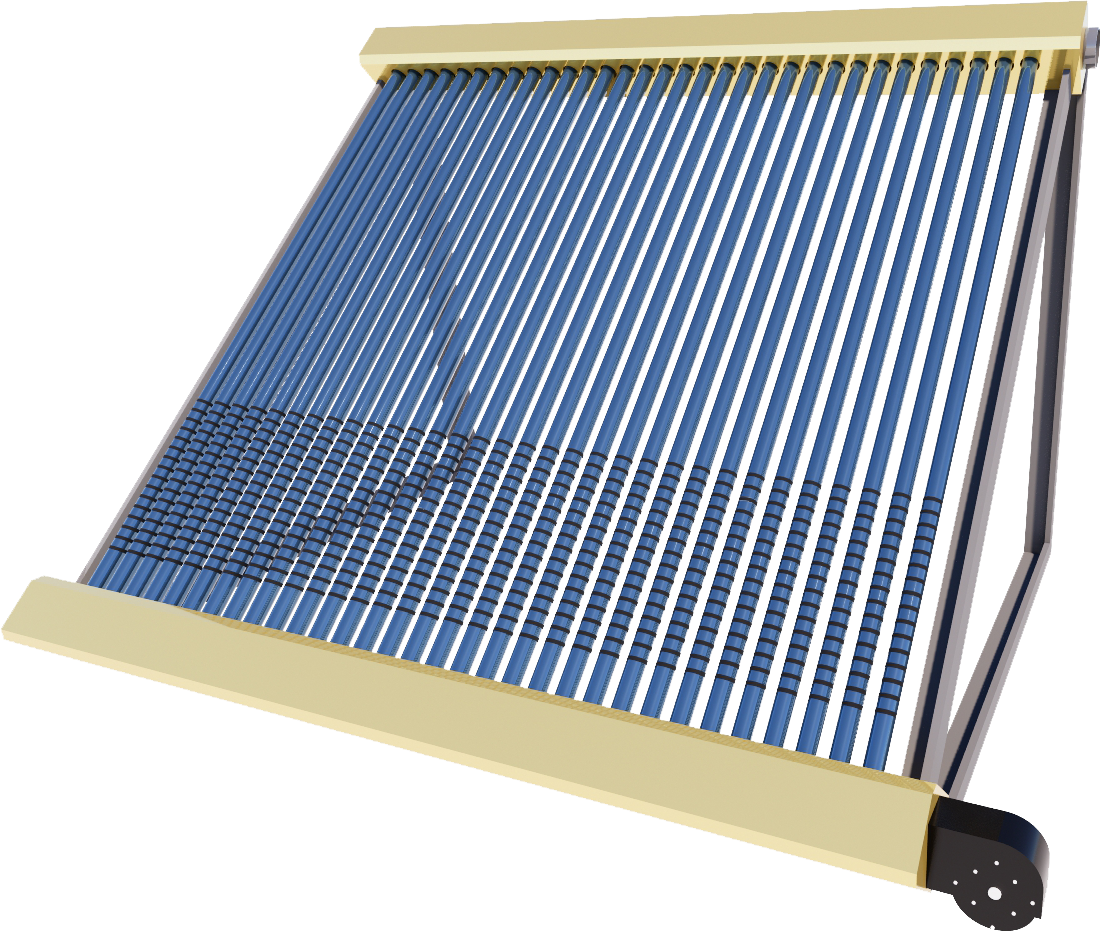
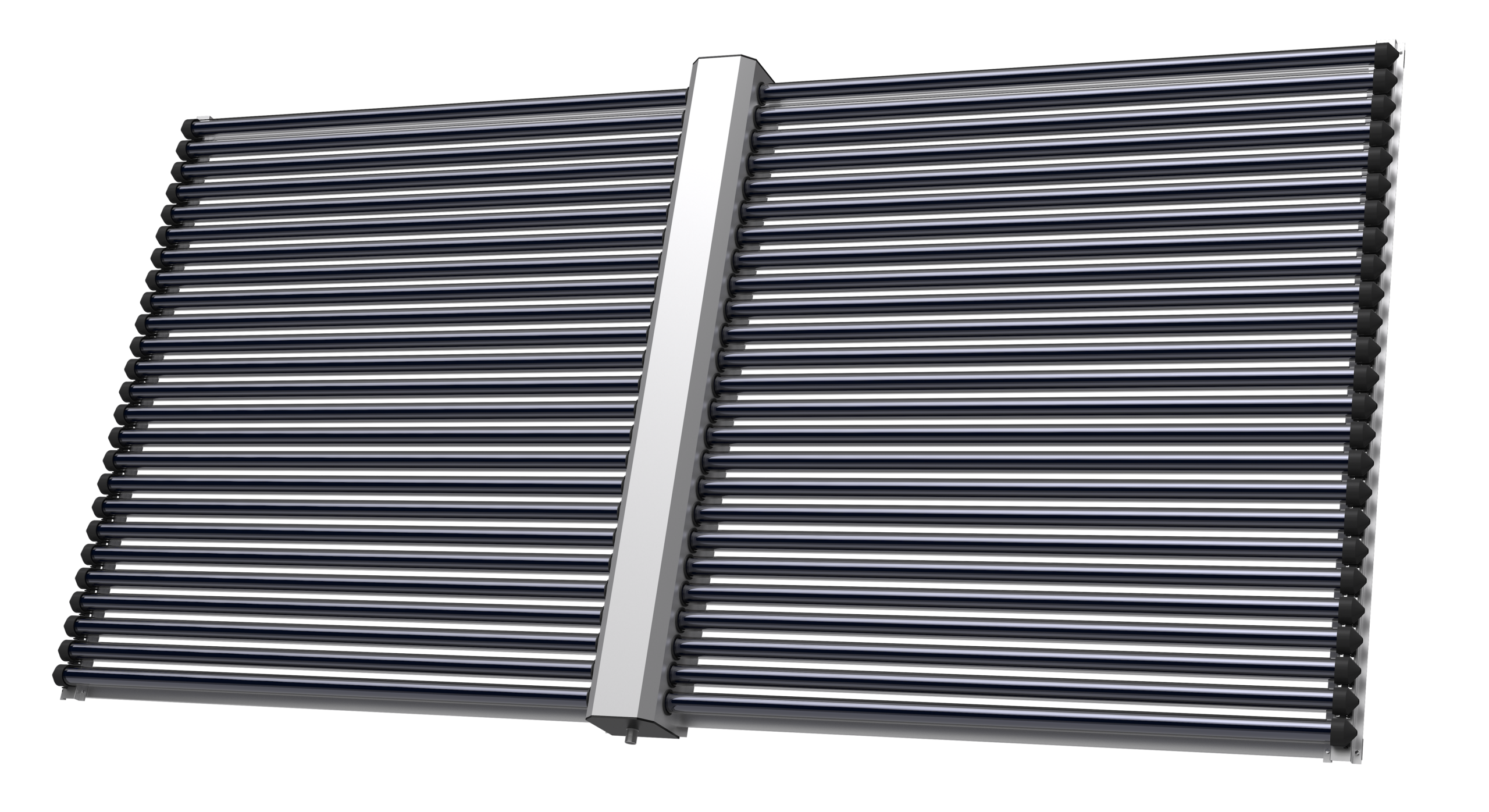
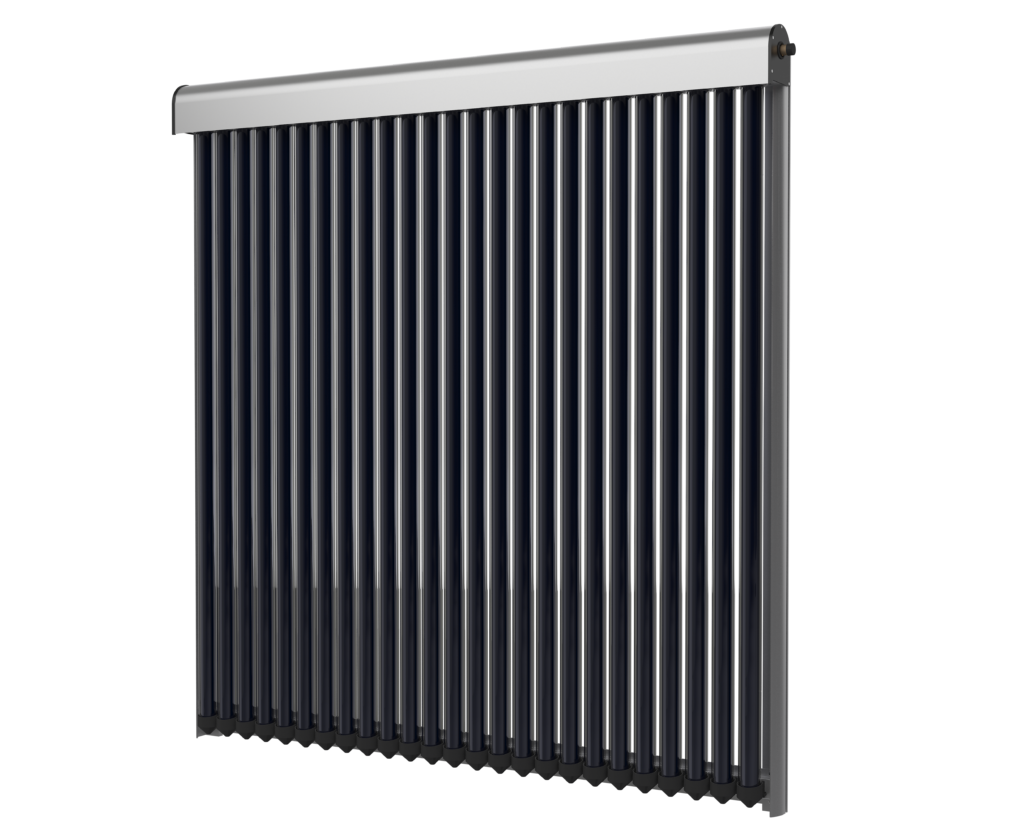
An evacuated tube solar collector is a solar thermal collector made of multiple glass tubes. Each tube contains an absorber surface that captures solar radiation. Air is removed from the space between glass layers to create a vacuum, which greatly reduces convective heat loss.
This design differs from a flat plate solar collector, which uses an insulated box and a flat absorber plate. Evacuated tubes use vacuum insulation around each absorber, helping performance when the collector is hot and the outdoor air is cold.
Why Vacuum Insulation Matters
Heat naturally moves from hot surfaces to colder surroundings. A solar collector loses heat through:
- Conduction through materials and connections
- Convection from hot surfaces to moving air
- Radiation from the absorber surface
- Wind effects around the collector
- Pipe and manifold losses outside the tubes
The vacuum layer in an evacuated tube reduces conduction and convection losses. More absorbed heat remains useful, especially when collector temperature is much higher than ambient temperature.
Best-fit conditions
- Cold climates and windy rooftops
- Higher hot water temperature requirements
- Commercial hot water projects with year-round demand
- Solar-assisted heat pump or preheating systems
How an Evacuated Tube Collector Works
The collector is only one part of the complete system. Overall performance also depends on storage tank size, pump flow, controller settings, pipe insulation, heat exchanger design, and backup heating.
Main Evacuated Tube Designs
Heat Pipe Evacuated Tube Collector
A sealed heat pipe transfers heat from the tube to the manifold through evaporation and condensation.
- Good heat transfer
- Tube-level service may be easier
- Installation angle and heat pipe quality matter
U-Pipe Evacuated Tube Collector
Fluid circulates through a U-shaped pipe inside the tube, transferring heat directly from absorber to fluid.
- Suitable for closed-loop systems
- Works with antifreeze loops
- Hydraulic design and service access matter
Direct Flow Evacuated Tube Collector
Fluid circulates through the collector path more directly and must be designed carefully for pressure and scaling.
- Can be effective in the right system
- Freeze protection must be checked
- Water quality strongly affects maintenance
Choose by Project Conditions
The best tube design depends on climate, target temperature, pressure, service plan, and loop type.
- Do not select by tube count only
- Ask for tested collector data
- Confirm spare tube availability
Efficiency: What Buyers Should Understand
Solar collector efficiency is not one fixed number. It changes with:
- Solar radiation intensity
- Ambient temperature and wind conditions
- Collector operating temperature
- Flow rate and heat transfer fluid
- Installation angle and shading
- Cleanliness of glass tubes
- Tank temperature and controller logic
For technical comparison, collectors are often described by an efficiency curve. A simplified concept is:
Efficiency = optical efficiency - heat loss terms
As the temperature difference between collector and outdoor air increases, heat loss becomes more important. Evacuated tube collectors are designed to reduce this heat loss. For commercial projects, request tested performance data under recognized solar thermal collector test methods.
Evacuated Tube vs Flat Plate Collector
| cURL Too many subrequests. | Evacuated Tube Collector | Flatplate-kollektor |
|---|---|---|
| Insulation method | Vacuum around tubes | Insulated collector box |
| Cold weather performance | Often stronger | Good in mild and warm climates |
| Heat loss at higher temperature | Lower in many conditions | Higher when temperature difference is large |
| Appearance | Tube array | Flat panel |
| Maintenance | Tube-level service may be possible | Panel-level service |
| Best use | Higher temperature, colder climates, commercial hot water | Moderate temperature, warm climates, pool heating |
Both technologies are valid. The best choice depends on project conditions rather than a universal ranking.
Søknader
SOLETK evacuated tube solar collectors can support hot water and thermal preheating projects such as:
- Residential solar water heating
- Hotel and apartment centralized hot water
- School and dormitory shower systems
- Hospital hot water with proper backup and hygiene control
- Factory washing, cleaning, staff showers, or process preheating
- Swimming pool heating where climate and budget justify the collector type
- Solar-assisted heat pump systems and preheating loops
For projects that need both heat and electricity from limited roof area, compare evacuated tube collectors with PVT hybrid solar systems.
Design Factors for Commercial Systems
| Design factor | Why it matters | What to confirm |
|---|---|---|
| Daily heat load | Collector area should be based on useful heat demand, not roof space only. | kWh/day or hot water volume and temperature rise |
| Required temperature | Higher temperature raises heat loss and affects collector choice. | Cold water temperature and target outlet temperature |
| Storage tank volume | Too little storage wastes solar heat; too much may lower delivered temperature. | Daily usage schedule and peak demand |
| cURL Too many subrequests. | Flow affects heat transfer, pump choice, and collector operating temperature. | Recommended flow range and pressure drop |
| Freeze protection | Cold climates require proper protection to avoid pipe or collector damage. | Antifreeze loop, heat exchanger, drainback, insulation, or control mode |
| Overheating protection | Unused summer heat can cause high stagnation temperatures. | Control logic, heat dumping, load management, or larger storage |
| Water quality | Hard water can cause scaling and reduce heat transfer. | Closed-loop design, heat exchanger, or water treatment |
| Maintenance access | Tube replacement and manifold inspection need safe access. | Roof layout, walkway, spare tube plan, and service schedule |
Common Mistakes
Selecting by Tube Count Only
Tube count is not enough. Tube diameter, length, absorber coating, manifold design, flow rate, and tested efficiency all matter.
Ignoring Tank Design
A good collector cannot perform well if the tank is too small, poorly insulated, or badly controlled.
Using Weak Freeze Protection
Cold climate systems need proper freeze design. A single freezing event can damage piping or collectors.
Comparing Claims Without Test Conditions
Efficiency claims must be compared under the same conditions. Ask for tested data, not only marketing numbers.
Maintenance and Service
Regular maintenance may include:
- Visual inspection of tubes and manifold
- Checking for broken or damaged glass
- Inspecting manifold and pipe insulation
- Checking pressure and safety valves
- Inspecting pump operation and controller sensors
- Monitoring heat transfer fluid condition
- Cleaning glass where dust or deposits reduce performance
- Confirming spare tube availability for future service
Commercial systems should have a maintenance schedule because hot water reliability affects daily operations.
Buyer Checklist
Before ordering an evacuated tube solar collector, confirm:
- Tube type: heat pipe, U-pipe, or direct flow
- Tube diameter and length
- Collector aperture area and gross area
- Tested thermal performance
- Maximum operating pressure
- Recommended flow rate
- Manifold material and insulation
- Freeze protection method
- Stagnasjonstemperatur
- Wind and snow load suitability
- Mounting frame material
- Warranty terms and spare tube availability
- Compatibility with storage tank, controller, and heat exchanger
Why Choose SOLETK Evacuated Tube Solar Collectors?
SOLETK provides solar water heaters, solar collectors, evacuated tube collectors, flat plate collectors, and hybrid solar systems. This allows the project solution to be selected according to real demand rather than a single product category.
SOLETK evacuated tube collectors can support:
- Residential hot water
- Commercial hot water
- Hotel and apartment projects
- School and hospital systems
- Factory preheating
- Solar-assisted heat pump systems
- OEM and project supply
Frequently Asked Questions
Need an Evacuated Tube Collector Configuration?
Send SOLETK your project location, daily hot water demand, required temperature, roof area, climate conditions, and preferred system type. We can recommend a suitable evacuated tube collector configuration for residential, commercial, or industrial solar hot water projects.
Request a Project Quote View Collectors