
โดย ทีมวิศวกรรม SOLETKS, the solar thermal installation group that prepares project documentation for commercial hot-water, collector-field, and hybrid heating projects.
A commercial solar thermal water installation should be accepted only after roof load, collector layout, pipe routing, insulation, pump station, expansion tank, safety valves, controls, backup heat, commissioning records, and maintenance access are documented together.
The collector is only one part of the installation. The installed system must move heat safely from the roof or ground array to storage and then to users without freeze damage, overheating, leaks, or uncontrolled backup energy use. Use SOLETKS’ ระบบน้ำร้อนพลังงานแสงอาทิตย์สำหรับเชิงพาณิชย์ / อุตสาหกรรม page for engineered building applications, and use ผลิตภัณฑ์ตัวเก็บความร้อนแสงอาทิตย์ when comparing collector families for the installed scope.
Installation Acceptance Answer
Installation acceptance should prove that the collector field, storage plant, controls, and backup heater match the design basis. A clean installation is not just neat piping. It is a system that holds pressure, drains or protects against freezing, moves the required flow, limits stagnation risk, and delivers hot water at the required temperature.
Poor installation causes low output because pump flow, pipe insulation, air removal, or sensor location is wrong even when the collector itself is well made.
Roof Load and Plant-Room Calculation
Installation planning should calculate the wet mass before the contractor lifts equipment or positions tanks. This worked example uses project screening values; final structural approval belongs to the project engineer and local code.
ตัวอย่างข้อมูลที่ป้อนเข้า
- Collector field area: 80 m2
- Collector and rail dead load: 22 kg/m2
- Piping and fittings allowance: 4 kg/m2
- Ballast allowance: 12 kg/m2
- Storage tank water volume: 5,000 ลิตร
- Tank shell/accessories: 650 kg
Installed collector load
80 x (22 + 4 + 12)3,040 kgTank water mass
5,000 L x 1 kg/L5,000 kgPlant-room load
5,000 + 6505,650 kgProcurement decision
send before lifting equipmentreview firstPre-Installation Site Checklist
The pre-installation stage should remove layout conflicts before equipment arrives. Late pipe-route changes add elbows and length, which increases pressure drop. Higher pressure drop reduces pump flow, and low flow leads to hot collectors with weak heat delivery.
Roof structure
Structural note includes installed kg/m2 and total kg for the collector field.
Orientation and shading
Roof plan marks obstructions that shade the array for 2+ hours.
Pipe route
Supply and return routing drawings include outdoor insulation and roof penetrations.
Mechanical room
Door path fits tank diameter plus handling allowance and service clearance.
Drain and fill
Valve locations are shown at low points and pump-station service zone.
เครื่องทำความร้อนสำรอง
Connection point and control sequence define solar-preheat priority.
Collector Field and Piping Rules
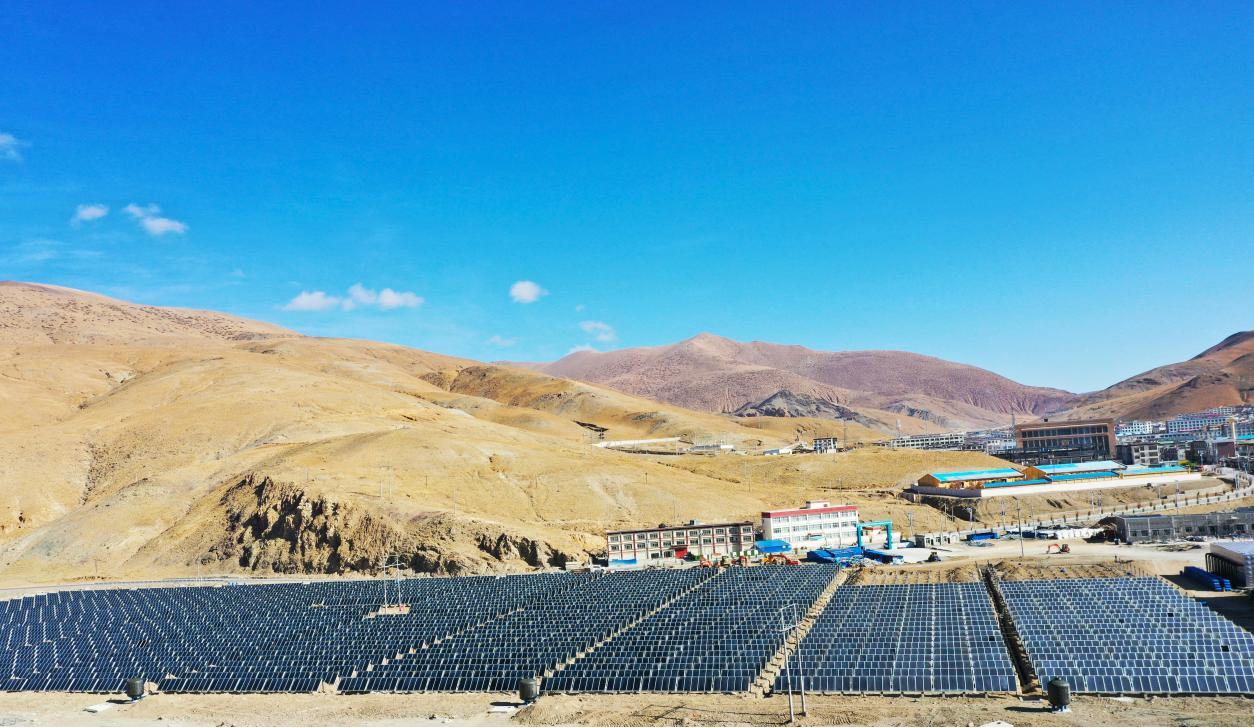
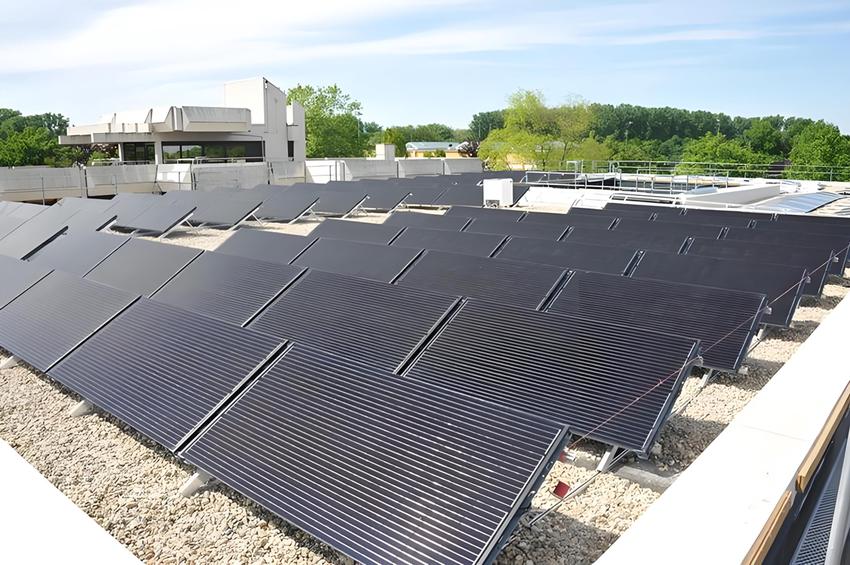
Collector-field installation should keep rows balanced, accessible, and protected from thermal expansion. Set row spacing from shading, tilt, and service access. Keep isolation valves in accessible positions, not hidden under arrays. Use expansion allowances on long metal pipe runs because solar pipes cycle between cold start and high operating temperatures.
For split flat-plate systems, SOLETKS lists a BTE2.0-2 collector with 2 m2 overall area, 1.87 m2 aperture area, 2000 x 1000 x 80 mm dimensions, and 0.6 bar rated working pressure on its flat-plate split product page. Those values help layout thinking, but installation must use the exact model drawing and frame kit supplied.

Pump Station, Expansion Tank, and Safety Devices
The pump station and expansion tank protect the system during daily heat cycles and stagnation events. Pressure settings and relief-valve values must follow supplied components and local code.
| ส่วนประกอบ | Installation record | Numeric control point |
|---|---|---|
| Circulation pump | Model, voltage, flow direction, speed setting | Log flow or temperature delta at commissioning |
| cURL Too many subrequests. | Volume, pre-charge, connection point | Record pre-charge before filling |
| Relief valve | Set pressure and discharge route | Pipe discharge to a safe visible location |
| Air separator | Location and service method | Place near high-temperature loop where air release is effective |
| Fill and drain valves | Hose connection and isolation valves | Allow full loop filling and service flushing |
| Sensors | Collector, tank top, tank bottom, return line | Record at least 4 sensor positions |
Commissioning Test Record
Commissioning should create a baseline for future maintenance comparison. SOLETKS quality materials reference inspection, testing, and delivery processes; field commissioning records should be kept with the installed system.
Thermal readings
Collector supply/return and tank top/bottom temperatures.
Pressure readings
Loop pressure when cold and during operation, plus expansion tank pre-charge.
Control settings
Pump status, controller mode, sensor labels, and backup heater enable temperature.
Safety records
Relief valve rating, discharge route, disconnect location, and anti-scald method.
Photo evidence
Roof penetrations, insulation, valves, collector rows, and mechanical-room access.
As-built drawings
Hydraulic schematic, wiring diagram, collector layout, pipe route, and final tank position.
Lifecycle and Maintenance Matrix
Installation quality should be audited over the first year because hidden defects show up after thermal cycling. The first 1 month inspection matters because roof penetrations, clamps, and insulation joints settle after weather exposure. The 6 month inspection catches seasonal effects that sunny-day commissioning does not show.
| รายการ | First inspection | Ongoing interval | Lifecycle planning value |
|---|---|---|---|
| Pipe insulation and cladding | 1 month after startup | 6 เดือน | 5-10 years replacement planning |
| Collector fasteners | 1 month after startup | 6 เดือน | 15+ years with maintained frame |
| Pump station | 3 months after startup | 12 เดือน | 5-8 years pump planning |
| Heat-transfer fluid | 6 months sample | 12 เดือน | 3-5 years fluid planning |
| Control sensors | 3 months comparison | 6 เดือน | 3-5 years sensor planning |
| Storage tank and valves | 6 months lookover | 12 เดือน | 10-15 years tank planning |
Standards and Safety Documentation
Standards should be mapped to the installed scope so the buyer knows which rule applies to collectors, controls, pressure equipment, and worker safety. Request model-specific documents and local engineer sign-off where required.
| Standard or certificate | Installation relevance | กฎการขอเสนอราคา (RFQ) |
|---|---|---|
| OSHA fall protection | Roof work and worker safety in U.S. projects | Include fall-protection method in the site plan. |
| ISO 9806:2017 | Solar collector test basis | Request collector model data if performance is quoted. |
| UL 508A | Industrial control panel | Use it where the control panel must meet UL scope. |
| ASME BPVC | Pressure vessels, boilers, or governed tanks | Use it when pressure-equipment rules apply. |
| NSF/ANSI 61 | วัสดุที่สัมผัสกับน้ำดื่ม | Use it where local potable-water approval requires it. |
| ISO 9001 | Supplier quality management | Use it for factory-process qualification. |
| ISO 45001 | Occupational health and safety management | Use it for supplier-system qualification. |
ข้อมูลสำหรับคำขอเสนอราคา (RFQ) ของ SOLETKS
An installation RFQ should include drawings and site constraints, not only equipment names. SOLETKS offers project sizing support and contact channels for commercial solar thermal projects.
Send project drawings through the หน้าติดต่อ SOLETKS and request engineering support for collector layout, tank placement, pump station direction, and commissioning records.
รายการตรวจสอบข้อกำหนด
The installation specification checklist should become part of the purchase and handover documents. Attach this section to the quotation so the installer and buyer accept the same scope.
| รายการ | Minimum specification |
|---|---|
| Collector field | Model, quantity, tilt, orientation, mounting method |
| โครงสร้าง | Installed kg/m2, total kg, wind/snow design note |
| Piping | Diameter, insulation, expansion control, support spacing |
| พื้นที่เก็บข้อมูล | Tank volume, pressure class, insulation, access route |
| Pump station | Pump model, flow target, valves, air separator |
| ความปลอดภัย | Relief valve, expansion tank, disconnect, anti-scald method |
| Controls | Sensor list, setpoints, backup priority, freeze mode |
| Commissioning | Pressure test, temperature log, photo record, as-built drawings |
Frequently Asked Questions
Is a roof survey required before commercial solar thermal installation?
What commissioning records should the owner keep?
Does installation quality affect solar hot-water output?
Which standards belong in an installation RFQ?
แหล่งข้อมูล
- SOLETKS commercial hot-water system page: ระบบน้ำร้อนพลังงานแสงอาทิตย์สำหรับเชิงพาณิชย์ / อุตสาหกรรม.
- Structural, electrical, and pressure values must follow local code and project engineer approval.
- SOLETKS solar collector product category: ผลิตภัณฑ์ตัวเก็บความร้อนแสงอาทิตย์.
- SOLETKS flat-plate split solar water heater page: เครื่องทำน้ำร้อนพลังงานแสงอาทิตย์แบบแผ่นเรียบแยกส่วน.
- โซเลทกส์ quality assurance และ contact pages.
Turn installation acceptance into a document package
Send SOLETKS the roof plan, mechanical-room plan, pipe route, daily load, backup interface, and required standards so the quotation includes collector layout, hydraulic schematic, wiring diagram, and commissioning form.